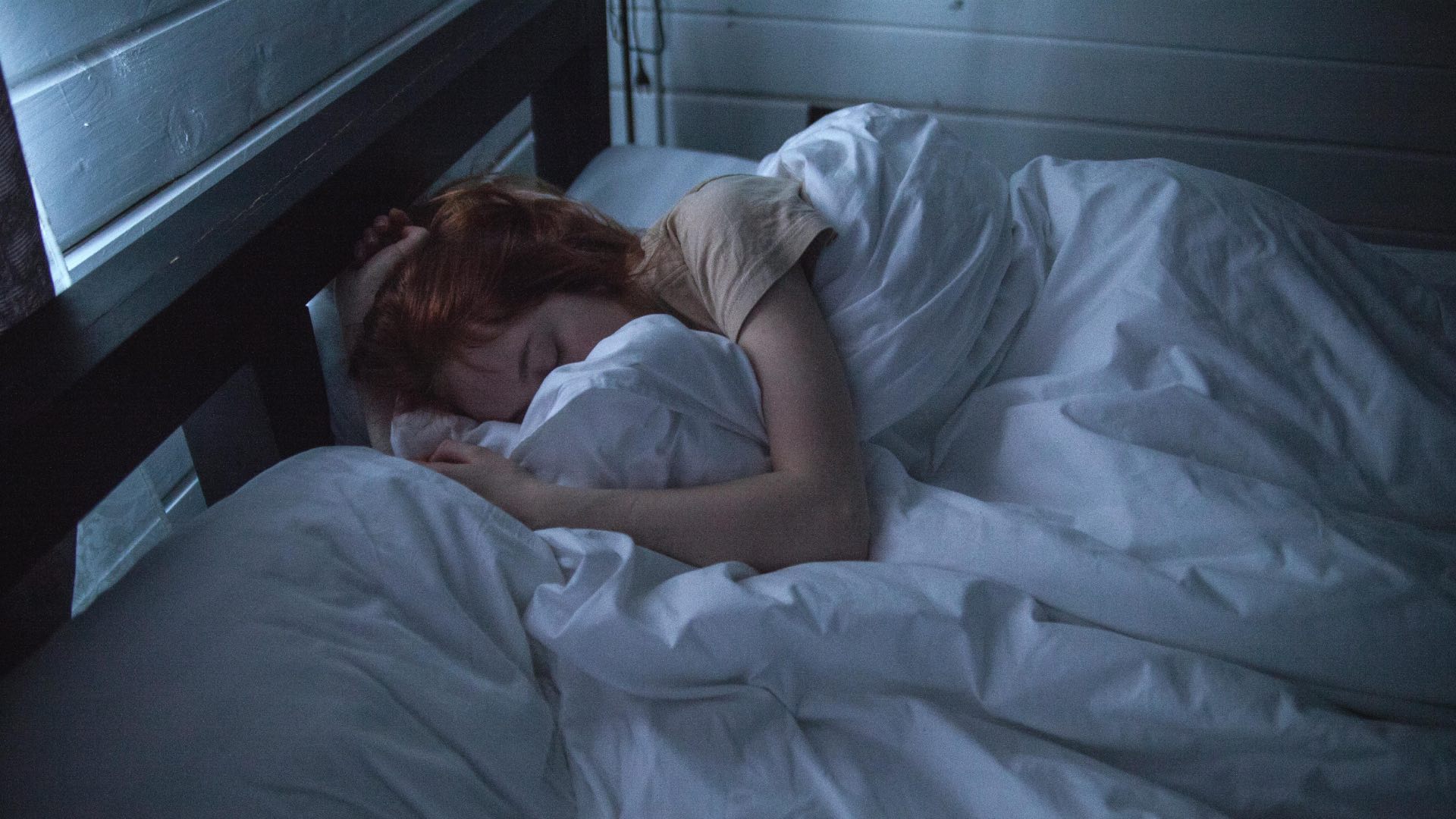
Occasional night sweats are common, but when these episodes become frequent or disrupt sleep, they warrant medical attention. Night sweats can be a sign of an underlying disorder that should not be ignored.
What is a night sweat?
Night sweats are excessive perspiration during sleep, often intense enough to soak clothing or bedding. They differ from simple night sweats because they occur even in a room at a comfortable temperature and can wake the person several times a night.
Various causes: from benign to more serious
Several mechanisms can explain these episodes:
- Hormonal fluctuations, particularly during menopause, the postpartum period, or in cases of thyroid disorders.
- Certain infections, such as tuberculosis, HIV, or persistent viral infections.
- Pharmaceutical treatments, including antidepressants, antidiabetics or corticosteroids.
- Metabolic disorders such as hypoglycemia, especially in diabetics treated with insulin.
- Hematological diseases (lymphomas, leukemias) where night sweats are often accompanied by fever and weight loss.
When should you consult a doctor?
A consultation is necessary if night sweats are frequent, profuse, or associated with other symptoms such as fever, weight loss, swollen lymph nodes, or persistent fatigue. The doctor can then refer you for appropriate tests: blood tests, imaging, or hormonal assessment, depending on the situation.
How to alleviate night sweats?
In addition to medical monitoring, certain measures can limit discomfort:
- Sleep in a cool, well-ventilated room.
- Opt for cotton clothing and lightweight bed linen.
- Avoid fermented or alcoholic beverages, caffeine, and spicy meals in the evening.
- Manage stress through relaxation techniques or gentle physical activity.
A symptom that should not be minimized
Whether linked to benign hormonal causes or a more serious condition, recurring night sweats are a warning signal from the body. Identifying them early and consulting a doctor can help determine the cause and restore more restful sleep.
Recurring night sweats are never a simple annoyance to ignore. They can indicate hormonal imbalances, medication side effects, or, more rarely, serious illnesses. Paying attention to their frequency and associated symptoms, while adopting appropriate sleep hygiene practices, allows for early intervention and helps protect your health. Consulting a healthcare professional remains the best way to understand their cause and regain peaceful nights.