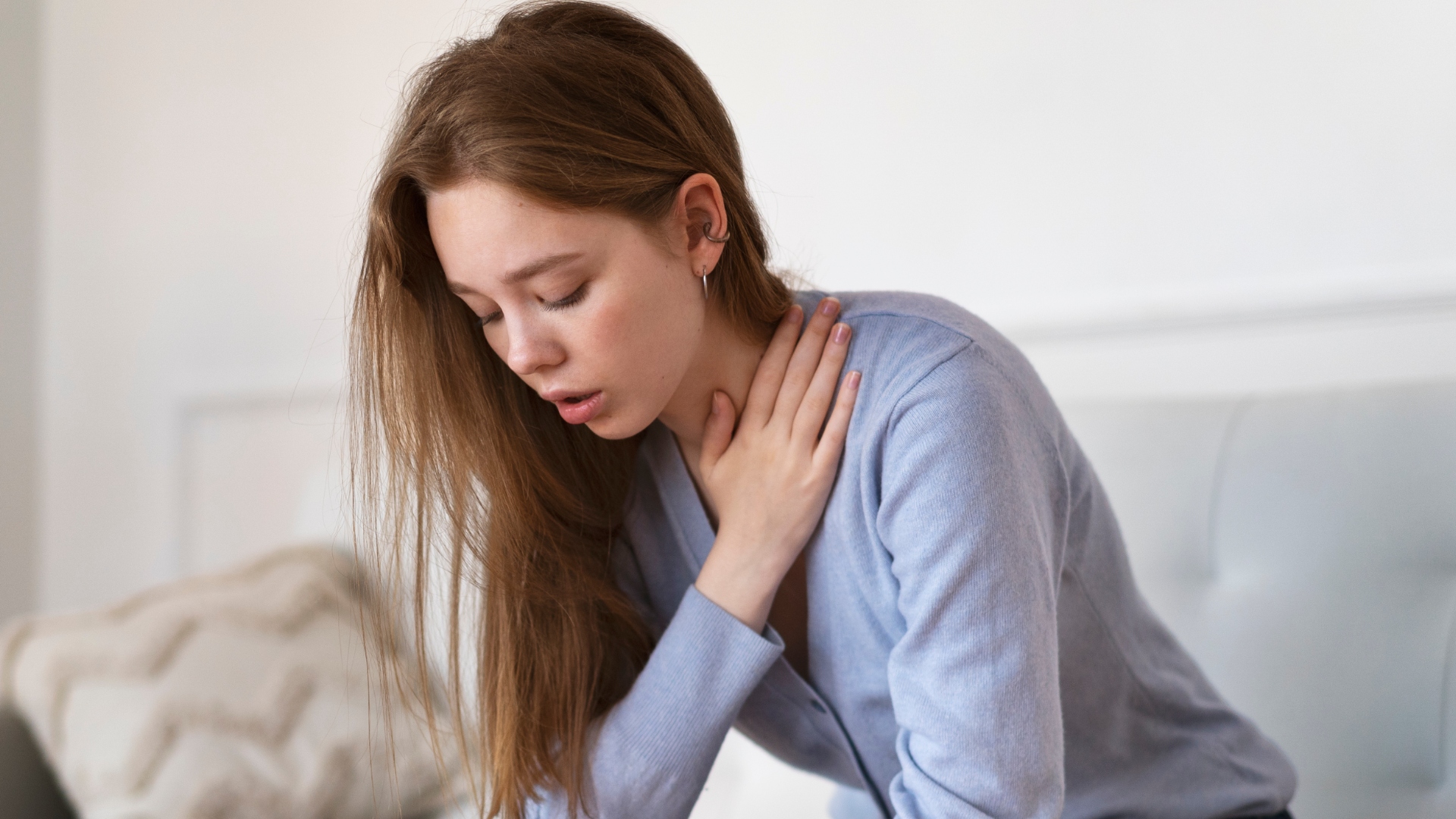
In women, a heart attack often does not resemble the stereotypical image of sudden chest pain that causes a person to collapse, as is frequently seen in men.
Subtle and misleading symptoms
Cardiac symptoms in women are generally more subtle and gradual, making them difficult to recognize immediately. Instead of intense, localized pain in the center of the chest, many describe a simple discomfort or tightness in the chest, sometimes perceived as heaviness, burning, or even simple digestive discomfort. This sensation may radiate to the back (especially between the shoulder blades), jaw, neck, shoulders, or arms, without ever being perceived as "cardiac."
Sudden shortness of breath, even at rest, is a common sign, as is overwhelming and unexplained fatigue that can precede the episode by several days or weeks. Add to that nausea, vomiting, cold sweats, dizziness, or sudden anxiety: these signs, often dismissed as stress, indigestion, or just a "bad patch," particularly affect women and often delay seeking medical help.
Why this difference?
Heart attacks in women frequently involve thinner coronary arteries and specific lesions (such as spasms or erosions), resulting in less "explosive" symptoms. Furthermore, risk factors like diabetes, smoking, and hypertension play a different role in women, and preventive treatments are sometimes underestimated due to this lack of awareness. The result is delayed diagnosis and higher mortality in the acute phase (up to 20-30% higher in women under 65, according to some studies).
The study that sheds light on the debate
A major meta-analysis conducted by University Medical Center Utrecht (Netherlands), compiling 27 longitudinal studies spanning twenty years and involving thousands of patients, demonstrates that symptoms are generally similar between men and women, but that some are significantly more prevalent in women. These include shortness of breath (observed in 50-60% of women vs. 40% of men), nausea/vomiting (up to 40% vs. 25%), and back or abdominal pain. Published in 2020 and widely cited since, this review emphasizes the need for targeted education to avoid false negatives.
Other research, such as that of the American Heart Association , corroborates these findings by highlighting that 40% of women do not experience classic chest pain during a heart attack, compared to 20% of men.
Warning signs you should never ignore
Faced with these dangers, health authorities are hammering home a clear message: call 15 immediately if a woman experiences persistent chest discomfort (lasting more than 5 minutes), sudden shortness of breath, unusual radiating pain (back, jaw, left or right arm), cold sweats, extreme fatigue, or a general feeling of being unwell. Even without obvious pain, the combination of several signs warrants immediate attention.
A reassuring check-up is better than a heart attack that goes unreported: every hour of delay doubles the risk of serious complications. Menopausal women or those with a family history of heart attacks should be especially vigilant.
Beyond the immediate crisis, adopting a protective lifestyle—regular physical activity, a balanced diet, stress management, and not smoking—drastically reduces the risks. Early screening (ECG, echocardiography) in at-risk populations is crucial, as prevention saves more lives than emergency interventions.