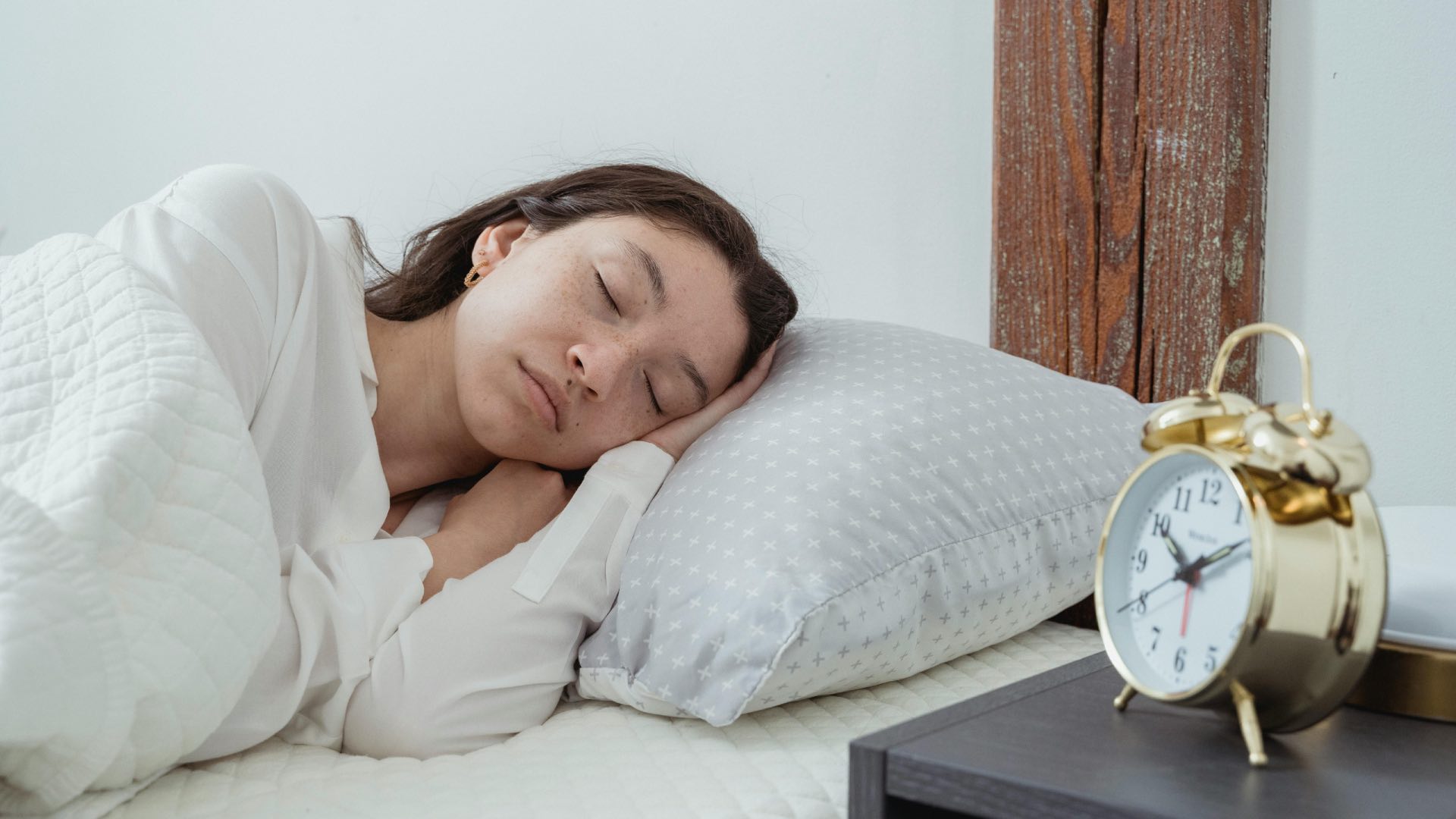
Sleep is one of the cornerstones of well-being. It helps your body recover, your brain function, and your mood remain more stable. However, do we all need the same number of hours? Not exactly: needs change with age… and vary from person to person.
Why sleep matters so much
During the night, your body doesn't "switch off," quite the opposite. It uses this time to repair certain tissues, consolidate memory, regulate hormones, and support emotional balance.
Insufficient sleep over time can lead to fatigue, difficulty concentrating, irritability, or a feeling of mental fog. Conversely, quality rest often helps you feel more energetic, clearer-headed, and more grounded.
The needs of babies and children
In toddlers, sleep plays a major role in brain growth and development. Reference guidelines generally state:
- Newborns (0 to 3 months): 2 to 5 p.m.
- Infants (4 to 11 months): 12 to 15 hours
- Children aged 1 to 2 years: 11 a.m. to 2 p.m.
- Children aged 3 to 5: 10 a.m. to 1 p.m.
- Children aged 6 to 13: 9 to 11 a.m.
During these years, long nights and naps contribute in particular to learning and the maturation of the nervous system.
Teenagers: heavy sleepers… often sleep-deprived
During adolescence, sleep needs remain high. Experts generally recommend between 8 and 10 hours per night for 14- to 17-year-olds. The problem? The biological clock often changes during this period. Many teenagers naturally want to go to bed later, while school schedules require early morning wake-ups. As a result, sleep is sometimes severely deficient.
Adults: how many hours should we aim for?
For adults aged 18 to 64, the most common recommendations are between 7 and 9 hours of sleep per night. After age 65, the needs remain similar, often ranging around 7 to 8 hours. However, sleep may become lighter, with more frequent awakenings during the night or earlier bedtimes. This doesn't necessarily mean "poor sleep," but rather that sleep patterns change throughout life.
These figures are guidelines, not an exam
This is a crucial point: these durations are averages based on scientific studies. They indicate a trend, not a strict requirement. Some people feel perfectly fine with 6.5 hours of sleep, while others need 9 hours to feel fully rested. Genetics, physical activity level, stress, mental health, hormones, and even different life stages can influence your needs. In other words, if you don't exactly tick the "8 hours" box, you're not failing.
When real life overturns theory
Let's be realistic: between work, sometimes children, mental load, studies, travel, or other intense periods, it's common to sleep less than planned. And sometimes, we simply do the best we can. These recommendations shouldn't become an added pressure. The goal isn't to perform at night or to feel guilty every time you wake up. It's better to find a realistic balance: grabbing rest when possible, maintaining a regular sleep schedule, listening to your body's signals, and recovering whenever you can.
In short, the best indicator is you. More than the exact number of hours, observe how you feel: do you wake up generally rested? Do you stay focused during the day? Do you feel significantly drowsy? Ideal sleep isn't the same for everyone. These figures serve as a guideline, not a rigid rule. Your body has its own rhythm, and learning to listen to it is often the best strategy.