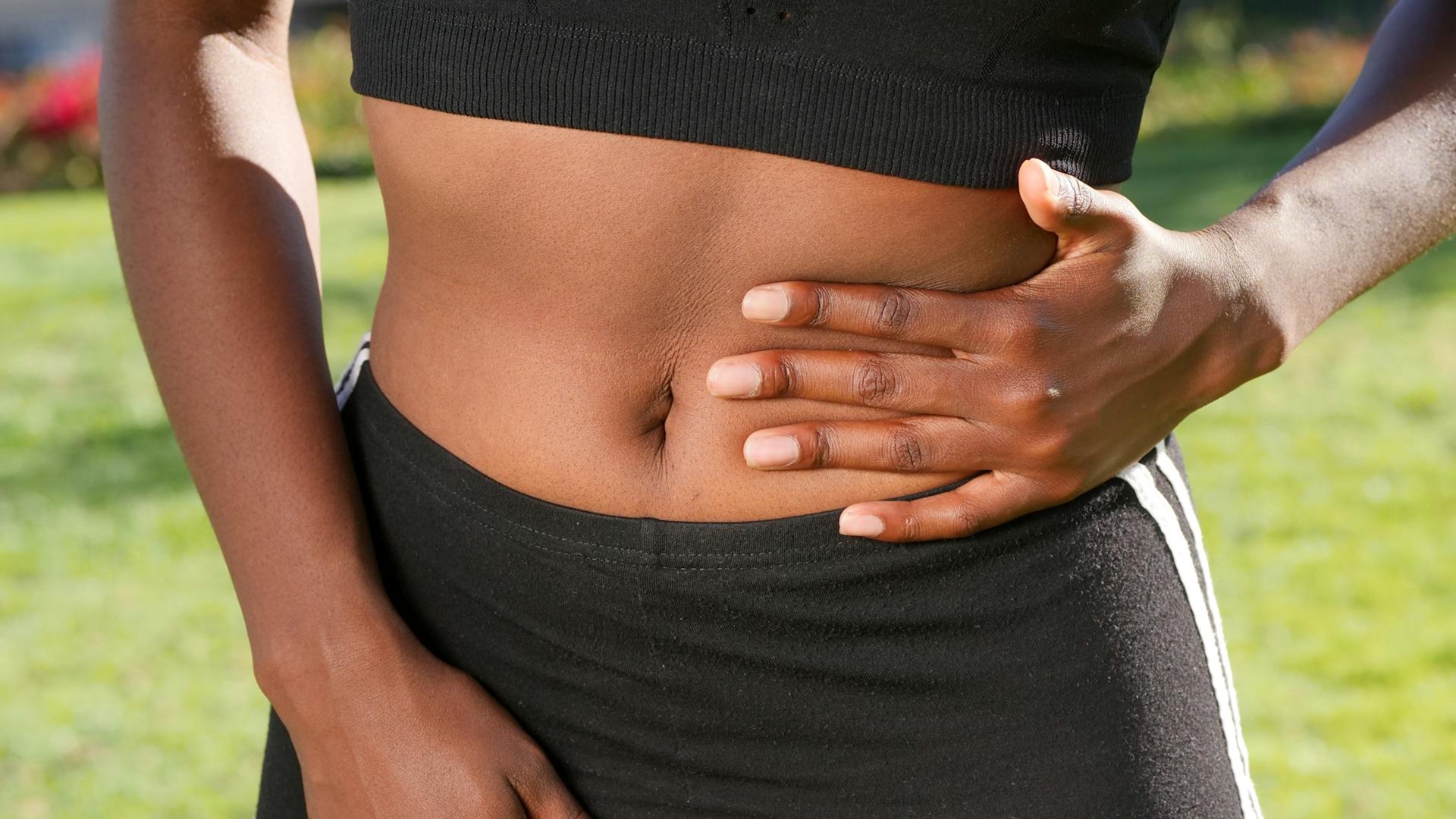
Slimming down without leaving home is entirely possible. Doing flat stomach exercises at home allows you to effectively work your abdominal muscles, at your own pace and according to your schedule.
No need for a gym or expensive equipment: comfortable clothing, a floor mat and real motivation are enough to see concrete results.
According to a study published in 2022 by the American College of Sports Medicine, regular home workouts produce results comparable to gym sessions, provided that appropriate frequency and intensity are maintained.
This information reassures women who wish to advance without logistical constraints.
We will present you with a complete, progressive, and gentle routine. Each exercise has been selected to effectively target the abdominal area , while respecting different body types and fitness levels.
Understanding why the stomach resists effort so much
Before embarking on any routine, it is necessary to understand how the abdominal area functions.
The abdominal muscles consist of four main muscles : the rectus abdominis, the internal and external obliques, and the transversus abdominis. The latter plays a central role in slimming the silhouette.
The transverse abdominis acts like a natural belt. When properly engaged , it supports the internal organs and visually reduces the waistline. However, it is often neglected in traditional workouts that focus on crunches.
Water retention, stress, hormonal imbalances and an unsuitable diet also contribute to bloating in the abdominal area.
Working your abs without adapting your lifestyle yields limited results. The combination of exercise and diet remains the key to a lasting toned stomach.
We emphasize an often underestimated point: deep abdominal breathing , practiced daily, actively contributes to firming the lower abdomen.
This simple technique is practiced lying on your back, inhaling through the nose and exhaling slowly through the mouth.
The best flat stomach exercises to do at home without equipment
The front plank is arguably the most complete exercise for toning the entire core. Position yourself on your forearms, with your elbows aligned under your shoulders. Your body should form a straight line from your heels to your head.
The position is maintained for 20 to 30 seconds at the start.
Gradually, the hold time is increased to 60 seconds or more. This isometric exercise simultaneously engages the transverse abdominis, obliques, and back stabilizing muscles.
It is suitable for all body types and easily adapts to the desired intensity.
The classic crunch, with its modern twist , remains a must-do, provided it's performed correctly. Lie on your back with your knees bent and feet flat on the floor. Lift your shoulders without pulling on your neck. The movement should originate from your torso, not your neck.
A common mistake is to make the movements too wide. The upward movement should remain short and controlled , with a marked abdominal contraction at the top of the movement.
We recommend starting with 3 sets of 15 repetitions, with one minute of rest between each set.
Leg raises specifically target the lower abdomen, often considered the most difficult area to work. Lie on your back with your hands under your buttocks to protect your lower back.
We raise our legs straight up vertically, then lower them slowly without putting them on the ground.
This movement requires good coordination and active core engagement. For beginners , slightly bending the knees can reduce lower back strain.
The key is to keep your lower back pressed against the floor throughout the movement.
Core strengthening routine: 4-week program
Here we offer a structured program for methodical progress. Consistency is more important than intensity : it's better to train for 20 minutes every day than to complete a marathon session once a week.
Weeks 1 and 2 — Initiation Phase: 3 sessions per week. Each session includes 3 sets of 20-second planks, 3 sets of 10 crunches, and 3 sets of 10 bent-leg raises. Rest between sets is 60 seconds.
Weeks 3 and 4 — Progression phase: we move to 4 weekly sessions. Planks become 3 sets of 40 seconds, crunches 3 sets of 15, and straight leg raises 3 sets of 12. We also add mountain climbers.
Mountain climbers combine core strengthening and cardio. You start in a push-up position with arms extended. Alternately bring each knee towards your chest, keeping your torso stable.
This dynamic exercise burns calories and simultaneously strengthens the abdominal core.
We recommend starting each session with 5 minutes of light warm-up: walking in place, hip rotations and dynamic stretches.
Finishing with 5 minutes of static stretching promotes muscle recovery and prevents soreness.
Exercises targeting the obliques to slim the waist
Slimming the waist inevitably involves working the obliques. These lateral muscles sculpt the silhouette and contribute to the defined waistline that many women seek, regardless of their body type.
The oblique crunch is performed like a classic crunch, but with the left elbow pointing towards the right knee, and vice versa. The alternation should be fluid and controlled. Be careful not to strain the back of the neck and to properly contract the targeted abdominal muscle.
Russian rotations are another excellent exercise for the obliques. Sitting on the floor with knees slightly bent, lean your torso slightly backwards.
We rotate our torso from left to right, with our hands joined or holding a light object such as a water bottle.
To increase the difficulty, you can lift your feet off the ground to further engage your core. This multi-joint exercise also improves balance and proprioception.
We recommend 3 sets of 20 complete rotations, 10 on each side.
The side plank complements this work on the sides. You position yourself on your side, supported on your forearm, with your feet stacked one on top of the other. Your pelvis lifts off the ground to align your body.
This isometric movement intensely engages the obliques without any joint impact.
Incorporate yoga and Pilates for a toned stomach
Yoga and Pilates offer complementary approaches to traditional exercises. Joseph Pilates , creator of the eponymous method in the 1920s, understood ahead of his time the importance of working the core of the body, which he called the powerhouse .
The Pilates method is based on precision of movement, breathing and deep engagement of the transverse abdominis.
Recent studies show that 8 weeks of Pilates significantly improves abdominal tone and reduces lower back pain. This approach is perfectly suited to all body types.
Among the most effective yoga poses for the abdomen, the Boat Pose or Navasana deserves special mention. While seated, raise your straight legs to a 45-degree angle, with your arms parallel to the floor.
This position is maintained while breathing deeply for 5 to 10 breaths.
The Cat-Cow , or cat-cow sequence, mobilizes the spine while activating the transverse abdominis. On your hands and knees, round your back while exhaling, then arch your back while inhaling.
This gentle yet effective movement ideally prepares the body before a more intense abdominal workout.
We particularly appreciate these methods for their respect for the body as a whole. They allow for gentle work, without excessive stress on the joints, while still achieving visible results in abdominal tone.
Diet, an essential ally for a flat stomach
No single exercise routine can produce optimal results for a flat stomach. Diet accounts for approximately 70% of the path to a toned stomach, according to many nutritionists and sports health experts.
Certain foods promote bloating and can mask the results of muscle work.
Carbonated drinks, excessive consumption of legumes, cabbage, ultra-processed foods, and alcohol all contribute to abdominal bloating . Reducing their intake helps to quickly reduce belly bloating.
Conversely, some foods actively support digestion and bowel regularity. The soluble fibers found in oats , apples, and chia seeds absorb water and facilitate regular bowel movements.
The natural probiotics present in yogurt, kefir and sauerkraut contribute to the balance of the intestinal microbiota.
Hydration also plays an often underestimated role. Drinking 1.5 to 2 liters of water per day reduces water retention and supports metabolic functions. Paradoxically, drinking enough water helps the body retain less fluid in the tissues.
We also emphasize the importance of eating rhythm. Eating slowly, chewing thoroughly, and avoiding meals eaten under stress significantly improves digestion .
These simple habits directly contribute to reducing daily abdominal bloating.
Common mistakes that sabotage flat stomach results
Certain training habits can hinder progress, or even cause pain. The first mistake concerns breathing.
Holding your breath during exercise increases intra-abdominal pressure and can weaken the pelvic floor, especially after pregnancy.
The second mistake concerns frequency. Contrary to popular belief, doing abdominal exercises every day without rest does not produce better results.
Muscles need 48 hours of rest to regenerate and strengthen. A program of 3 to 4 sessions per week remains optimal.
Neglecting back exercises is a common structural error. The abdominal and back muscles work in synergy.
Strengthening the abs without working the spinal muscles creates muscular imbalances that can lead to chronic lower back pain.
Finally, many women expect results too quickly.
Muscle transformation takes time : the first visible improvements generally appear after 4 to 6 weeks of regular and consistent practice. Patience and regularity remain the two pillars of lasting abdominal toning.
We remind you that every body responds differently to training. Morphological variations influence the time it takes to see results , making any comparison between individuals irrelevant and counterproductive.
Moving forward at one's own pace remains the best strategy.
Adapt the exercises according to your level and body type
Not all women start from the same fitness level. Adapting exercises to your actual level prevents injuries and maintains motivation in the long run. There's no shame in starting with simplified variations of classic exercises.
For beginners or people resuming physical activity after a long period of inactivity, the knee plank is a good alternative to the full plank.
We maintain the same straight line from the pelvis to the knees, without the constraint of the total body weight.
Women who have recently given birth should be extra careful. Diastasis recti , the separation of the abdominal muscles after pregnancy, contraindicates certain exercises such as traditional crunches.
Consulting a physiotherapist or midwife before resuming abdominal training remains essential.
Conversely, more advanced practitioners can make the exercises more complex.
Adding a resistance band to leg raises or using a Pilates ball under the back during crunches significantly increases muscle intensity. These variations allow you to continue progressing without hitting a plateau.
We are committed to offering solutions accessible to all, regardless of body type or starting point.
A well-constructed and personalized program yields far superior results to a standard workout copied indiscriminately from social media.
Create a conducive environment for home workouts
The environment largely determines the regularity of training. Setting up a dedicated space in your living room, bedroom, or even a small available room promotes consistency and commitment.
A corner identified as a sports area creates a positive mental anchor.
The minimum recommended equipment includes a non-slip exercise mat, ideally thick to protect the spine. A mirror positioned in front of you allows you to check your body alignment during exercises, which improves their effectiveness and reduces the risk of injury.
Music plays a significant motivational role . Research in sports psychology shows that training with a rhythmic playlist increases performance and reduces the perception of effort.
Creating a dedicated workout playlist reinforces the sporting ritual.
Specialized mobile apps also offer significant support. Solutions like Nike Training Club or online Pilates platforms offer guided programs, accessible for free or at a low cost.
These tools make it easier to track progress and maintain motivation.
We also suggest scheduling your sessions as fixed appointments in your calendar. Blocking out specific time slots significantly reduces the risk of postponing or cancelling your workout.
Consistency comes from discipline, not just motivation.
Making sustainable progress: adopting a long-term vision
Achieving a toned stomach isn't just about a few weeks of intense effort. The long-term success depends on integrating these habits into a holistic lifestyle .
Regular exercise, a balanced diet and good stress management form an inseparable triad.
Chronic stress deserves special attention. Cortisol, the stress hormone, promotes fat storage in the abdominal area.
Relaxation practices such as meditation , yoga nidra, or simply regular walks outdoors help to reduce this physiological mechanism.
Sleep is a fundamental factor in recovery . Sleeping less than 6 hours a night disrupts hunger hormones, increases sugar cravings, and hinders muscle recovery.
Aiming for 7 to 9 hours of sleep per night remains a universal public health recommendation.
We encourage all women to celebrate their progress, however small. Keeping a training log , noting the repetitions completed, the duration of planks held, and the sensations experienced, allows you to concretely visualize your progress.
This monitoring reinforces motivation and values each step of the journey.
Transformation is not measured solely in centimeters .
Increased energy, improved posture, better digestion, and more restful sleep are among the first benefits felt, long before any aesthetic results become visible. These positive signs deserve to be recognized and valued.
Adopting these flat stomach exercises at home is an investment in your overall well-being. Each session done at home represents a concrete step towards your physical and mental health.
Regularity, patience, and self-compassion remain the true drivers of a lasting and fulfilling transformation.