You're enjoying the first rays of sunshine, and yet a few hours or days later, your skin reacts with small bumps or red patches. Rest assured, this phenomenon is common, generally harmless, and even has a specific name: polymorphic light eruption (PLE). Understanding what's happening allows you to better care for your skin and enjoy summer more peacefully.
Lucite, this very common solar reaction
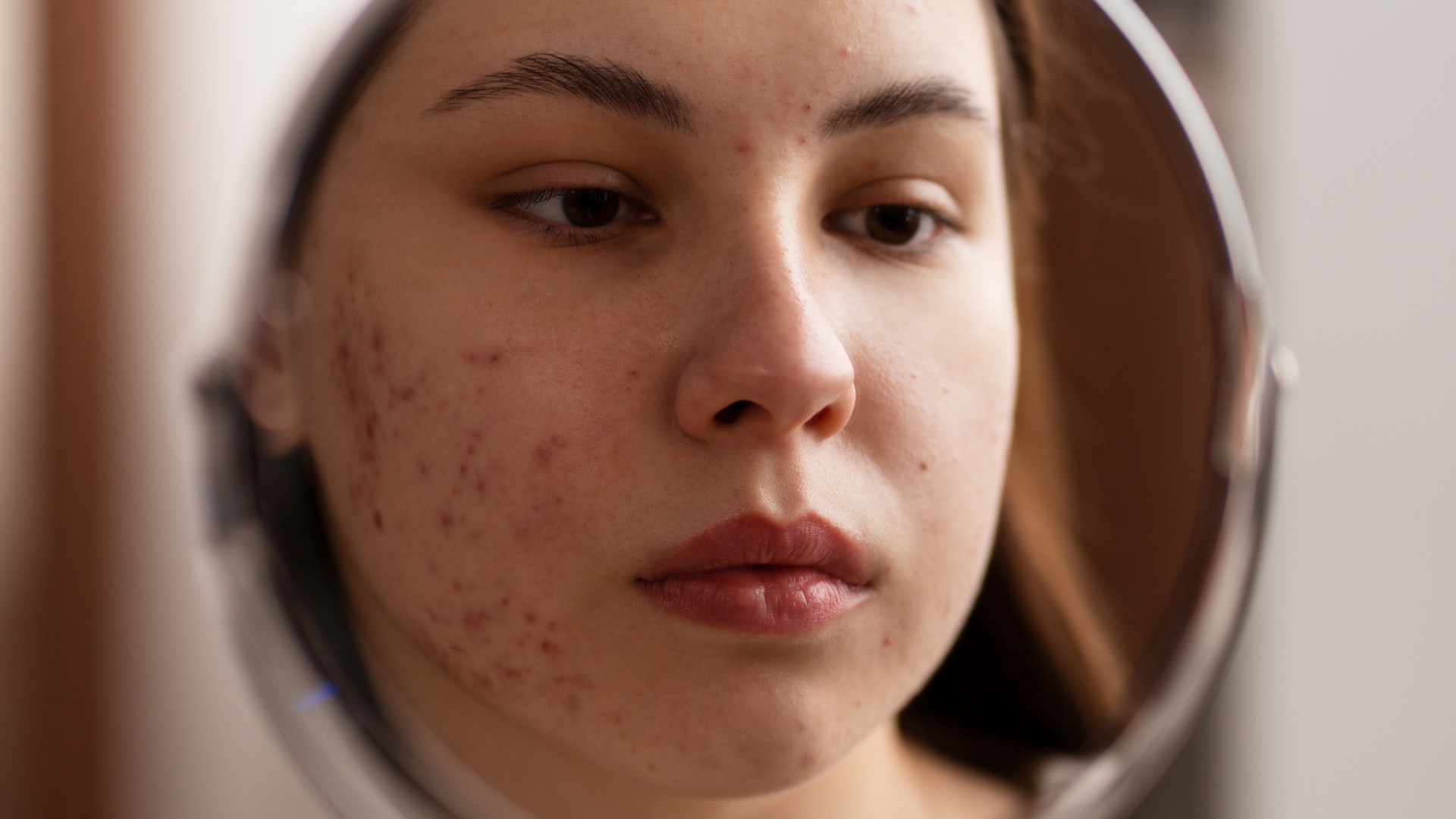
When spots appear after sun exposure, the most common cause is polymorphic light eruption (PLE), also known as light rash. It manifests as small, red, sometimes raised lesions, often accompanied by itching. The chest, neck, arms, and legs are the most affected areas, as these are the first to be exposed to the sun.
This reaction usually occurs a few hours to a few days after exposure, especially in spring or early summer, when the skin is not yet accustomed to UV rays. It affects a significant portion of the population, particularly people with fair skin, women, and those under 30.
Skin that reacts a little too strongly to the sun
Sun rash is linked to an unusual immune reaction to ultraviolet rays, particularly UVA. In simpler terms, the skin "interprets" the sun as an aggressive signal and triggers an inflammatory response.
This mechanism corresponds to a form of delayed hypersensitivity. While science hasn't yet fully elucidated it, it's thought that certain hormonal factors could explain why women are more affected. The good news is that the skin often adapts gradually: with repeated exposure, it becomes less reactive and flare-ups tend to become less frequent.
Not always sun-induced light eruption: other possible causes
Not all sun-induced breakouts are caused by polymorphic light eruption (PLE). In some cases, it may be a reaction formerly known as "Majorca acne." This was linked to an interaction between UV rays and certain ingredients in older sunscreens. While formulas have evolved since then, other factors can still play a role. Heat, perspiration, or overly rich products can clog pores and promote breakouts.
Furthermore, the sun sometimes gives the impression of "clearer" skin by temporarily drying out blemishes. However, afterwards, a rebound effect can occur, giving the impression that the blemishes return with a vengeance.
How to take care of your skin without depriving yourself of the sun
Adopting a few simple steps can really make a difference.
- Gradual exposure allows the skin to adjust gently. It's best to avoid long, intense sessions as soon as the weather gets warmer.
- Broad-spectrum sun protection, ideally SPF 50+, helps to limit reactions.
- Non-comedogenic textures are also beneficial for maintaining comfortable and balanced skin.
- Lightweight, covering clothing can also provide real support during prolonged exposure.
Sun rash is usually temporary and harmless. However, if the reactions are intense, repeated, or uncomfortable, a dermatologist's opinion can provide appropriate and personalized solutions.
Ultimately, getting breakouts after sun exposure is neither abnormal nor shameful. It's simply your skin's way of communicating and protecting itself. Your skin is alive, reactive, sometimes sensitive, and this is part of its nature. The key is to care for it gently, without judgment, learning to recognize its needs.