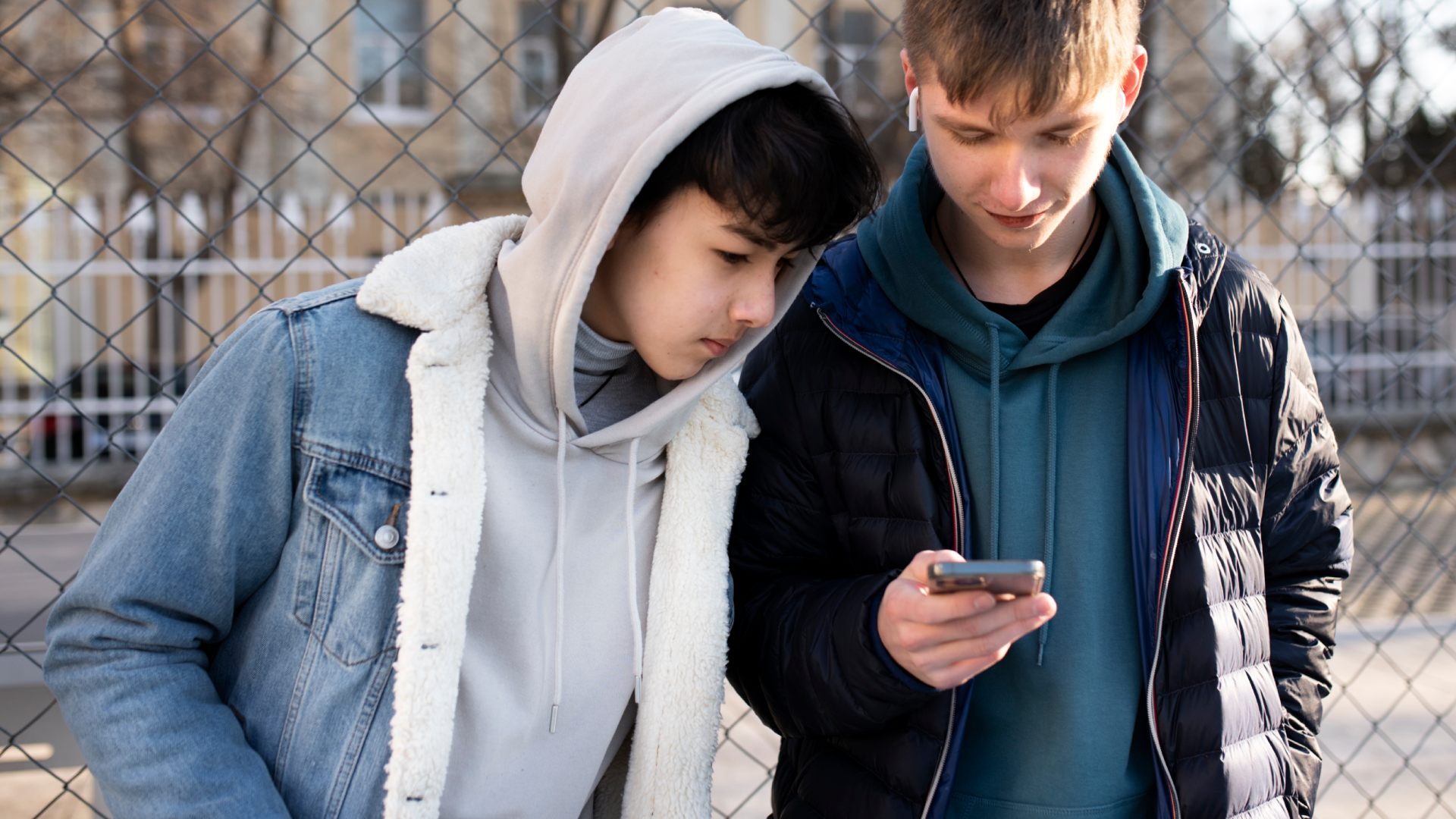
Digital technology is now an integral part of teenagers' lives. It informs, entertains, and connects them. However, its omnipresence can also lead to intrusion. Faced with this reality, the French government has decided to take a firmer stance. A bill presented in January 2026 proposes two major changes: preventing access to social media for those under 15 and extending the ban on mobile phones to high schools starting in the 2026 academic year.
Digital practices that are causing increasing concern
Recent figures and studies paint a worrying picture. Excessive screen time, chronic fatigue, sleep disorders, anxiety, loss of self-confidence, and cyberbullying: teenagers sometimes pay a heavy price for constant connectivity. Social media, in particular, fosters perpetual comparison, unrealistic beauty standards, and performance pressure. Contrary to a body-positive approach, it can undermine self-esteem and confuse the relationship with the body, which is still developing at this age.
To regulate these practices, the Audiovisual and Digital Communication Regulatory Authority (Arcom) would be responsible for ensuring the application of the rules, in connection with the European framework of the Digital Services Act.
Social media banned for children under 15: a radical change
The bill proposes a clear ban on major social media platforms—such as TikTok, Instagram, and Snapchat—for users under 15. The companies involved would be required to verify the real age of their users, under penalty of law. The aim is not to demonize digital tools, but to acknowledge that some virtual spaces are not suitable for adolescents who are still developing emotionally.
This initiative is inspired by practices already in place elsewhere. In Australia, for example, a pilot program sets the age limit at 16. In Europe, France aims to pave the way for more protective regulations, placing personal development, mental health, and self-respect at the heart of the debate.
High schools without phones to regain attention
Another key measure: a ban on cell phones in high schools. After primary, preschool, and middle schools, which have been subject to this ban since 2018, it would now be high school students' turn to put their smartphones away in their bags. The stated objective is to harmonize the rules and recreate an environment conducive to concentration, genuine interaction, and learning.
In practical terms, this means a return to binders, notebooks, and face-to-face discussions. Confiscation measures could be implemented, although the question of their application remains sensitive, particularly in less supervised areas.
A debate that divides, in France and elsewhere
The Minister Delegate for Digital Affairs, Anne Le Hénanff, is defending a text based on solid scientific data concerning the negative effects of screens. Many parents and teachers welcome an initiative that could improve the school climate and foster healthier, more authentic relationships.
Among teenagers, reactions are more mixed. Some see it as an infringement on their freedom, while others acknowledge, sometimes only half-heartedly, the burden of constant connectivity. Several European countries, such as the Netherlands and Sweden, are also considering similar measures, demonstrating that the issue extends far beyond France's borders.
2026, a test year for an entire generation
The government hopes the legislation will be adopted before summer 2026 so that these measures can be implemented the following school year. The ambition is likely clear: to help teenagers reconnect with themselves and others, without filters or screens. It remains to be seen whether this reform will bring about lasting change or if it will still need to be adapted to the realities on the ground.
One thing is certain: the debate has begun, and it touches on the essentials - well-being, balance and the freedom to grow up peacefully.