What if true luxury in 2026 was… living without algorithms? While artificial intelligence promises to optimize every aspect of daily life, a segment of young people is choosing a completely different path: that of simplicity, authenticity, and a joyful rediscovery of a not-so-distant era, but one that has already been mythologized.
When the stars rekindle the flame of 2016
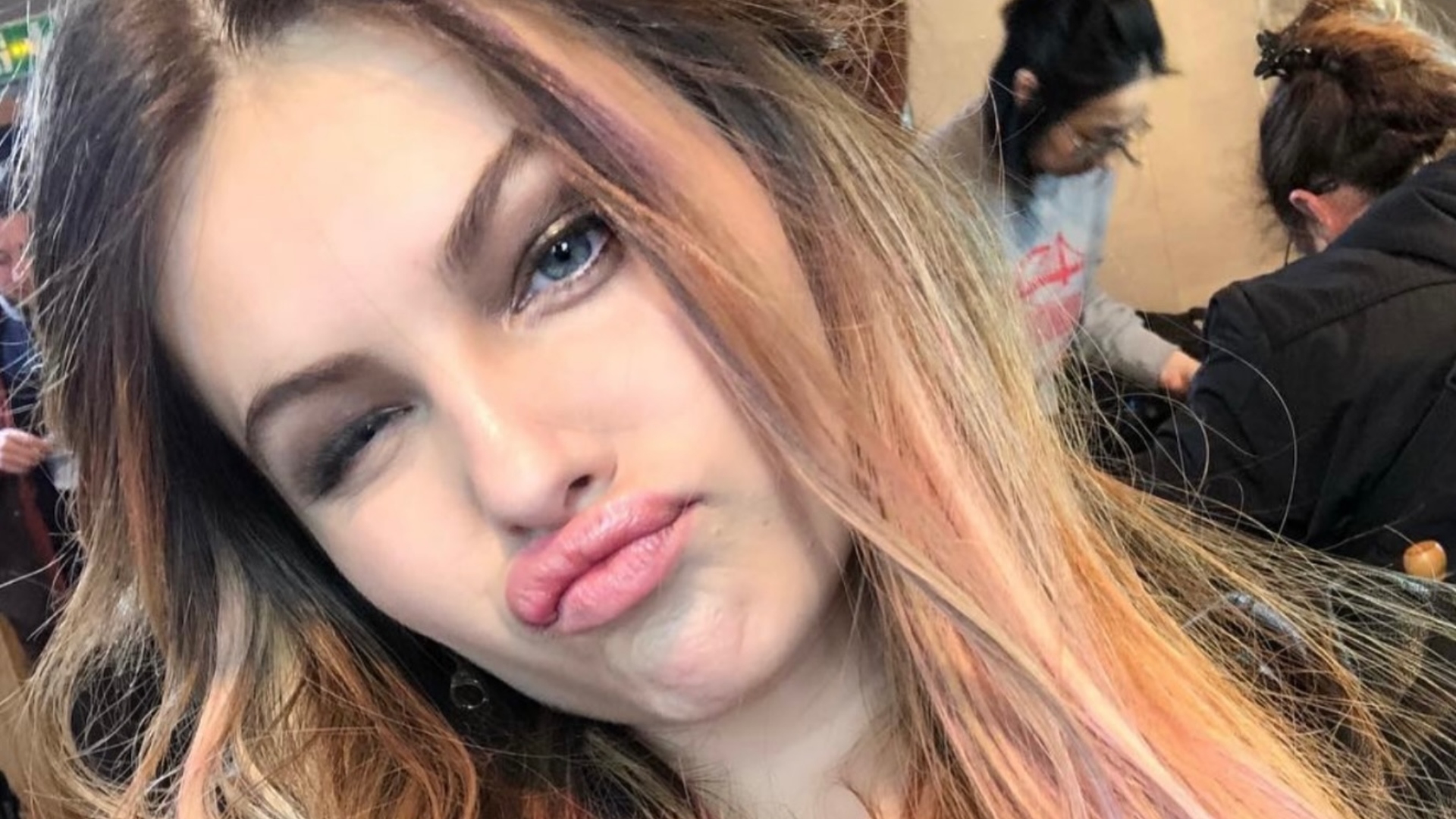
For the past few months, a wave of nostalgia has been sweeping across social media, but not just any kind. It's not simply a return to vintage trends: it's a fascination with 2016 , perceived as a golden age of digital technology—more spontaneous, lighter, more human. What's particularly striking is that this movement is amplified by public figures. Stars like American model and entrepreneur Hailey Bieber and American actress, producer, and businesswoman Reese Witherspoon are sharing their memories of this period, reviving colorful looks, unretouched selfies, and a joyfully imperfect aesthetic. Their participation gives massive visibility to this desire to slow down and rediscover a sense of freshness often considered lacking today.
View this post on Instagram
View this post on Instagram
A generation discovering 2016 with wonder
This return to 2016 isn't just for those who lived through that era. Many young people are discovering it almost as if it were a parallel universe. For them, that year represents a gentler, less strategic internet, where people posted for fun rather than to achieve success. They marvel at the Snapchat filters of yesteryear, the catchy pop playlists, and the bold fashion styles, which they experience as a breath of fresh air in a present often perceived as too serious, too optimized, too structured.
"eanalog lifestyles": a response to digital saturation
Beyond the images and memories, it's primarily a lifestyle that's emerging: that of "analog lifestyles." More than just a temporary "digital detox," it's a genuine shift in habits. Reading on paper, writing by hand, listening to vinyl records, keeping a journal, cooking without apps, using simple appliances… these actions become conscious, almost empowering choices. They allow us to reconnect with slower pace, with touch, with mindfulness, and above all, with a sense of self-presence.
Faced with voice assistants, automated recommendations, and decisions increasingly delegated to algorithms, many young people are indeed experiencing a kind of fatigue. The feeling of no longer truly choosing, of no longer truly thinking for themselves, is becoming burdensome. By turning to more manual, simpler practices, they are seeking to regain control over their daily lives, to take back control of their actions, their leisure activities, and their time.
2016, more than a year: a state of mind
This throwback to 2016 is therefore not simply a retro fad. It embodies a deep desire to rebalance the role of technology in life. The new generation doesn't reject digital technology, but wants it to remain a tool, not an autopilot. By restoring value to simple pleasures, sensory experiences, and joyful imperfection, it is redefining what it means to live life to the fullest in the age of AI.
In short, 2016 became a symbol: that of a gentler, more playful, and more human relationship with the connected world. An inspiring invitation to slow down, to choose, and above all, to savor every moment.