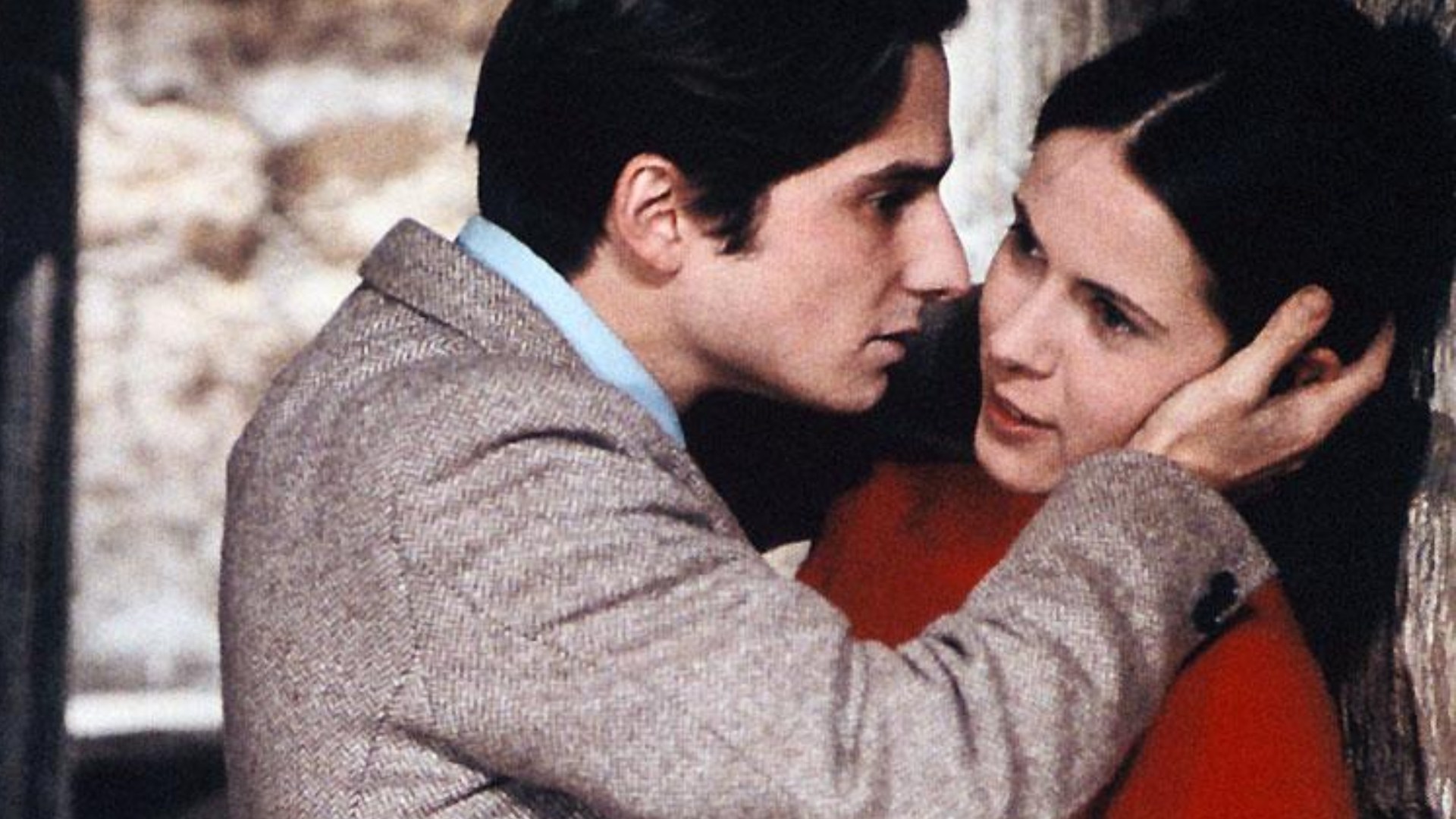
The "stolen kiss," practiced in school playgrounds as a game of "dare" and touted on screen as a romantic act, is neither fiery nor passionate. In the post-#MeToo era, kissing a woman unexpectedly and crossing the line into kissing her without warning is more a blatant act of sexual assault than a clumsy attempt at seduction.
The "stolen kiss" is still sadly relevant today.
In popular imagination, a "stolen kiss" was a trivial matter, a sign that the heart had triumphed over reason. It illustrated the courage to confess one's feelings, a romantic impulse, or even an unexpected moment of passion. Moreover, on screen, the one who "steals" a kiss is often portrayed as someone who dares to overcome their shyness.
While Disney's Prince Charmings are undeniably the originators of the unwanted kiss, they are not the only ones to place their lips with impunity on those of women who have done nothing to provoke it. A "stolen kiss" has even made its mark on history, captured just after the war and used as a symbol of freedom. This 1945 photograph, which surely graces a page of school textbooks, shows a sailor passionately kissing a nurse in the famous Times Square in New York City.
At first glance, it looks like a passionate reunion between a war survivor and his wife. Yet, this image primarily depicts abuse, a form of insidious and rarely acknowledged harassment. The man in uniform lunged at this stranger's mouth, trapping her in this forced embrace.
The same scene was repeated 80 years later on the pitch of the FIFA Women's World Cup when Luis Rubiales grabbed Jenni Hermoso's head and kissed her. This incident, which shook the sporting world and marred the victory of the Spanish players, is still remembered. While in the past these images were dismissed as a simple "outburst of emotion," a rash gesture, today they are incriminating evidence, irrefutable proof of sexual assault.
The "stolen kiss" flirts with illegality
It's not just hands that wander aimlessly; lips, too, transgress the laws of privacy. Even in the schoolyard, the "stolen kiss" is reduced to a playful game, a kind of revamped "dodgeball." The modus operandi? Boys chase girls, mouths first, and subject them to a furtive kiss before running off like delinquents. And no, it's neither innocent nor fun.
The "stolen kiss," elevated to the status of a "Don Juan" pastime and minimized, is a behavior that demands sanctions . Remaining passive in the face of this oral hostage-taking ultimately amounts to admitting that women's bodies are a commodity for public consumption. In Colorado, a school took a firm decision : to punish a student accordingly. They suspended a 6-year-old boy caught in the act of a physical robbery, planting a kiss on a classmate who struggled as best she could. This outraged the parents of the troublemaker, who found the term "sexual harassment" a bit "too exaggerated" for toddlers barely old enough to understand anatomy.
In these kinds of cases, shifting blame is a recurring strategy. Girls are then portrayed as oversensitive, as someone who "doesn't know how to have fun," or as drama queens who make a mountain out of a molehill. But forcing a kiss is a violation of consent and a blatant disregard for women's bodies. Hence the importance of teaching this concept early on, long before learning how to have babies.
Consent: an absolute priority
For years, in an era of lewd remarks, hands up skirts, aggressive workplace harassment, and marital rape, consent was nonexistent and had no legal standing. At that time, men felt untouchable, immune from punishment by their "dominant" status, and treated women's bodies as their property.
Today, despite the resounding #MeToo movement and the cascade of denunciations, consent still seems to be optional. In some countries, it's even a utopia, a pure illusion. According to WHO figures, 840 million women worldwide are collateral victims of this "anything goes" mentality. Nearly one in three women has experienced domestic or sexual violence in her lifetime. Yet, silence is not an invitation, and the female body is not a toy, destined to satisfy fantasies and impulses.
Consent should be automatic, not an exception. The "stolen kiss," a relic of an era when courtship amounted to harassment , no longer leads to a radiant romance, but to a squalid cell. It's no longer a poetic way of describing a romantic challenge; it's a legal travesty.