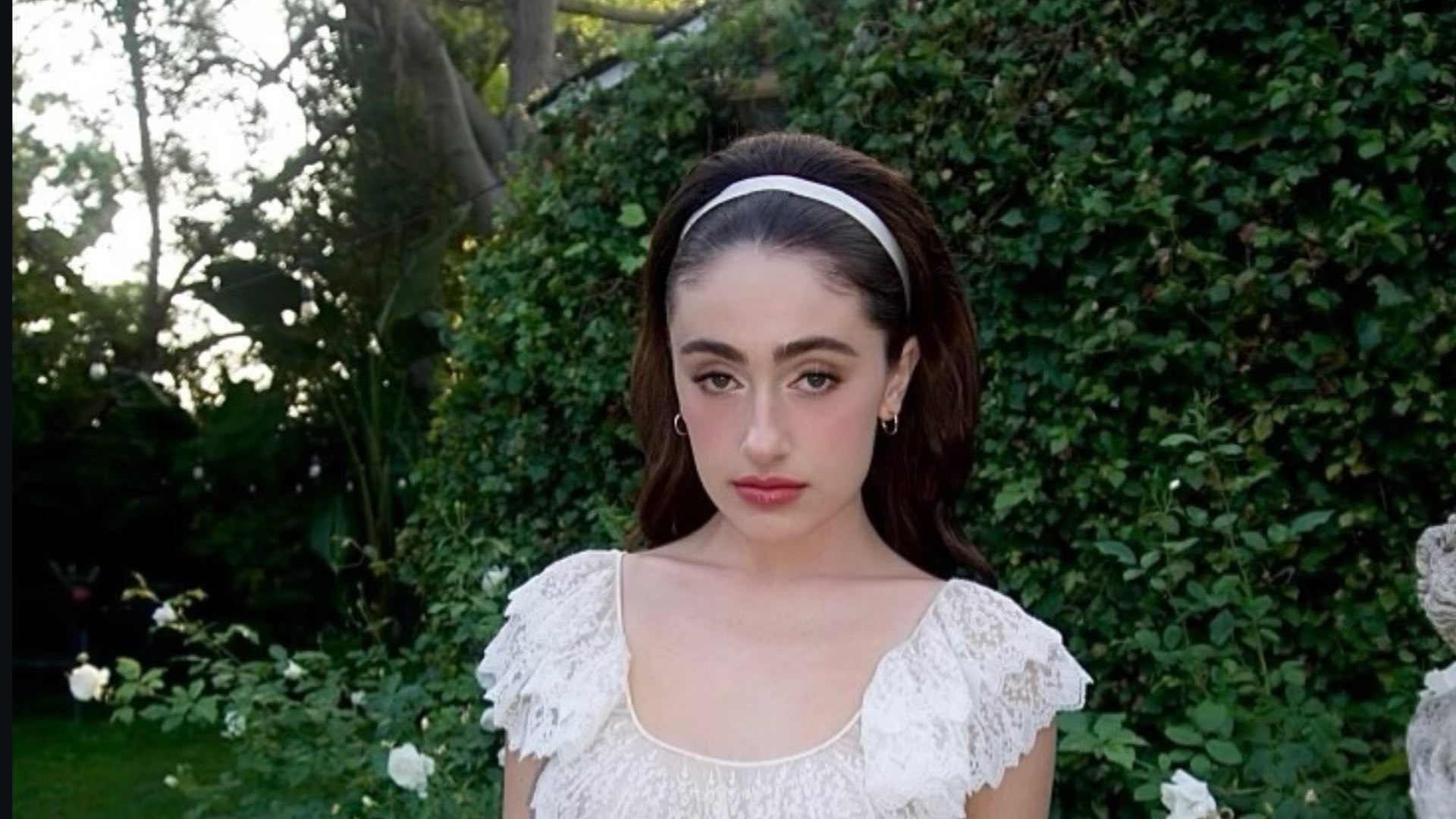
Social media norms are evolving rapidly, including how people pose in front of the camera. After years dominated by the famous "duck face," a new facial expression is gradually emerging: the "Gen Z pout." Popularized on social media, this pose is distinguished by a more natural approach, in line with current trends that value authenticity.
An evolution in the codes of photographic posing
The “duck face”, characterized by strongly pursed lips, has long been associated with selfies posted on social media in the 2010s.
View this post on Instagram
Generation Z today seems to favor a more discreet expression, called the “Gen Z pout”. This pose consists of slightly parting the lips, while maintaining a more relaxed face.
This change illustrates an evolution in online aesthetic references, where expressions deemed more spontaneous are gaining popularity.
Content creators regularly share tutorials explaining how to adopt this pose, contributing to its rapid spread.
A trend linked to the search for naturalness
The success of the “Gen Z pout” is part of a broader trend that values an appearance perceived as less polished.
Several visual communication specialists observe that young internet users favour images that give the impression of being taken in the moment, without excessive staging.
This evolution is accompanied by an interest in more minimalist photographic styles, where natural light and understated expressions are emphasized.
The popularity of this pose thus reflects a search for a balance between enhancing the image and giving an impression of authenticity.
The central role of social media in spreading the trend
Like many visual trends, the “Gen Z pout” spread thanks to social media platforms. Short video formats allow for quick demonstrations of poses and tips.
Appearance trends often evolve in cycles, with each generation developing its own standards. And it must be acknowledged that the increased visibility of certain facial expressions contributes to standardizing new visual codes.
A new illustration of the evolution of digital codes
Trends related to selfies demonstrate how digital practices influence image perception.
View this post on Instagram
The shift from "duck face" to "Gen Z pout" illustrates how quickly aesthetic codes can evolve. These trends contribute to redefining how internet users choose to represent themselves online.