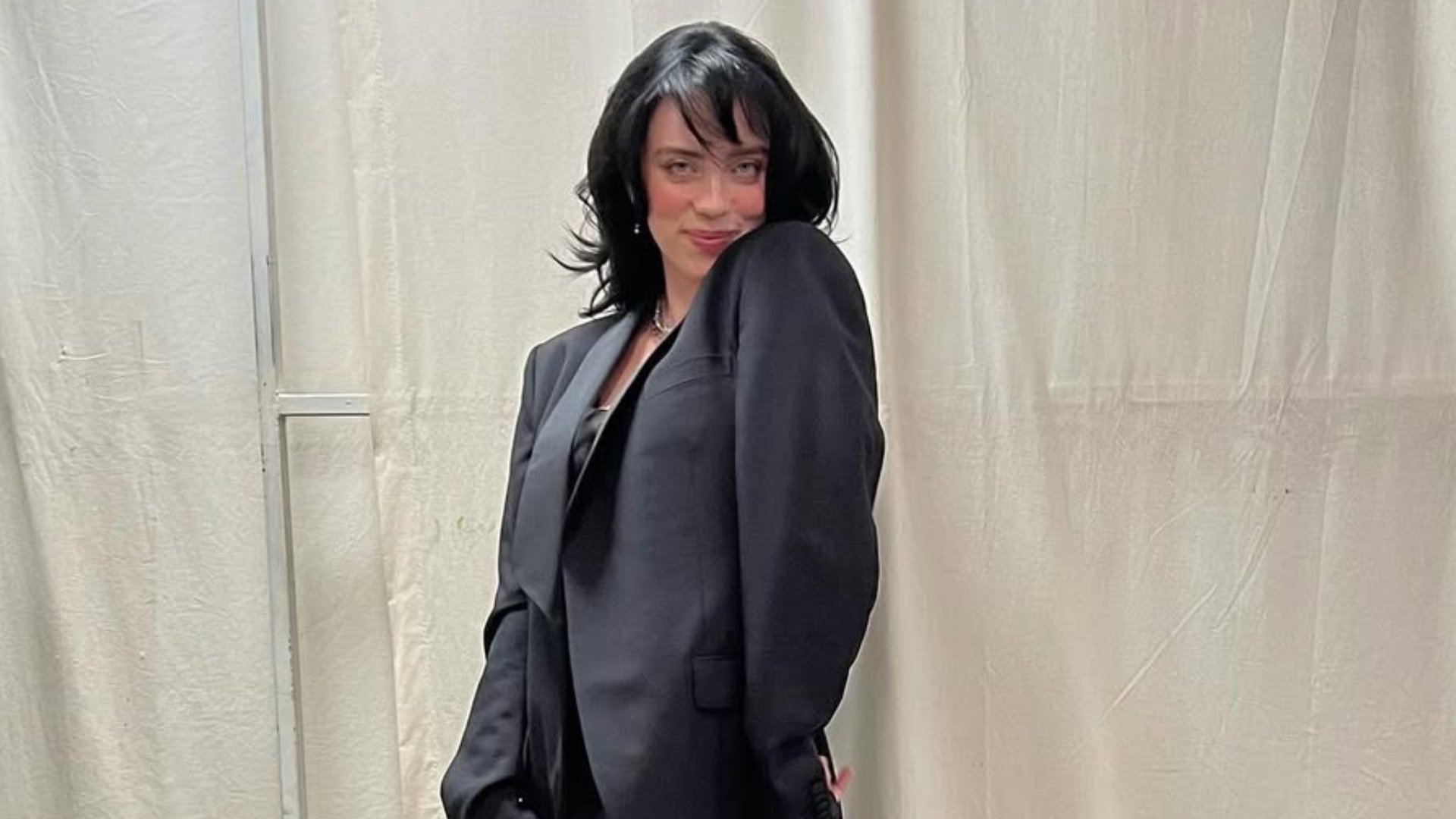
Keira Knightley and Kristen Stewart are its best ambassadors. Instead of curving upwards, their mouths curve downwards, giving them a unique charm. The inverted smile, which doesn't follow the usual pattern, is nevertheless frowned upon in the beauty world. While press articles present this feature as a flaw to be corrected and recommend facial exercises to fix it, here are some tips to celebrate this singular smile.
A matter of facial anatomy, not mood
Just like drooping eyelids, the inverted smile is often misunderstood and stigmatized. Contrary to popular belief, an inverted smile is not a sign of persistent sadness or chronic unhappiness. The face hasn't acquired the crease of grief or the blues; it has always been that way. And in a world where mouths are constantly altered and modified by cosmetic surgery, this inverted smile is almost a curiosity.
However, this is primarily a natural positioning of the facial muscles, particularly the depressor anguli oris muscles, which, in some people, can exert a slight downward pull, even at rest. All these technical terms simply mean that this inverted smile is not a mistake of nature, nor a "failure" of our parents, but a distinctive feature.
Jaw shape, muscle tone, and genetic factors all play a major role in this appearance. Therefore, an inverted smile is not a "problem" to be corrected, but a natural expression, as neutral as eye color or nose shape.
When standards influence trust
Living with an inverted smile can affect self-confidence , not because of the face itself, but because of external reactions. Being seen as a "sad" or "cold" person can ultimately create a disconnect between what you feel and what you think you project.
Some people compensate by overdoing their smiles, forcing their expressions, which can become tiresome. And online, cosmetic procedures seem to be the only solution for making peace with one's reflection. The media urges us to lift our drooping eyelids, slim our facial lines with bronzer, and change our noses through the art of contouring.
Unsurprisingly, they urge us to put our smiles back on the right way, as if the future of the Earth depended on it. But why be a mere copy of dictates when you can be an original? This inverted smile isn't a burden, and it has much more to say than gloom. An expressive face isn't limited to the mouth. The eyes, the voice, the posture, the gestures communicate a great deal. Many people with inverted smiles exude a gentleness or depth that speaks volumes more than the shape of their lips.
How to love this inverted smile and turn it into a strength
What if, instead of trying to "correct" this inverted smile, we learned to see it differently? Because a face isn't meant to be frozen in an advertising expression. It reveals a personality, a sensitivity, a presence in the world. And this type of smile, far from being a flaw, can become a true signature.
First, it gives off a particular aura. People with an inverted smile often exude something profound, composed, almost mysterious. Their face doesn't reveal everything immediately, which creates a kind of magnetism. Where some faces seem smooth and interchangeable, this one has character. And character, when it comes to charm, is worth far more than perfection.
Furthermore, this smile creates a striking contrast when you genuinely smile. Precisely because your resting expression is more neutral or serious, your real smiles appear brighter, more sincere, more memorable. They don't go unnoticed. They have a natural, effortless "wow" effect.
Instead of trying to fix your smile, take on the challenge of simply being yourself. It's far less exhausting than trying to conform to standards. With the rise of cosmetic surgery, keeping your face intact is both an act of resistance and self-respect.