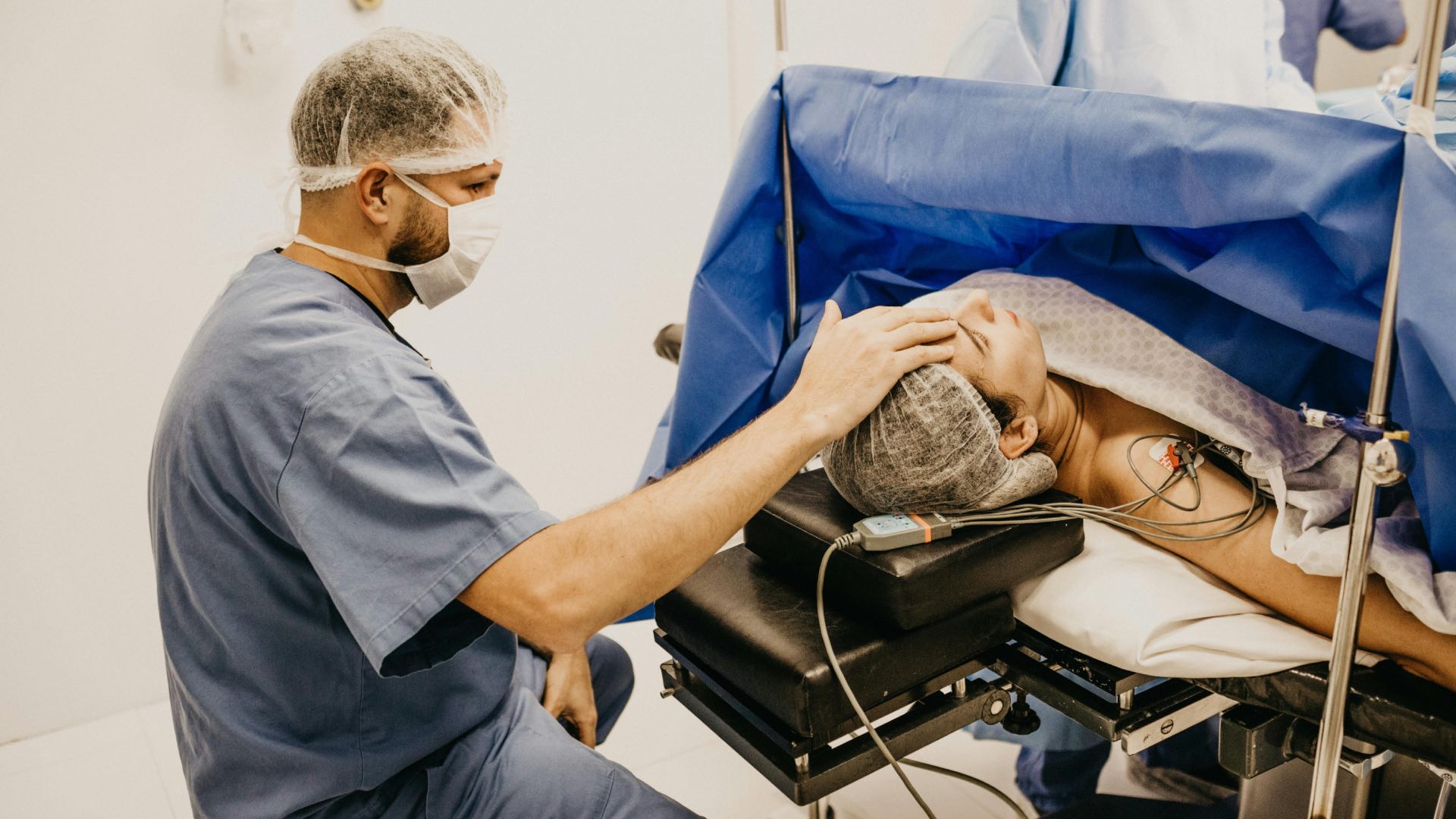
After a routine surgical procedure, Stephen Chase, a 30-year-old American man from Utah , astonished the medical staff: upon waking, he was speaking fluent Spanish. The problem: he had never studied the language of Cervantes. This rare phenomenon, documented by the American press, reignites the debate on the mysteries of the human brain and unconscious linguistic memory.
An awakening marked by the inexplicable
Stephen was 19 when he underwent his first surgery after a football injury. Upon waking, he spontaneously spoke Spanish for nearly 20 minutes before reverting to his native English. Since then, every general anesthetic seems to trigger the same scenario: a temporary return to this language he doesn't consciously master. Disturbingly, although he has never taken formal Spanish classes, Stephen grew up in a Spanish-speaking neighborhood. He believes his brain may have "recorded" sounds, words, and sentence structures without his awareness.
The brain, an unexpected library
Neurologists are describing a rare disorder known as Foreign Language Syndrome. This phenomenon sometimes occurs after a head injury, surgery, or a coma. The brain, awakened or "reprogrammed" by anesthetics, accesses previously dormant memory areas. According to Babbel Magazine, certain brain lesions or stimulations can "activate" buried language circuits, allowing a person to temporarily use a language learned passively or long forgotten.
From medical curiosity to new skill
Since that episode, Stephen has wanted to find meaning in this unexpected gift. He lived in Chile for two years, perfecting his Spanish to the point of reaching a near-native level. "It's fascinating to discover what the brain is capable of retaining without us even realizing it," he says. Today, his case is being studied by several specialists in linguistic memory and neuroplasticity, who see it as a promising avenue for understanding how languages are imprinted—and sometimes reawakened—in our neural circuits.
The story of Stephen Chase serves as a reminder that the human brain remains largely unexplored territory. Between buried memories, passive learning, and the still poorly understood mechanisms of consciousness, this fascinating case blurs the lines between nature and nurture.