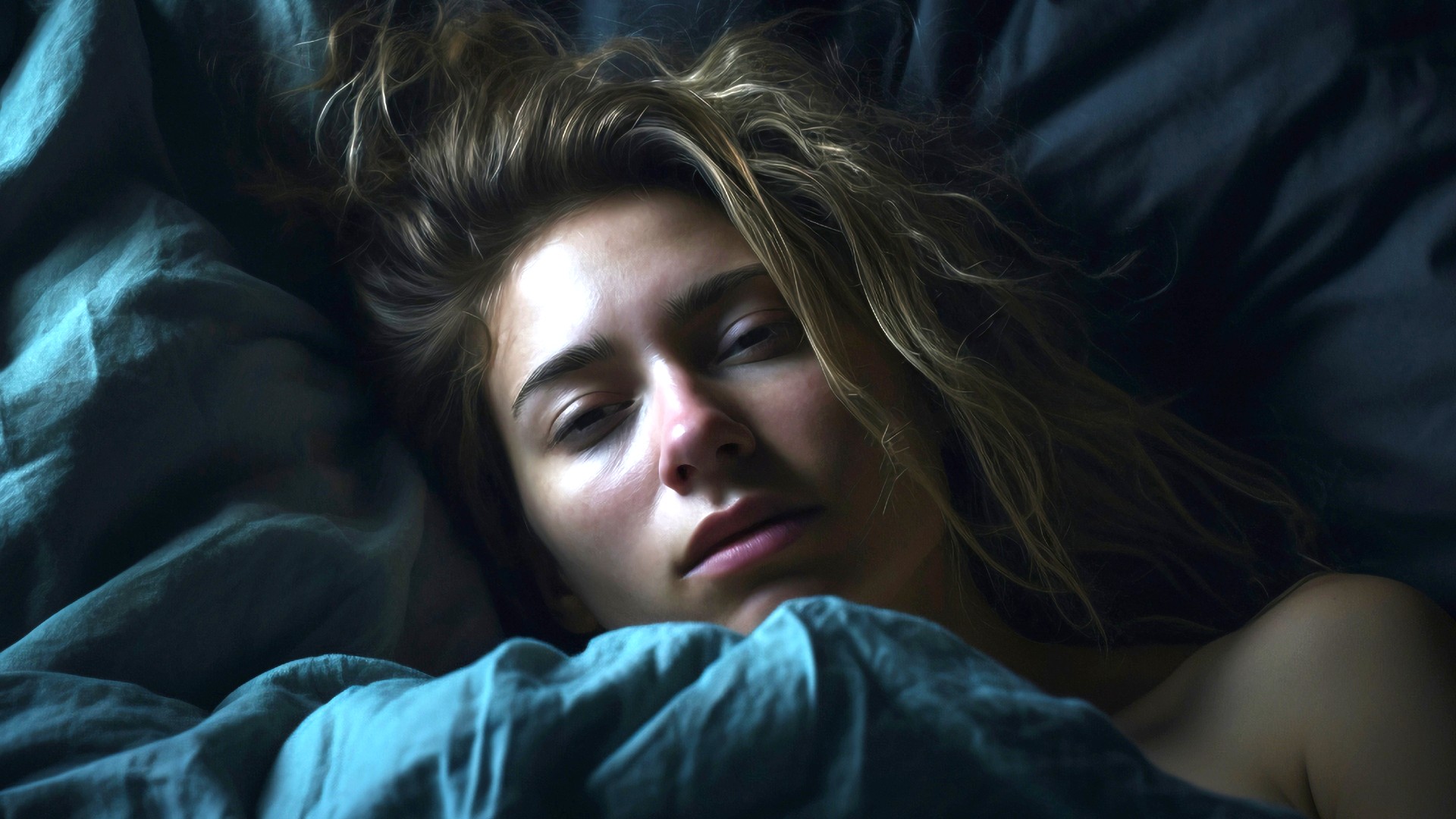
Imagine being unable to move, convinced that a menacing presence is lurking in your room. This isn't a horror movie, but sleep paralysis, a disorder that freezes nearly 30% of the world's population at least once in their lives, according to the Cleveland Clinic .
The moment suspended between dream and reality
This phenomenon occurs at the precise moment the body transitions between sleep and wakefulness. You are conscious, you can see your room, but you can't move a muscle. The sensation of chest tightness, the terrifying hallucinations (malevolent figures, spectral voices), and the panic of suffocating last from a few seconds to two minutes. A chilling experience that leaves a lasting impression.
Why is your brain paralyzing you?
During REM sleep, the brain inhibits muscle movements to prevent acting out your dreams. Sleep paralysis occurs when consciousness returns before the body is fully awake. Common culprits include sleep deprivation, erratic schedules, sleep apnea, stress, anxiety, narcolepsy, or even certain medications.
The signs that don't lie
You can neither speak nor gesture, but your eyes move. Fear dominates, sometimes accompanied by a sensation of leaving your body. More common in people aged 20-30, this disorder intensifies under stress; waking the person is usually enough to end the episode.
Breaking the vicious cycle
There's no miracle cure for a full-blown attack, but prevention is possible. So, adopt impeccable sleep hygiene: regular sleep schedules, a dark room, and no screens. Treat any underlying issues (cognitive behavioral therapy, antidepressants if needed). During an episode, focus on a small movement (like moving a finger) to help you "extract" yourself more quickly.
A single episode can trigger bedtime anxiety that ruins your subsequent nights. Be kind to yourself: post-attack fatigue and confusion are normal. If it recurs, a sleep study may reveal narcolepsy or sleep apnea.
Ultimately, sleep paralysis isn't supernatural, but it can be quite unsettling. Rest assured: this temporary blackout doesn't threaten your health, only your nighttime peace. Prioritize your sleep for peaceful awakenings.