Slow breathing, cold showers, anti-stress exercises… on social media, numerous practices now promise to “stimulate the vagus nerve” to restore calm and balance. Behind this very popular trend, however, the scientific reality is more nuanced. Between genuine benefits and marketing shortcuts, the subject is divisive.
The vagus nerve, the unsung star of the human body
The vagus nerve is a key component of your parasympathetic nervous system , which helps the body slow down, recover, and regain its balance after a period of stress. It connects the brain to several major organs, including the heart, lungs, and digestive system. It therefore plays a role in various automatic functions: heart rate, breathing, digestion, and even certain emotional responses.
In short, it's a bit like one of the body's internal communication cables. Its role in regulating stress explains why it fascinates the wellness world so much.
A real-world application… in medicine
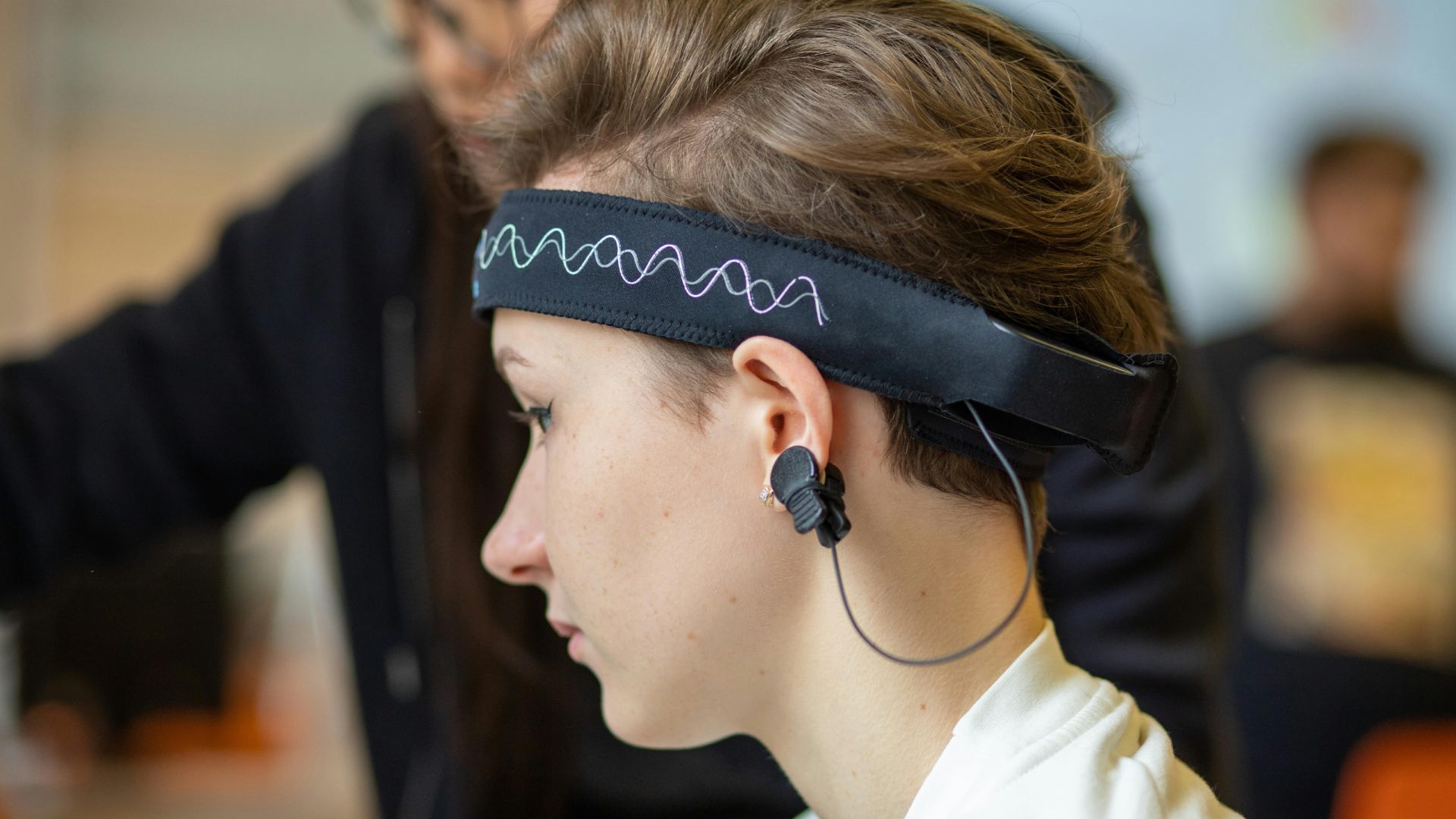
Vagus nerve stimulation didn't originate on TikTok. It has existed for a long time within a specific medical context. A technique called VNS (Vagus Nerve Stimulation) is used in certain cases of treatment-resistant epilepsy or severe depression. It generally relies on a surgically implanted device capable of sending controlled electrical impulses to the vagus nerve.
These medical uses are regulated, monitored by healthcare professionals, and supported by scientific evaluations. This is therefore far removed from the quick promises seen online.
Why social media is seizing upon it
On the internet, several methods are presented as "natural" ways to stimulate this nerve: deep breathing, singing, gurgling, meditation, exposure to cold or relaxation exercises.
Some of these practices can indeed promote a state of relaxation. For example, slow and regular breathing is being studied for its potential influence on the autonomic nervous system, notably through a reduction in perceived tension and a feeling of calm. In other words, certain techniques can be beneficial without necessarily acting dramatically or directly on the vagus nerve, as is sometimes claimed.
Why this trend is controversial
This is where experts urge caution. Much online content oversimplifies how the nervous system works. Stress, anxiety, and fatigue don't depend on "unblocking" a single nerve. They are based on numerous factors: sleep, mental workload, overall health, environment, emotions, movement, diet, and life circumstances.
Presenting vagus nerve stimulation as a "miracle cure" can therefore create false hopes or divert people from more appropriate treatments. Experts also point out that a feeling of well-being after a breathing exercise or a moment of relaxation does not necessarily mean that the vagus nerve has been measurably "activated."
An interesting lead, not a magic wand
Scientific research continues to explore the role of the autonomic nervous system in stress management and certain physiological functions. The subject is serious and deserves the attention it receives. However, this does not mean that all viral methods are validated, nor that their effects are the same for everyone.
Some people feel calmer through slow breathing or relaxation, others less so. And that's perfectly normal: each body has its own way of functioning, its own rhythm, and its own sensitivity.
In summary, this vagus nerve stimulation illustrates the growing interest in wellness approaches related to stress and emotional balance. Yes, the vagus nerve plays a real role in the body. Yes, certain practices like breathing or relaxation can be beneficial. However, no, it is not a "secret button" to activate to solve all problems.