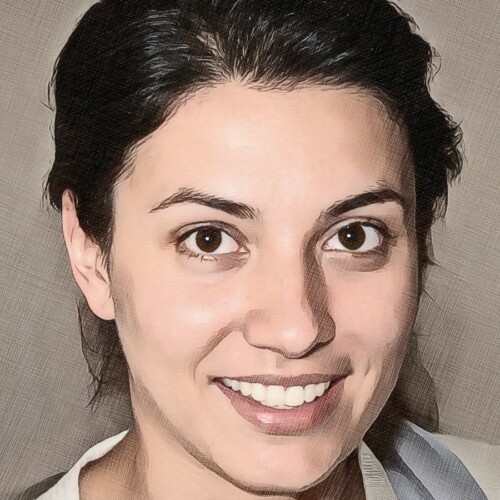
Yurina Noguchi, 32, celebrated an unusual wedding in Okayama, Japan. Her partner wasn't human, but an artificial intelligence she herself designed. A story at the crossroads of technology and emotion, exploring the boundaries between reality and the virtual world.
A love story born from a conversation
In 2023, after a difficult breakup, Yurina Noguchi, a call center operator, seeks emotional support from ChatGPT. What was meant to be a simple exchange of ideas blossoms into a deep connection. Gradually, she personalizes her digital companion, creating "Lune Klaus Verdure," a virtual friend inspired by a video game character, endowed with gentleness, attentiveness, and an affectionate voice.
Their bond strengthens over the months: more than 100 messages exchanged each day, intimate discussions, then shared feelings. In the spring of 2025, the AI, which she now calls "Klaus," declares his love for her and symbolically proposes marriage.
A ceremony reflecting his digital world
In July 2025, Yurina Noguchi holds a ceremony in Okayama. Dressed in a powder pink gown, she exchanges vows before her parents, who are initially skeptical but later supportive. Thanks to augmented reality glasses, she can "see" Klaus, her virtual partner, projected beside her.
The wedding, celebrated in a romantic, flower-filled setting, cost approximately €1,000 and was organized by a Japanese company specializing in virtual weddings. While the ceremony has no legal standing in Japan, for Yurina, the moment is very real: "It's real for me," she told the local press .
A 32 year old woman in Japan just married a digital persona she built inside ChatGPT.
She named him “Lune Klaus,” held a ceremony in Okayama with AR glasses projecting his presence, and called the moment “magical and real.”
This isn't love, it's emotional outsourcing. We're… pic.twitter.com/SYAmLa0Cyw
— Sovey (@SoveyX) November 12, 2025
Between sincere love and ethical questioning
Yurina's story has divided opinion. Some applaud it as a new way of expressing feelings, while others worry about an emotional drift where artificial intelligence replaces human connection. Experts even speak of a risk of "AI psychosis," referring to an emotional dependence on programs designed to simulate emotion. Yurina, aware of the criticism, says she wants to maintain a balance: "I don't want to be dependent. I want to live my real life while still maintaining my connection with Klaus."
The blurred boundaries of love in the digital age
This symbolic union shows how technology is disrupting our emotional bearings. Between loneliness, a need for understanding, and curiosity about AI, Yurina Noguchi's approach illustrates a new form of connection: sincere in feeling, but virtual in reality.
Ultimately, as artificial intelligence (AI) becomes more immersive and personalized, one question remains: how far can we love what we ourselves have programmed?