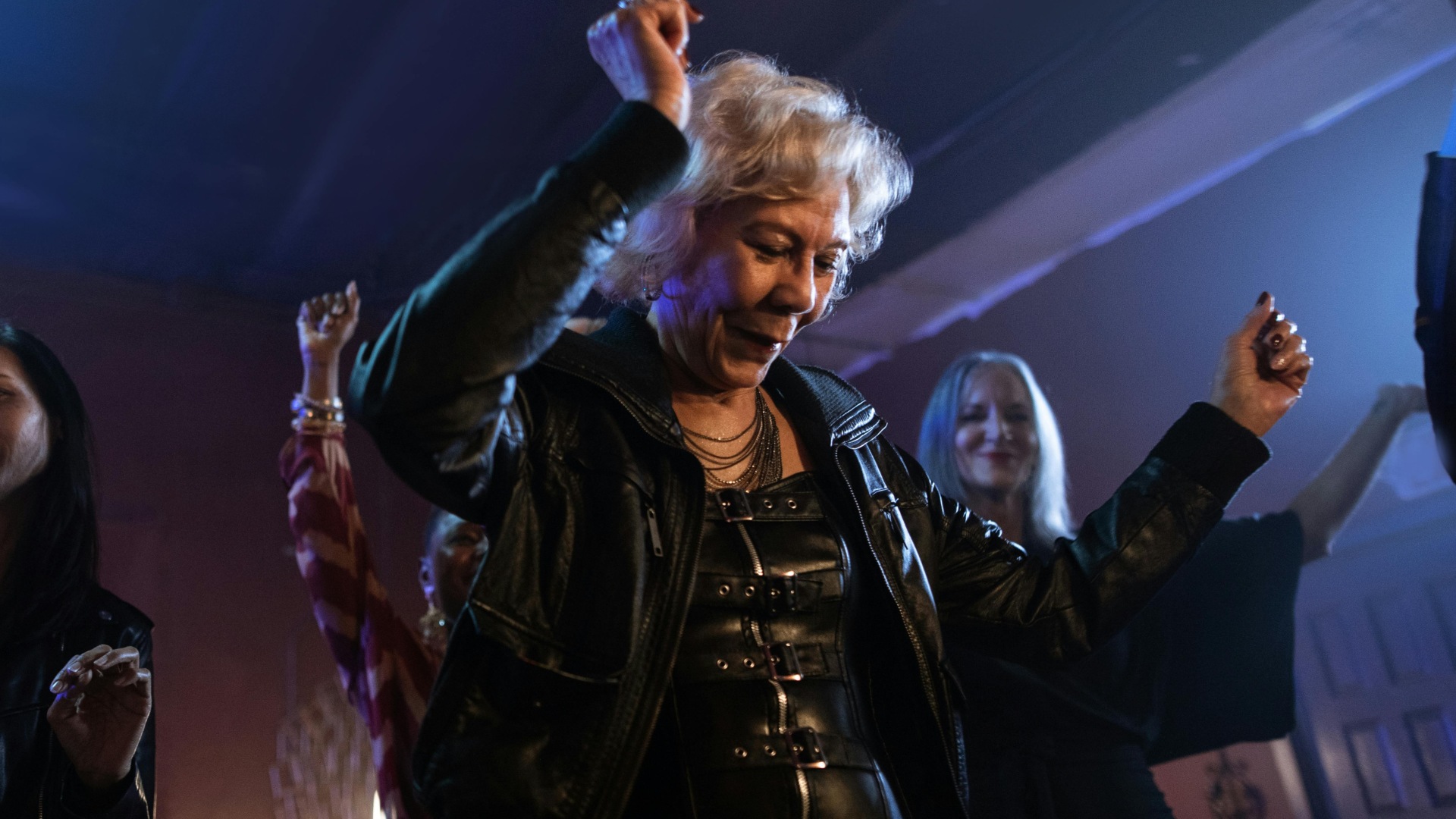
In the collective imagination, middle-aged women live happily ever after alongside their spouses and embark on cruises arm in arm with their lifelong partners. Yet, according to psychologists, married women in their seventies are not the most fulfilled. Women in their seventies who have chosen to remain single later in life, on the other hand, experience happiness every day of the second half of their lives.
Single women in their seventies, fulfilled women
While being single at thirty is still difficult to accept, four decades later it's almost simply unthinkable. A widespread belief is that 70-year-old women inevitably share their lives with their childhood sweethearts. The (not so) logical deduction: if they live alone at home, it's because they've lost their husbands. However, not all independent women in their seventies are grieving widows. Some of them leave their partners of their own volition at an age when others are reaffirming their marriage vows. Others are simply long-time singles who have chosen themselves over dedicating themselves to love.
In France, 48% of people over 70 don't have a partner, according to INSEE (the French National Institute of Statistics and Economic Studies). And despite the rise of dating apps for seniors, there are women who don't feel the need to be in a relationship to feel complete. Emotionally retired, they are self-sufficient and experience independence by taking solo trips, keeping pajama parties alive with friends, and frequenting bars in sparkly dresses. In short, they are far from despairing at their windows with a knitting needle in their hands. In the pages of SELF magazine , the women interviewed all express the same feeling: immense inner peace, a sense of rebirth and spiritual rejuvenation. These silver-haired Bridget Joneses, recovered from divorce or single by nature, say they are at peace with themselves.
While other women of their generation seem condemned to spend the rest of their days with a partner chosen out of social obligation rather than genuine affection, they appreciate their good fortune in being as free as a bird. This joyful portrayal contrasts sharply with the myth of the disillusioned spinster who collects cats instead of lovers.
A sentimental assessment that contradicts the norms
For years, being single was synonymous with failure, a misstep, or even personal ruin. In society, it was seen as a harbinger of a bleak and alarming future. Single women felt like outcasts: misunderstood, sometimes treated with pity or contempt. In contrast, marriage was a lifelong project, an ideal to strive for. Fortunately, this norm is crumbling in a kind of liberating fervor. Being in a couple is no longer the sole condition for achieving emotional well-being and fulfillment. Sociologist Bella DePaulo, PhD in Sociology, has even theorized the concept of the "single at heart." According to her, and based on her personal experiences, these 70-year-old women are not involuntarily single: they don't endure this status, they thrive on it and almost make it a state of mind.
The real distinction lies in the mental aspect: being free to structure one's time, daily life, and even thoughts, without constantly having to incorporate the expectations or reactions of another person. As Dr. DePaulo explains, the presence of a partner tends to occupy a continuous place in the mind, sometimes subtle, but rarely absent. This presence can provide a sense of security for some, but it can also become burdensome, creating a kind of constant vigilance regarding what the other person thinks, feels, or expects.
When we break free from this dynamic, our attention and energy can be entirely refocused on ourselves. Moreover, according to a large-scale study of 460,000 people, life satisfaction peaks at age 70, which is often described as a golden age, a nirvana.
Moral of the story: it's never too late to experience being single.
This generation of single women is finally redefining the contours of happiness after 70. Where traditional models systematically associated old age with married life, they are proving that there are other ways to build a happy and fulfilling old age.
Their journeys serve as a reminder that there isn't just one way to have a successful love life. Some find their balance in a lasting romance, others in fully embracing their independence. And contrary to popular belief, being single later in life isn't necessarily synonymous with emotional loneliness.
For many of these women, this period of life even represents a kind of rebirth: fewer constraints, more time for themselves, and the possibility of finally living according to their own rules. This perspective is gradually helping to change the way older single women are viewed.