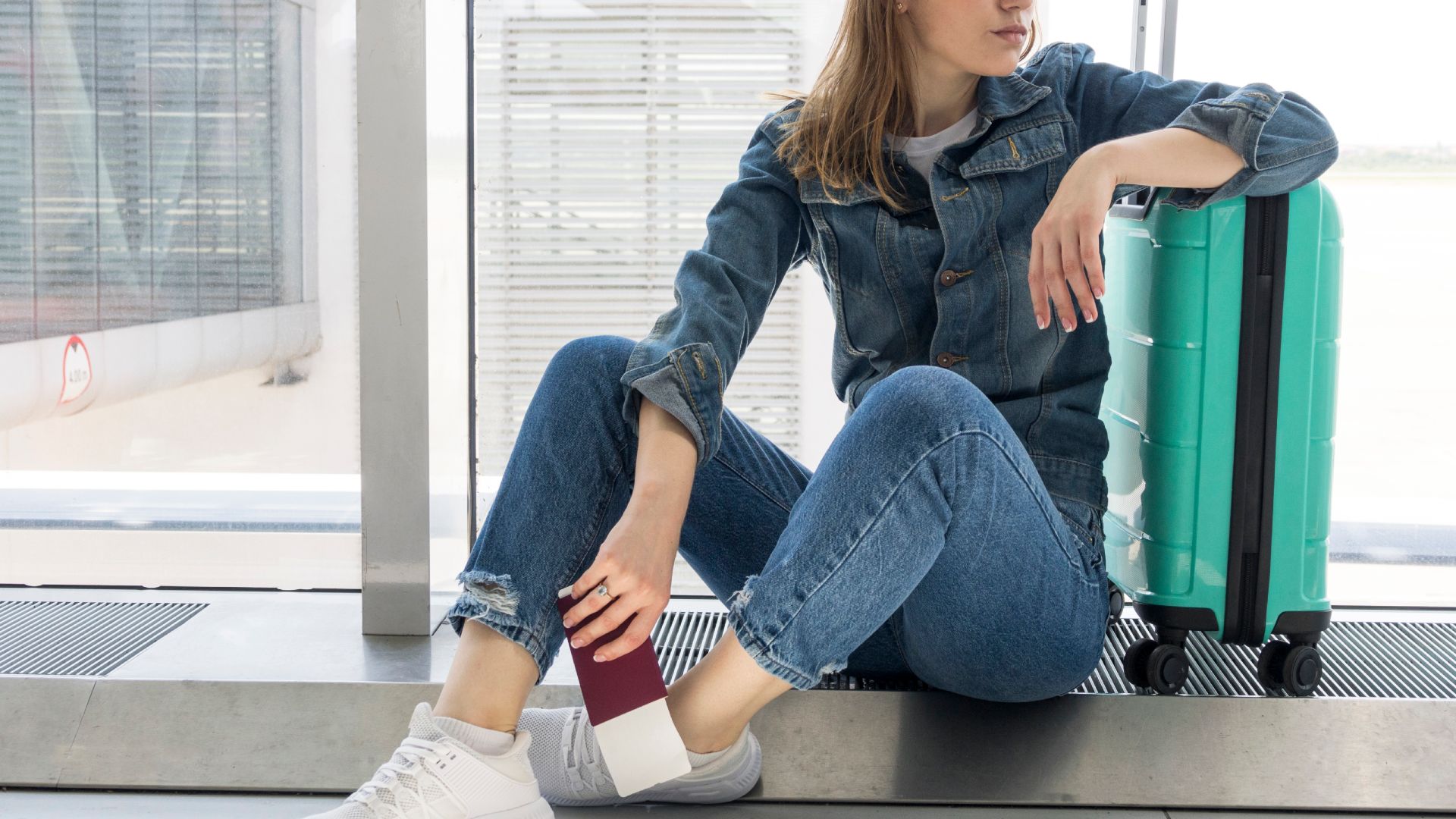
When it comes to flying, most passengers prioritize comfort. However, according to flight attendants, certain outfits should be avoided, as they can cause problems in emergencies, during temperature changes, or simply for hygiene reasons. Here's why they recommend never wearing certain clothes on board.
Tight clothing is the enemy of circulation
Skinny jeans, very tight pants, or extremely tight leggings are far from ideal at 10,000 meters. They compress the waist and legs, promote swelling, and can increase the risk of poor blood circulation, or even deep vein thrombosis on long flights. Flight attendants therefore recommend loose, comfortable clothing, such as jogging pants or flowing trousers, to remain comfortable while seated for several hours and minimize cramps and discomfort.
Shorts, short skirts and jumpsuits: a false bargain
Another item of clothing to avoid: shorts, mini-skirts, or very short dresses. Being directly exposed to the seat means you come into direct contact with surfaces that are rarely thoroughly disinfected, increasing your exposure to bacteria and fungi present on fabrics and armrests. The same problem exists in cramped restrooms where the floor and walls are often unhygienic. Jumpsuits, on the other hand, present a practical problem: difficult to remove in small restrooms, they risk touching the dirty floor and dragging on it, which cabin crew strongly advise against.
Flammable materials, synthetic leggings, and risks during evacuation
Beyond comfort, flight attendants and safety experts remind us that certain fabrics are dangerous in the event of a fire or emergency evacuation. Leggings made of polyester, nylon, or acrylic, as well as fringed clothing or garments made of highly flammable materials, can melt onto the skin when exposed to intense heat and cause severe burns. They recommend natural fibers such as cotton, wool, or linen, which offer better thermal protection and minimize damage in the event of an incident.
Sandals, flip-flops and heels: a risk for your feet
Open sandals, flip-flops, and stilettos are a definite no-go for cabin crew. Firstly, because they don't protect against the cabin's cold, and secondly, because they significantly hinder a quick evacuation via emergency slides or metal stairs. Flight attendants therefore recommend closed, stable shoes that are easy to remove and replace at security checkpoints, such as sneakers or loafers, so that passengers can walk, run, or descend a slide without getting hurt.
In summary, aviation professionals recommend clothing that is covering, comfortable, and practical. The idea is to keep in mind hygiene, safety, and the reality of a sometimes unpredictable environment. Choosing what to wear on a plane is therefore not just about looks: it's also a real act of protection for your body… and a way to make the flight more pleasant, from takeoff to landing.