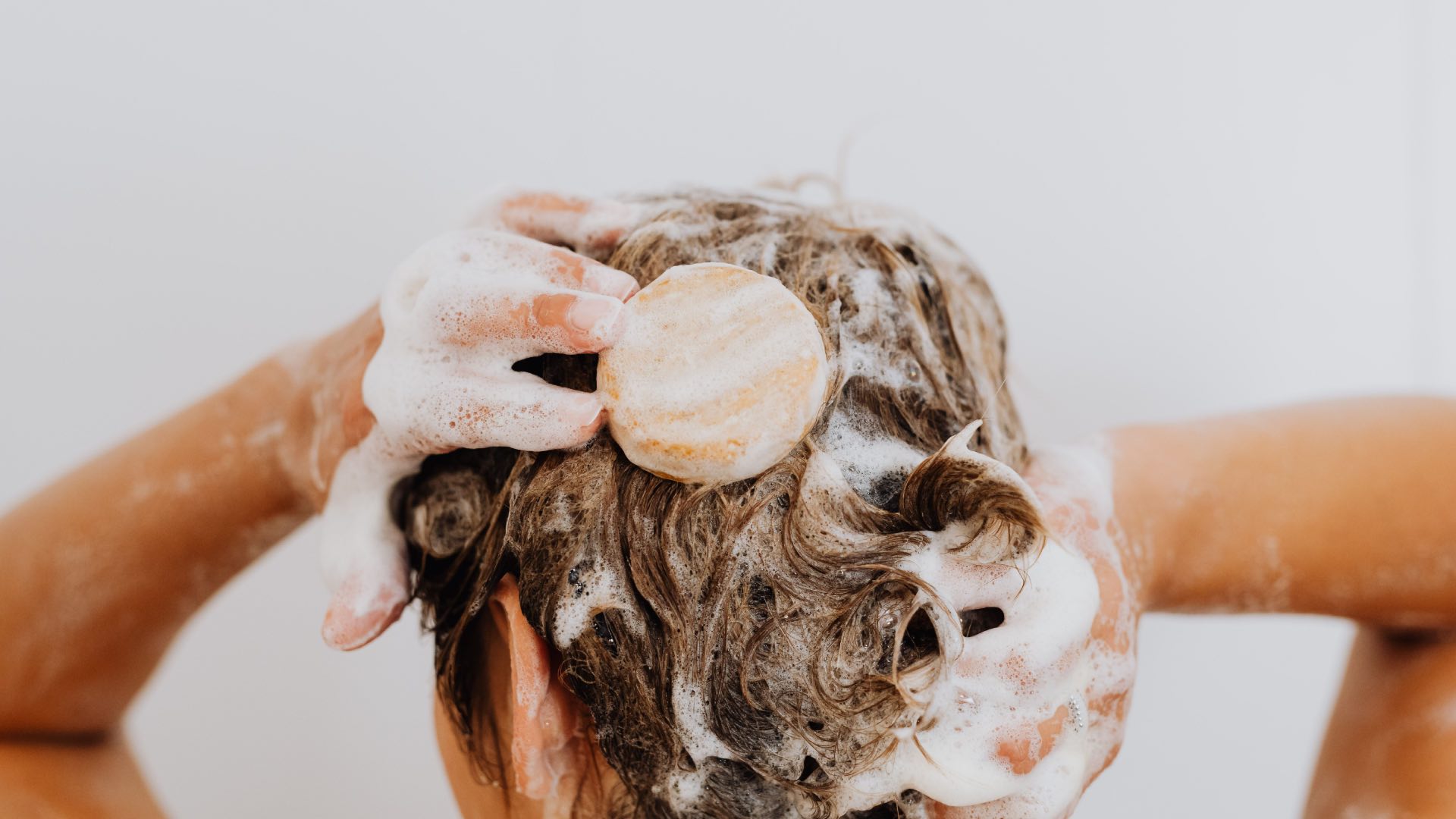
Does your hair already look greasy the day after shampooing? Don't worry, you're far from alone. While this can be frustrating, it's very common and often explained by several everyday factors. The good news is that better understanding your scalp allows you to make more informed choices… or simply accept your natural hair without feeling guilty.
Sebum is not your enemy
Sebum sometimes gets a bad rap, even though it's essential. Naturally produced by the scalp, it protects hair from dryness and external aggressors. However, when it's produced in excess, the roots appear heavier and shinier. This overproduction, called seborrhea, is more common than you might think.
Habits that perpetuate the vicious cycle
Washing your hair every day might seem like the best solution… but it can have the opposite effect. When cleansed too intensely, the scalp tries to compensate by producing more sebum. The choice of shampoo also matters. Harsh formulas can unbalance the scalp, while very rich treatments applied to the roots tend to weigh them down more quickly. Ideally, use a gentle shampoo, with masks and conditioners reserved for the lengths of your hair.
Water, hormones, and stress also play a role.
It's rarely considered, but very hard water can leave residues that weigh hair down. A final rinse with filtered or slightly vinegared water can sometimes make all the difference.
Hormonal variations also influence sebum production. Puberty, menstrual cycles, pregnancy, menopause, or contraception can alter the balance of the scalp, sometimes only temporarily.
Stress can also stimulate the sebaceous glands. That's why taking care of your well-being, getting enough sleep, or engaging in relaxing activities can have a positive impact on hair health.
These small gestures that we underestimate
Regularly running your fingers through your hair, tucking a strand back into place, or playing with its lengths naturally transfers the oils from your fingers to the roots. Caps, beanies, helmets, or very tight hairstyles can also keep the scalp in a warmer, less ventilated environment, which sometimes promotes sebum production.
Pollution, heat and food: factors not to be forgotten
Pollution, high-temperature heat styling tools, and certain hair products can quickly weigh down hair. Diet also plays a role. A high consumption of ultra-processed foods, sugars, or saturated fats can contribute to imbalances. Conversely, a varied diet rich in omega-3 fatty acids, zinc, B vitamins, and antioxidants helps maintain a healthy scalp.
What if your hair was simply… your hair?
Having oily hair, dandruff, or a sebaceous scalp is neither a sign of poor hygiene nor a flaw. These are simply natural characteristics that can change throughout life. Your hair is simply expressing its function, nothing more. If this bothers you, there are solutions, and a few adjustments may be enough to improve the situation. But if it doesn't bother you, you have no reason to be ashamed. Accepting your hair's natural texture is also part of a more peaceful relationship with your self-image.
When should you seek the advice of a specialist?
If your hair becomes excessively oily despite following a suitable routine, or if this is accompanied by itching, oily dandruff, or other symptoms, a consultation with a dermatologist may be helpful. Certain situations require a precise diagnosis to rule out hormonal imbalances, significant seborrhea, or scalp conditions.
Ultimately, hair that gets greasy quickly is often the result of several combined factors rather than a single cause. Understanding this better allows you to adapt your routine if you feel the need… or to make peace with your hair's natural state, without pressure or self-consciousness.