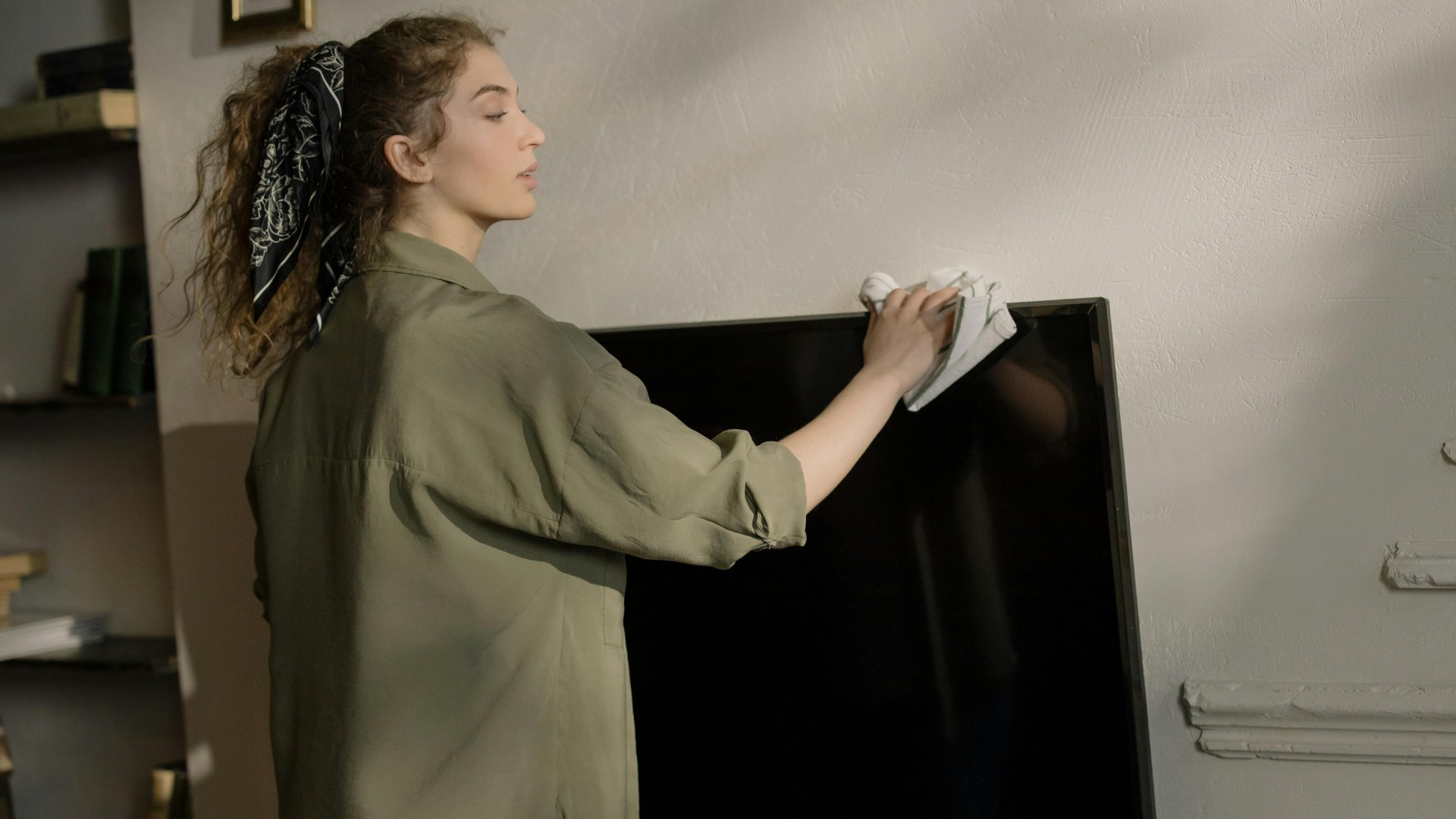
In a home, some objects give the impression of being spotless. Yet, behind their clean appearance, dust, bacteria, and invisible residues can sometimes lurk. Handled daily, these everyday items can become veritable breeding grounds for germs… especially when they slip under the radar of cleaning.
The kitchen sponge, champion of bacteria
If you had to name the most microbial-laden object in a house, the kitchen sponge would very often come out on top. A study published in 2017 in the scientific journal Scientific Reports showed that these small everyday items can contain up to 54 billion bacterial cells per cubic centimeter. Yes, you read that right.
Researchers identified over a hundred different bacterial species in the sponges they studied. The explanation is simple: constant humidity, food scraps, and room temperature create an ideal environment for microbial growth. This doesn't mean your kitchen is a worrying laboratory, but replacing the sponge weekly or disinfecting it regularly (for example, in the microwave or in very hot water) can make all the difference.
Dishcloths, those forgotten household items
Right next to the sponge, kitchen towels also deserve your attention. Used for drying hands, dishes, or sometimes the worktop, they easily accumulate bacteria and food residue. Some studies have shown that they can harbor bacteria such as coliforms or even salmonella if they are not washed often enough. The best practice is to wash them at a high temperature, around 60°C. This simple step allows you to start fresh with a clean and healthy base.
Remote controls and keyboards: the kings of germs
Another category of objects that appear clean but live a very different reality: remote controls, keyboards, and smartphones. These devices are passed from hand to hand throughout the day. As a result, they accumulate crumbs, fingerprints, dust, sweat, and bacteria.
Studies even show that some phones can harbor up to ten times more bacteria than a toilet seat. This puts the glossy appearance of your screen into perspective. A quick cleaning once a week with a slightly alcohol-soaked cloth or a cotton swab for hard-to-reach areas can be enough to limit buildup.
Handles and switches: the often-overlooked
In the category of frequently touched but rarely cleaned objects, door handles, light switches, and faucets easily take the prize. You handle them dozens of times every day, sometimes with slightly damp hands or after cooking. Yet, they aren't always on the list of surfaces to clean.
Refrigerator and microwave handles are particularly affected, as they are frequently used during meal preparation. A cloth dampened with diluted white vinegar allows for quick cleaning, leaving a shiny surface.
Even in the bathroom, surprises exist.
The bathroom is no exception. Toothbrushes and their holders can also accumulate limescale, moisture, and toothpaste residue. After use, a toothbrush can harbor millions of bacteria. Nothing alarming, but a few simple steps can limit their presence: let it air dry completely and replace it regularly. Pillows, meanwhile, accumulate skin cells, dust, and dust mites over time. Changing pillowcases frequently and replacing pillows occasionally helps maintain a healthier environment.
A clean house… without excessive pressure
The good news is that you don't need to turn your home into a sterile laboratory. Houses are living spaces, just like the people who live in them. The goal isn't "perfection," but targeted cleaning of the most frequently handled items. A quick weekly cleaning of these areas can significantly reduce the accumulation of invisible dirt.
In short: a few simple steps are all it takes to keep your home pleasant, without guilt or an obsession with cleaning. Because a welcoming home, like the people who live in it, deserves above all kindness and balance.