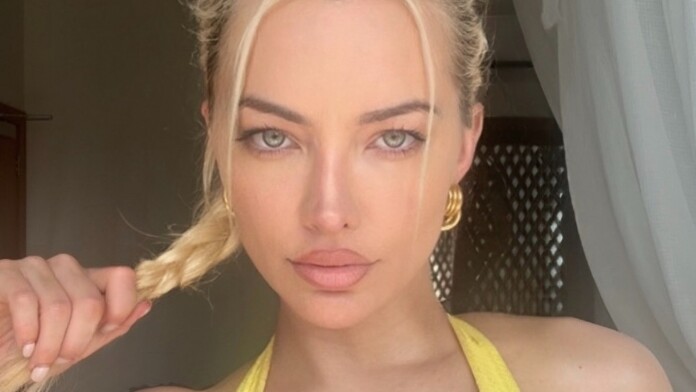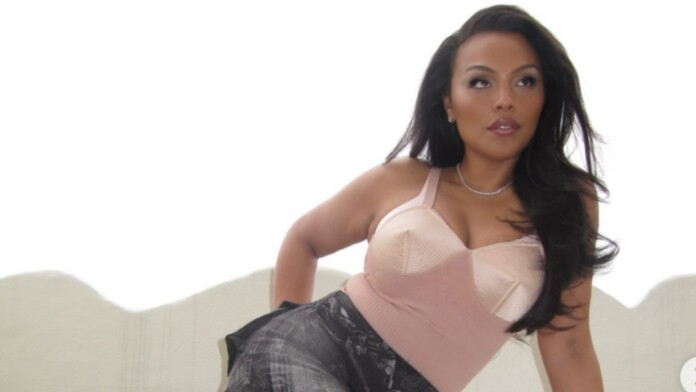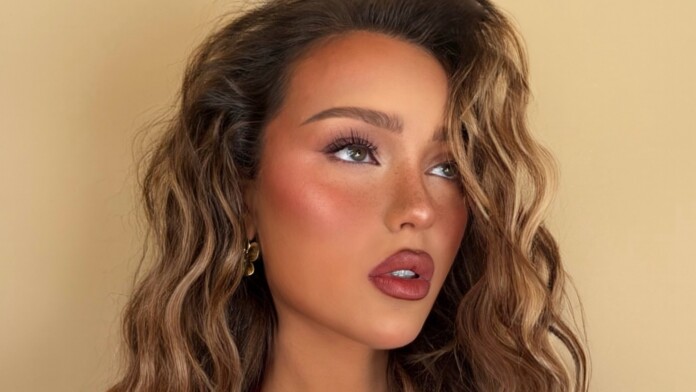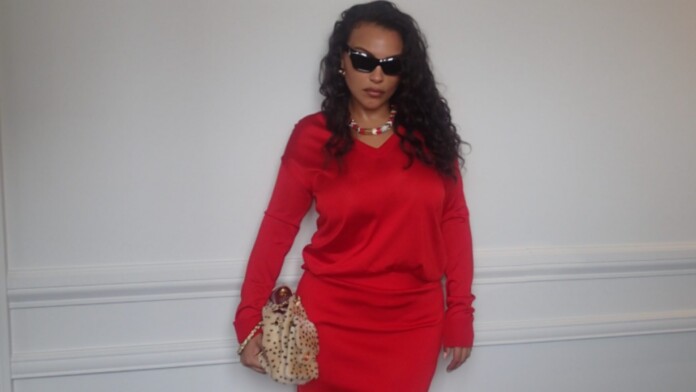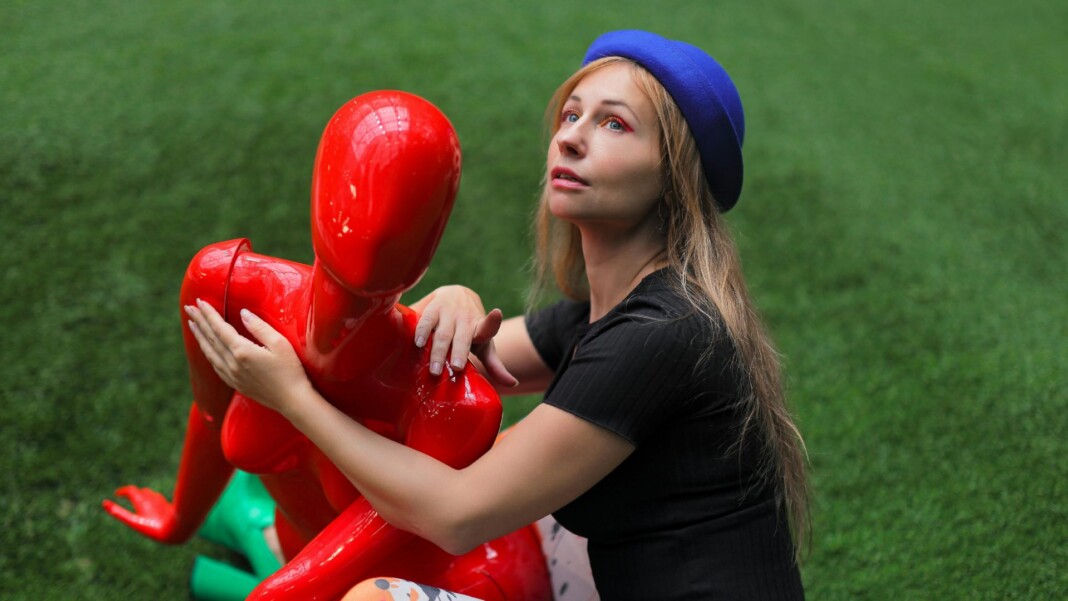
The fashion shows continue to inspire dreams, the campaigns remain "impeccable." Yet, behind the scenes, the modeling industry is undergoing a profound transformation. Between new technologies, economic shifts, and evolving casting practices, the profession is changing its face… and not always to the benefit of the models.
The meteoric rise of virtual models
In just a few years, a new player has emerged: the AI-generated model . This market, virtually nonexistent until recently, is now experiencing spectacular growth and is already worth several hundred million dollars. For brands, these digital avatars are no longer a mere gimmick. They are becoming a credible alternative to human models, capable of posing without time, travel, or logistical constraints. A silent but structural transformation.
Behind this evolution lies a very concrete reality: cost. A fully digital campaign can reduce expenses by 30 to 70% compared to a traditional photoshoot. In a sector subject to price pressures, inflation, and competition from e-commerce, this advantage carries significant weight. As a result, even mid-range and high-end brands are beginning to integrate these solutions, where they were once reserved for fast fashion. Little by little, human interaction is no longer always essential to selling clothing.

A system that was already fragile to begin with.
This crisis, however, did not begin with artificial intelligence. The modeling industry has long relied on a highly selective, even unequal, model. Agencies may sign hundreds, sometimes thousands, of profiles, hoping that only a few will land major contracts. A minority manage to make a comfortable living from this profession, while many take on a series of temporary and precarious assignments .
The casting process itself is ultra-competitive: hundreds of applicants for just a few spots. A system that leaves little room for maneuver, even before the arrival of new forms of competition.
Ever-wider competition
Globalization has also reshaped the rules of the game. Today, models come from all over the world, with a far richer diversity of bodies, faces, and identities than ever before. This is a positive step forward in terms of representation and body positivity: more body types, more unique features, more stories to tell. This openness has also intensified competition, without a corresponding increase in the number of opportunities. More talent, but a limited amount of work.
Influencers and heirs: new faces in the spotlight
Another major shift: brands are no longer choosing only professional models. They are increasingly turning to influencers, who can provide immediate visibility thanks to their community.
"Nepo babies," the children of celebrities, are also playing an increasingly prominent role in advertising campaigns. Their fame is becoming a marketing tool, sometimes more decisive than experience or career path. The result: opportunities that elude traditional models.
Unrealistic beauty standards
With virtual models comes a new type of beauty: perfectly smooth, entirely modeled. Some experts even speak of a "meta-face," a digital ideal impossible to reproduce in reality. These images influence expectations, including in real life. Healthcare professionals observe that some people now refer to these artificial visuals as role models.


In contrast, real bodies—with their texture, their uniqueness, their authenticity—may seem unfairly pitted against each other. Yet, it is precisely these unique identities that give strength and meaning to human images.
A profession that is still poorly protected
Finally, the legal framework is struggling to keep up. Some models are being offered the opportunity to create a digital version of their body, usable indefinitely. But who controls this image? Who profits from it? These questions often remain unclear. Yet, modeling was based precisely on the scarcity and control of one's image. With these digital twins, this model is fundamentally challenged.
In short, between technological innovation, new marketing strategies, and evolving standards, the modeling industry is undergoing profound reorganization. In this context, one thing remains essential: remembering that real bodies, in all their diversity, presence, and energy, are irreplaceable. They tell stories that digital perfection can never fully replicate.