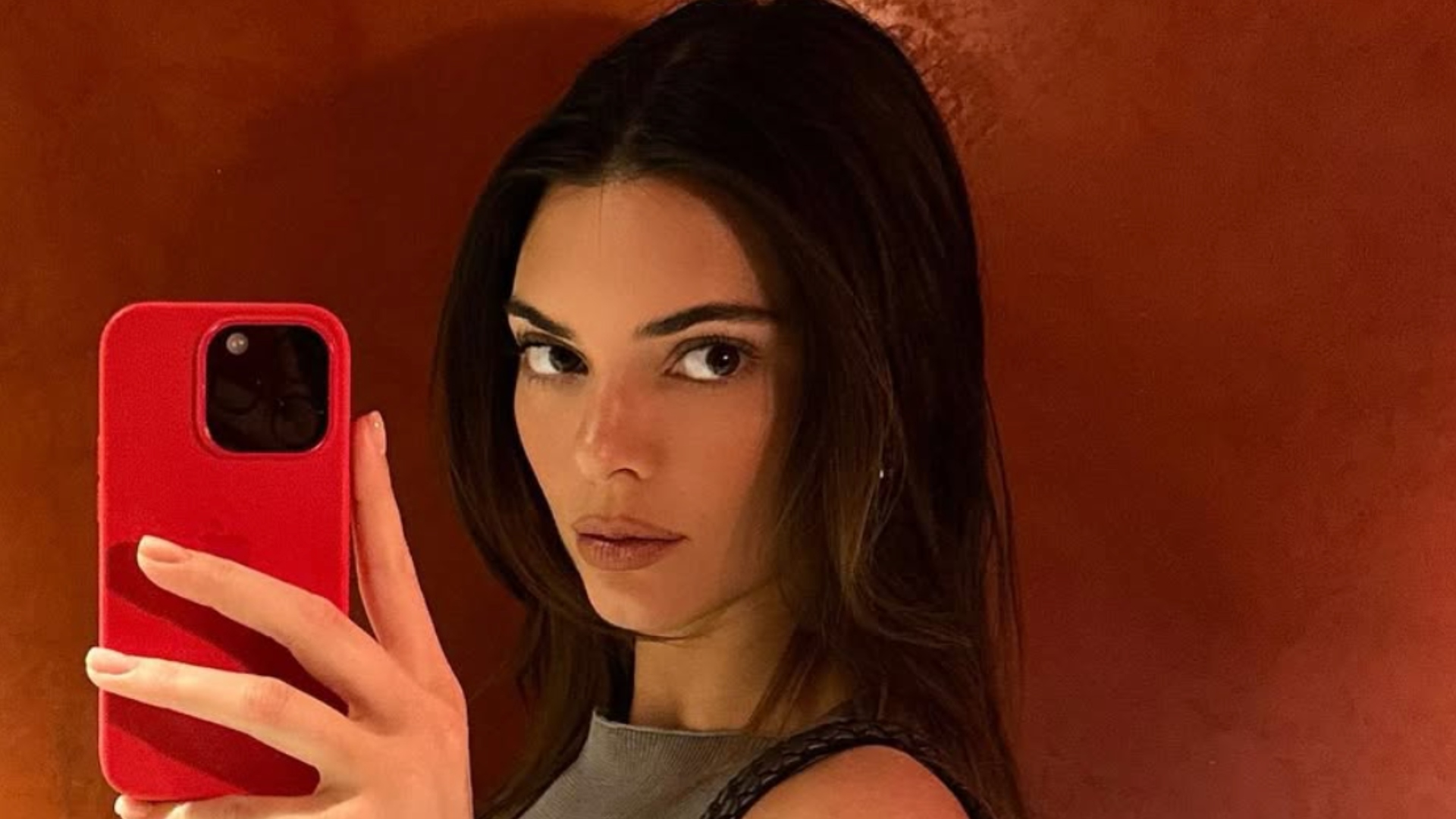
Kendall Jenner claims to have never had facial plastic surgery, admitting only to two "baby Botox" sessions, but this "partial truth" stance has deeply divided fans on social media. Some believe her and emphasize her right to privacy, while others see it as a form of denial that perpetuates unattainable beauty standards.
What Kendall Jenner really says
In the podcast In Your Dreams with Owen Thiele, Kendall Jenner insists she hasn't had "any plastic surgery" on her face and reiterates that the only things she's had done are "two rounds of baby Botox on her forehead." She adds that she has turned to skin regeneration treatments like PRP (platelet-rich plasma), presented as a "treatment for acne scars and skin texture," and not as major surgery.
Why part of the internet doesn't believe it
No sooner had her statements been released than internet users unearthed before-and-after comparisons, pointing out changes in her nose, lips, cheekbones, and jaw that they deemed difficult to explain solely by puberty, makeup, or camera angle. Some doctors and social media content creators even published detailed analyses of her face over the years, fueling a climate of suspicion despite the lack of publicly available medical evidence.
— Why women get Ls (@ywomendeservles) January 10, 2026
The weight of the Kardashian-Jenner legacy
The distrust also stems from the family's history: Kylie Jenner long swore her lips were solely due to makeup before admitting to using fillers, and other members of the clan have acknowledged certain cosmetic procedures after years of denial. In this context, Kendall's stance as the "natural exception" within the clan clashes with an internet culture weary of half-truths and highly attuned to the dissonance between words and images.
A question of transparency rather than of the scalpel
Many comments remind us that it's not so much the use of aesthetics that's shocking, but rather the refusal to acknowledge it, even though its image perpetuates an ideal of beauty presented as "natural." For young people who compare their reflection to that of supposedly "unblemished" celebrities, this ambiguity reinforces the idea that a standard face should magically evolve without assistance, thus increasing pressure and insecurities.
A debate between the right to privacy and the responsibility of an influencer
Kendall's supporters point out that she has no obligation to disclose her medical choices and that she has the right to set her own boundaries, especially in the face of aggressive scrutiny. Her detractors, on the other hand, believe that such a massive influence, particularly among a young audience, implies a responsibility to be honest about the concrete means behind a "perfect" image.
Ultimately, the controversy surrounding Kendall Jenner goes beyond the simple question of whether or not she has had cosmetic surgery. It reveals a broader divide between a celebrity's legitimate right to privacy and the real impact of their pronouncements on millions of people exposed to idealized beauty standards. And this debate demonstrates above all that, in the age of social media, transparency is no longer just a personal matter, but a cultural and symbolic issue.