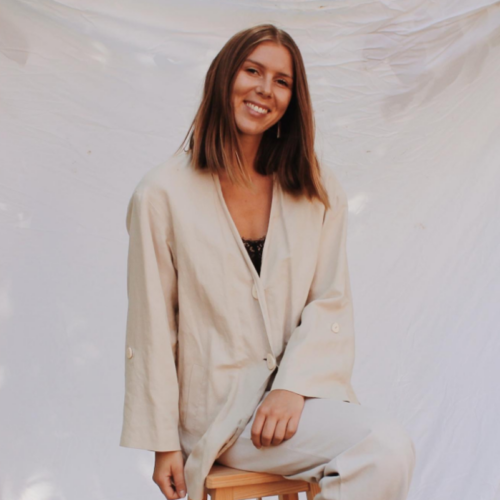
A contestant on the 17th season of Top Chef, Léa Vautier Lecointre, a chef with a taste for the sea, created some truly memorable dishes on set. Behind the scenes, she was busy preparing food for her four-month-old baby, pumping breast milk between challenges. An ambassador for seafood cuisine, but also for parenthood, she juggled pots and pans and breast pumps throughout the culinary competition.
Life doesn't stop after having a child, and this chef proves it.
After giving birth, mothers have a few months to recover from the emotional experience. They take advantage of this time to familiarize themselves with their new daily routine, get to know the little one in their womb, and regain the energy lost during contractions. Léa Vautier Lecointre, for her part, quickly traded her maternity gown for a maternity apron, which feels almost like a second skin.
The 27-year-old chef, daughter of a fisherman, had barely returned home to the Arcachon Basin before heading back to Paris to audition for Top Chef. Two weeks after giving birth to her second child, she was proving herself behind the gleaming stoves of the hit show. "At that point, I didn't yet know how I was going to do it. Just that I was going to do it," she said on social media with the typical composure of someone from the coast.
The young woman, who champions local expertise and whose cuisine is characterized by its seafood, a blend of sea foam and vegetables, was selected by the jury. And with her unique signature style, which gastronomic purists would call unconventional, she immediately captivated palates. However, away from the spotlight, this mother of two had another family to feed besides the kitchen brigade. "One challenge wasn't enough; I had to add the challenge of pumping breast milk," she confided to the Eden Stories podcast.
View this post on Instagram
Breastfeeding during work: a reality that is still too rarely defended.
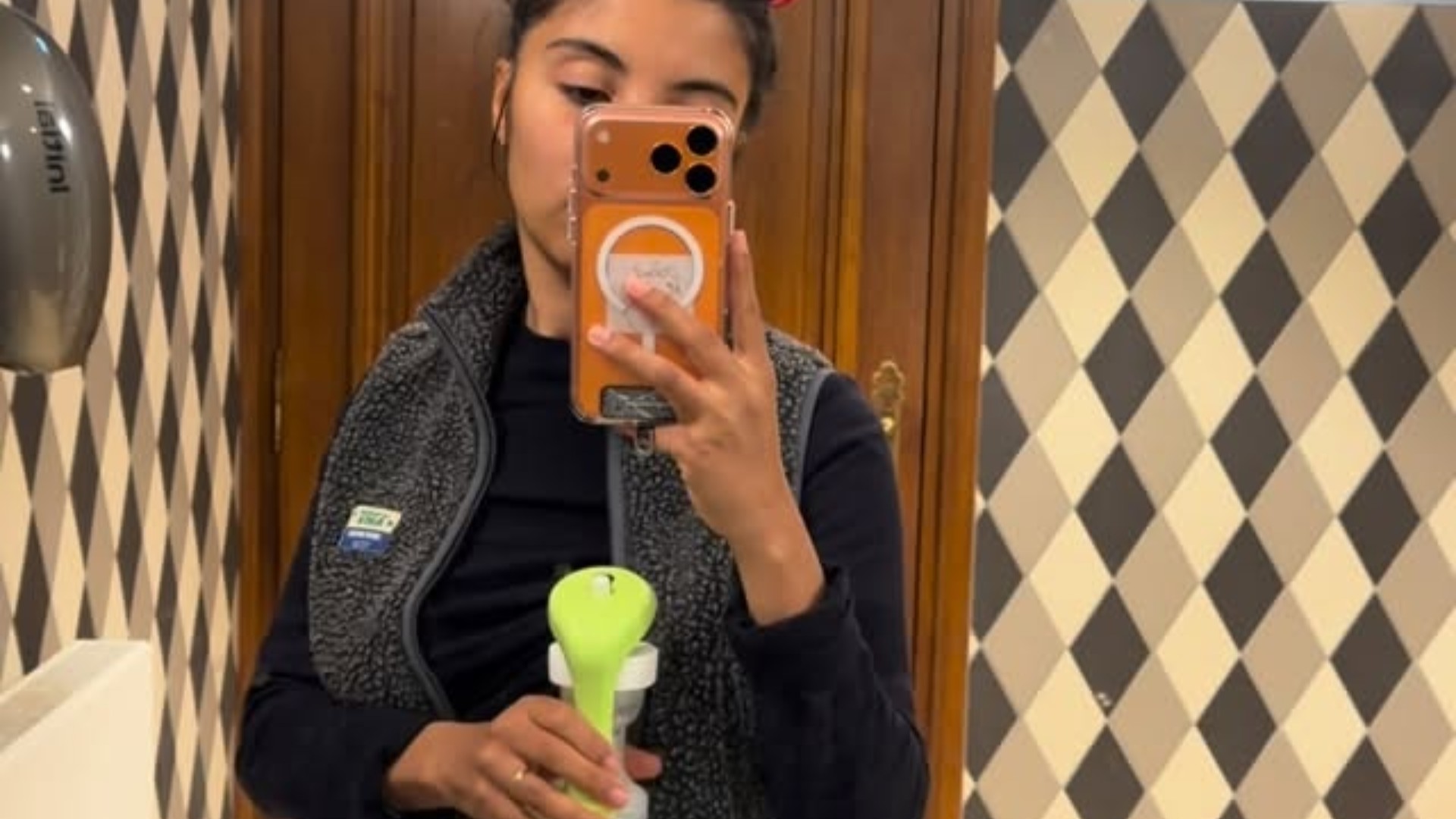
During the timed challenges, nothing seemed to disrupt this chef's creativity, inspired by the seasonal baskets and the ingredients with claws or scales. The native of the Arcachon Basin, lulled by the sea's swell, faced an additional challenge. She had to put down her utensils to slip away to the restroom and replenish her baby's milk supply. In fact, she shared a clip of this breastfeeding moment on her social media, which resembles a veritable wall of family memories.
However, far from being a constraint or a disadvantage, this breast milk harvest was invaluable to Léa, who was deeply concerned about her baby's well-being. "I believe that nourishing has never been more meaningful," the chef confessed in this post, which had the air of a manifesto. She even compared this professional experience to a turbulent sea, employing a wealth of salty metaphors. "There's the mother who nourishes the earth. The one who brings forth vegetables, seasons, cycles. And then there's the mother who nourishes a child , sometimes far away, sometimes in silence," she summarized in a burst of prose. Because being a mother isn't an ocean of sacrifices, but an infinite expanse of possibilities.
"Parenthood is not an insult": an essential reminder
The chef, who runs Crème & Pêche, a mobile cooking concept that organizes immersive meals featuring local producers, is fully embracing motherhood. Even though postpartum fatigue caught up with her and forced her to withdraw from the competition in the sixth episode, the mother of two is proud to have been able to combine her career with motherhood, a feat she excels at. In fact, this isn't her first rodeo. She already had some practice with her young daughter, who is her sous-chef in the "service included" series, where they cook accessible recipes together.
While even today, mothers who return to work prematurely face criticism and accusations of selfishness, this outspoken chef demolished these preconceived notions. She didn't win a medal, certainly, but she instilled pride in her daughters and achieved another, more personal victory.
While Léa championed her region and its strong culinary identity, she also embodied a more authentic, less idealized version of motherhood. And these images should resonate with minds that have been steeped in stereotypes for far too long.