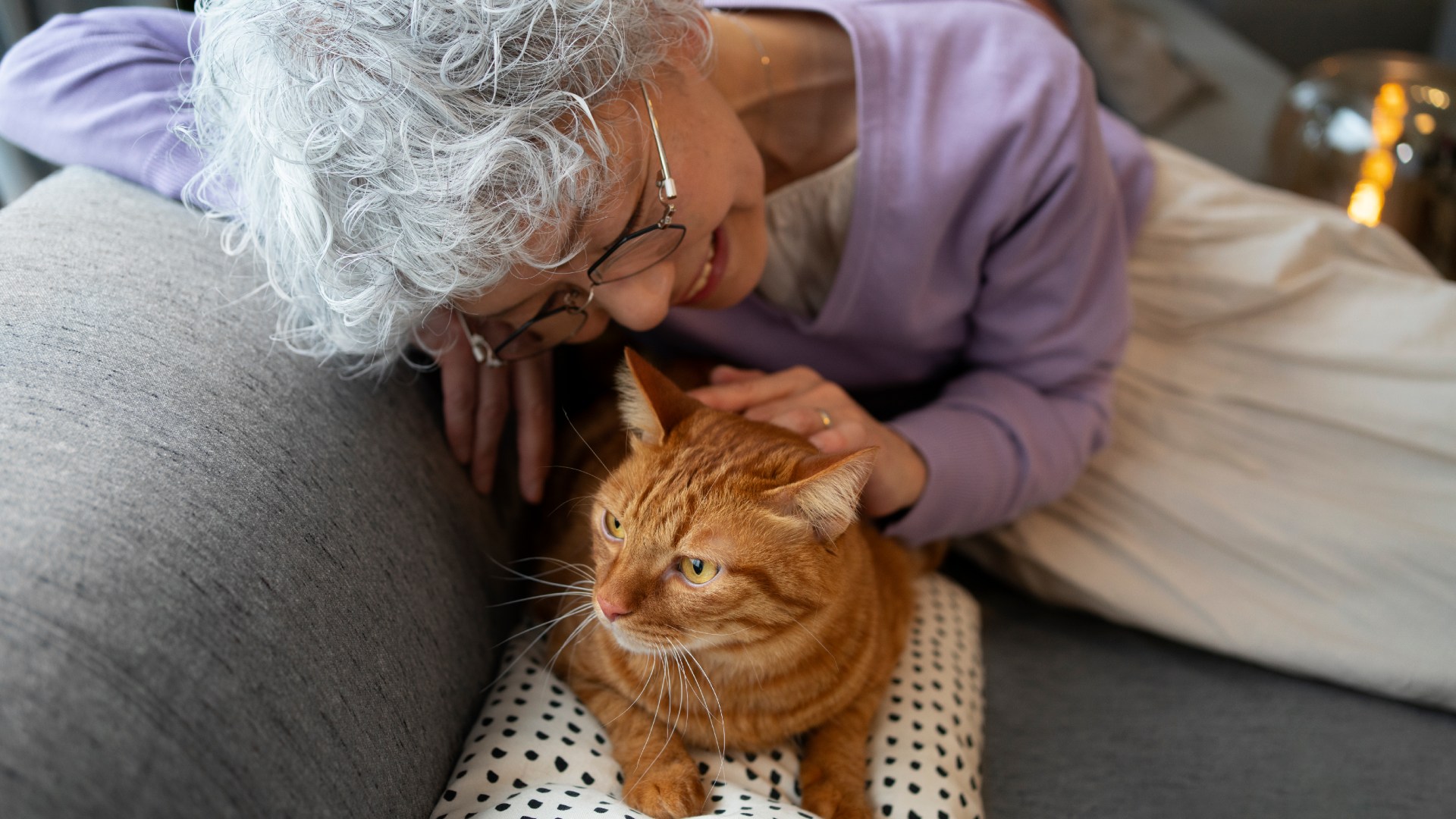
Despite major scientific advances, breast cancer remains one of the deadliest cancers for women. While artificial intelligence is helping to advance research against this insidious disease and refine screening methods, robots are not the only source of hope. Cats, too, can contribute, and not just by providing their comforting purrs.
Cats, unexpected allies in the fight against breast cancer
In the space of thirty years, the number of new cases of breast cancer in women has almost doubled. Today, medicine is better equipped, particularly since the meteoric rise of AI. Sometimes criticized and rarely praised, AI could well transform the care of the 2 million women diagnosed each year worldwide. Bras capable of detecting cancer cells using simple sensors, more sophisticated interpretation of medical images, powerful algorithms to predict the risk of relapse—it is more than promising and foreshadows medical innovations of public benefit.
While AI alone represents a noble revolution in breast cancer treatment, cats also have a role to play in this fight, which takes the form of a pink ribbon. Far more than mere emotional support brought in to cuddle patients and introduce them to purr therapy, these felines with their contagious calm are true sources of inspiration in oncology. No, they are not simply natural stress relievers, but full-fledged protagonists. And highly reliable analytical tools.
A study published in the journal Science , conducted by experts in veterinary and human medicine, drew parallels between cats and humans. The findings? Cats, like dogs, live in the same environment as we do. They are exposed to pollution and secondhand smoke and suffer from the same diseases as we do. While it's said that cats have nine lives, they aren't always at the peak of their health. They also experience the debilitating fatigue of cancer, the effects of diabetes, and the crippling pain of arthritis.
Cats, excellent subjects for analysis
From this perspective, there is no question of treating cats like mere guinea pigs or turning them into laboratory rats. The approach is far more empathetic and humane. Louise van der Weyden, who led this enlightening investigation, and her colleagues examined samples of cancerous tumors from nearly 500 domestic cats.
All these four-legged companions came from five countries and suffered from 13 different cancers. The conclusion: humans may have descended from monkeys, but they also share undeniable similarities with cats. This is what this study reveals.
Cancer occurs when the DNA of cells undergoes mutations (changes in genes). Scientists have therefore studied the DNA of cancer cells in cats to see if these mutations resemble those found in humans. They discovered that some mutations are the same in cats and humans, particularly in the case of breast cancer. For example, in more than half of the mammary tumors studied in cats, a gene called FBXW7 was altered. Human medicine is already familiar with this gene.
A treatment already being tested on cats
While the BRCA1 gene mutation was popularized by Angelina Jolie, the FBXW7 genetic mutation remains rare in women. However, even though it affects a small percentage of those with the condition, this scientific discovery represents a major breakthrough. It could lead to new, more targeted and effective treatments. In fact, cats are already benefiting from these advancements. Veterinarians are using specific medications to treat the disease.
While for a long time science simulated diseases on healthy mice to test treatments, it is now training in real-life conditions, on cats suffering from the scourge of cancer. Animal welfare is no longer an option, but a priority. This study is therefore beneficial both for our feline friends and for women.
Medicine doesn't enlist cats for their silky fur and endearing faces. They unknowingly contribute to a better understanding of breast cancer. The heroes of tomorrow don't just have articulated arms and a machine for a heart; they also have whiskers and a fondness for cardboard boxes.