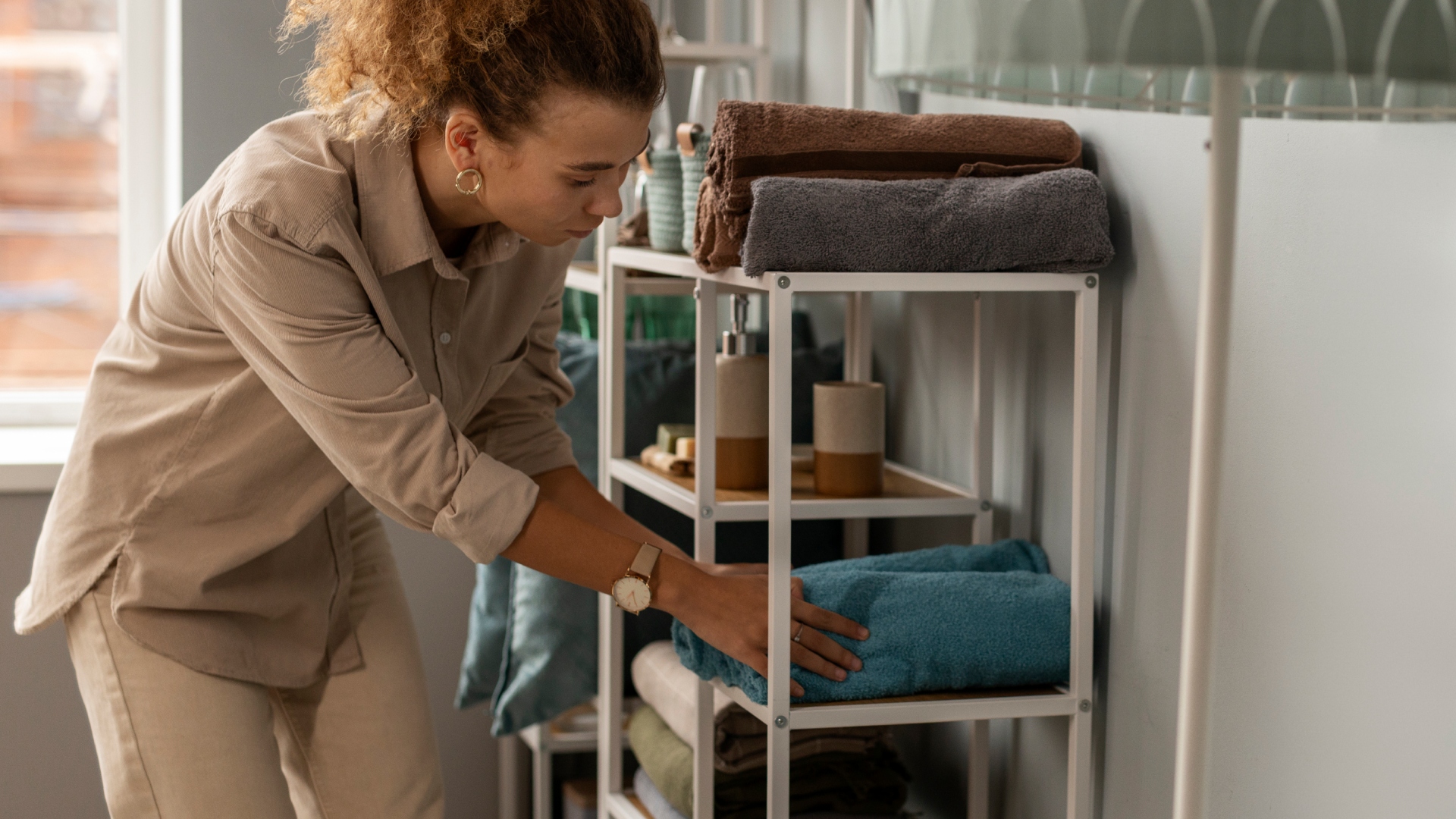
Tidying up isn't just a chore: for many people, it's an effective way to manage stress and regain calm. In an anxiety-inducing atmosphere, organizing one's space provides a sense of control and mental clarity. A recent study reveals the close link between the need for tidying and psychological well-being, explaining this practice during periods of emotional tension.
Tidying up: a stress management reflex
When stress increases, the brain seeks concrete actions to reduce anxiety. Tidying, sorting, and putting things in order are part of this process, creating a calmer environment. According to a 2025 study by Homebox and Harris Interactive , 68% of French people believe that putting everything in its place helps them feel better mentally. This simple act regulates emotions, reduces feelings of being overwhelmed, and promotes concentration.
Psychological mechanisms behind tidying
Tidying up relieves mental strain because it provides a tangible sense of control over one's environment, something often threatened during stressful times. Sorting items and deciding what to keep and what to discard generates an immediate sense of accomplishment, boosting self-confidence. This process also activates the prefrontal cortex, a brain region linked to organization and well-being.
The effects on well-being and mood
People who tidy up regularly report feeling better afterward, with fewer negative thoughts and greater serenity. By eliminating visual clutter, they limit the activation of the sympathetic nervous system, a source of tension. The Homebox-Harris Interactive study highlights that 57% of French people experience a marked sense of calm after a tidying session, reinforcing the link between external order and inner peace.
Tidying up when stressed isn't just a household habit; it's a powerful psychological mechanism for regaining balance and calm. This encouraging practice suggests that caring for one's environment becomes a genuine emotional management tool accessible to everyone, revealing that tidying up isn't pointless but essential during times of uncertainty and anxiety.