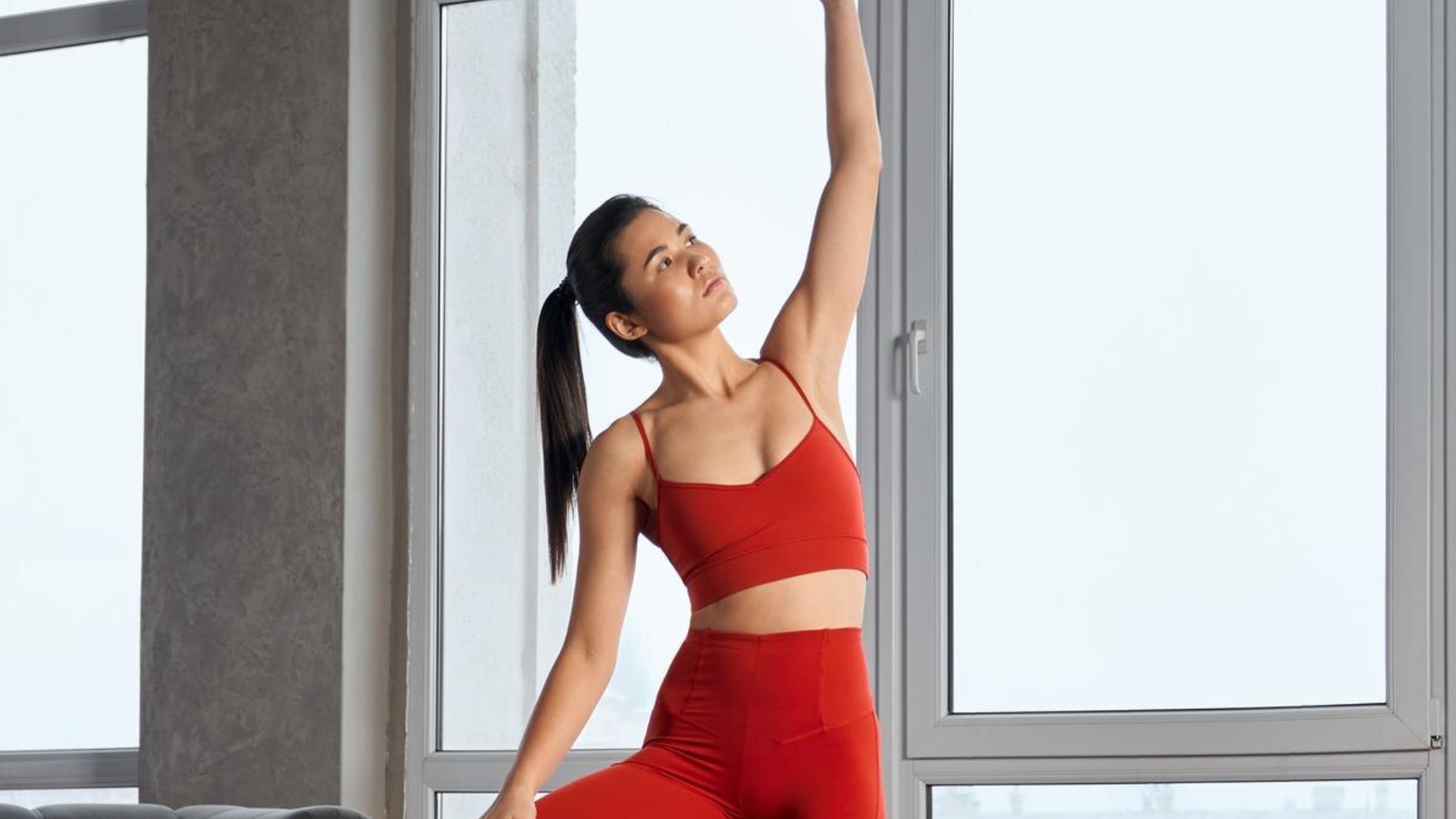
This year, 2026, a morning routine is making waves: a few minutes of light jumping in place upon waking, to awaken the body and energy. This practice, originating in China, intrigues as much as it appeals, without being a rule to be followed absolutely.
A routine to gently awaken your body
This trend, called "Chinese lymphatic jumping," is based on a simple principle: lightly jumping in place for 2 to 5 minutes first thing in the morning. Feet together, soft bounces, arms moving, as if you were jumping on an invisible trampoline. The goal isn't to work up a sweat, but to gently stimulate your body without any harsh impact.
Inspired by Chinese traditions related to the circulation of blood, lymph, and "qi"—vital energy—this practice aims to activate an often-neglected system: the lymphatic system. Unlike the heart, the lymphatic system has no pump. It circulates thanks to the body's movements. These small jumps then become a real boost to get things going as soon as you wake up.
A boost for energy, digestion and skin
According to its proponents, this morning ritual promotes lymphatic drainage, toxin elimination, and a strengthened immune system. It also helps improve digestion, skin quality, and gently stimulates the metabolism.
What's particularly appealing is its accessibility: no equipment, no special clothing, no gym. You can do it in your pajamas, in your living room, in just a few minutes, even before your first coffee. And above all, this ritual is body-positive: it's not about burning calories at all costs, but about supporting your body, honoring it, and offering it a moment of gentle movement.
A viral explosion on social media
It's impossible to miss in 2026: on TikTok and Instagram, "lymphatic jumping" videos are multiplying. From Chinese influencers to Western creators, they all share their morning routines, often accompanied by skincare tips, wellness rituals, or positive mantras.
With hashtags like #lymphaticdrainage and #morningroutine, the trend has racked up millions of views. It follows in the footsteps of other wellness phenomena such as rebounding, vibration plates, and post-meal walks. Its success stems from its simple promise: a few minutes are all it takes to feel lighter, more energetic, and more in tune with your body.
@angelashanhu qigong movements to boost immune system and lymph drainage #qigong #tcm #lymphaticdrainage #morningroutine #fyp ♬ original sound - angelashanhu
A practice, not an obligation
However, it's essential to remember one thing: you're under no obligation to follow this trend. Your well-being doesn't depend on a viral movement or a fashionable morning routine. If you enjoy this practice, if it makes you feel good, if it brings you energy and joy, then it can become a lovely personal ritual.
On the other hand, if skipping a day in the morning isn't for you, it's neither a problem, nor a lack of discipline, nor a sign that you're neglecting yourself. Your body deserves respect, attention, and kindness, whatever path you choose.
In short, Chinese lymphatic jumping isn't a medical revolution, but rather an invitation to reintroduce gentle movement into your daily routine. Whether you choose to jump, walk, stretch, or simply breathe deeply in the morning, the essential point remains the same: you have the right to take care of yourself in your own way, without pressure, without comparison, without guilt.