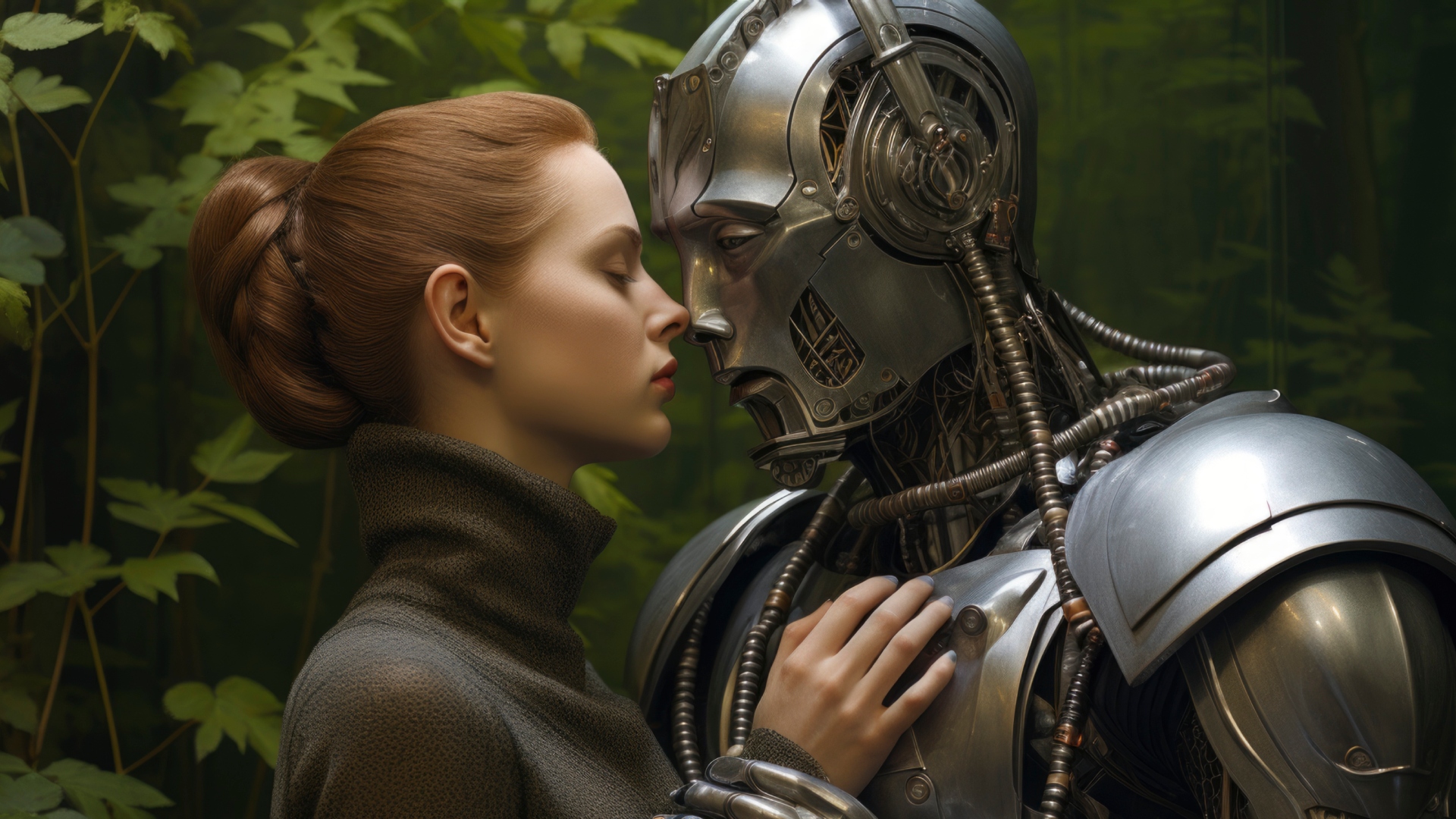
Preferring a robot to a human being remains a very minority choice today, but intimate or romantic relationships with robots or AI are beginning to be studied seriously, particularly by women. However, a recent study shows that women, on average, are still less inclined than men to consider a robot as a romantic partner.
What a scientific study says
A 2023 study published in the journal Social Science Computer Review by Elyakim Kislev analyzes precisely how men and women perceive different types of robots (helpers, companions, lovers, partners). The study also highlights that gendered representations strongly influence how each gender projects expectations onto these technologies.
Key findings regarding women
The study shows that women have significantly less positive attitudes than men towards robots seen as "lovers" or "partners," even though they may more readily accept robots as helpers or companions. Qualitative analyses indicate that many women express concerns related to social norms, psychological health, morality, and the truly functional nature (or lack thereof) of this type of relationship.
Concrete examples illustrate this curiosity mixed with caution. Carey, 37, is a striking example: this woman initially used ChatGPT in a professional setting, before developing a deeper emotional connection with the AI.
In an interview with theDaily Mail , she recounted regularly returning to chat with the chatbot, eventually integrating these interactions into her daily life. For her, dialogue with artificial intelligence became a form of escape from human interactions that she found burdensome or intrusive, particularly because of her transgender identity. This experience, while individual, demonstrates how some women can find, in digital interfaces, a space perceived as safer or more respectful of their identity.
These results suggest that, globally, the majority of women do not yet envision themselves replacing a human partner with a robot, even if some may find companionship or comfort in technology. The study therefore does not describe a massive shift towards a preference for robots, but rather a curiosity tempered by considerable reservations, especially among women.