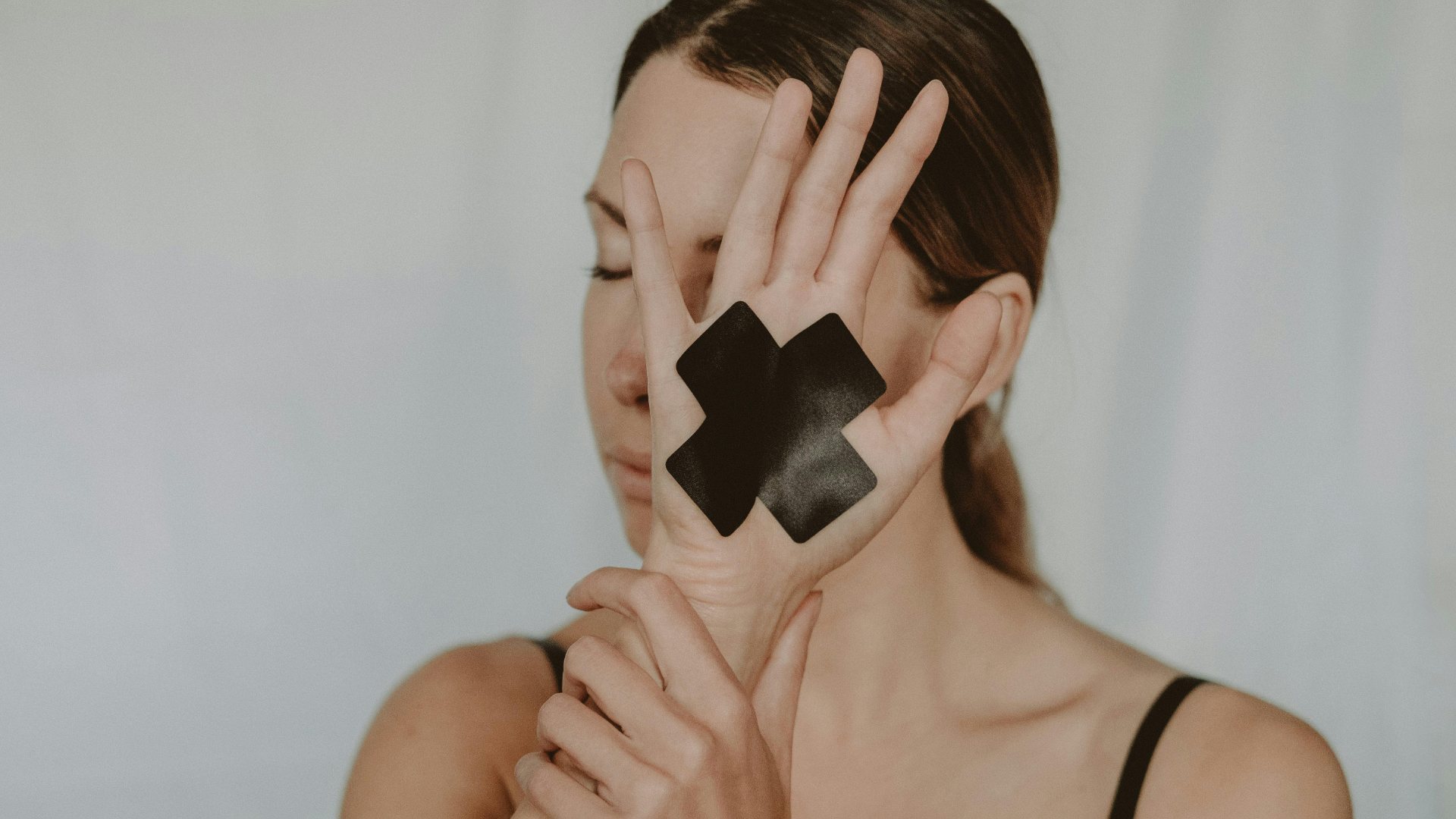
They're presented to you as "normal." You've heard them repeated since childhood, like an unavoidable background noise. Yet, behind these habits lies violence. On Instagram, Flavie Milsonneau (@flavie.m_tca) shared a video listing eight common situations in a woman's life. Experiences that many consider innocuous… but which actually contribute to a system of constant pressure, particularly regarding the body and the place of women in public spaces. Naming them is already the first step towards dismantling them.
1. To commit to "paying attention" throughout one's life
"Be careful": about what, exactly? Your skirt, your neckline, the way you laugh, walk, talk, or walk home. This constant vigilance eventually becomes normal. Yet, living in anticipation of danger or judgment is far from harmless. This mental burden, internalized from a very young age, restricts women's spontaneity and freedom. It teaches you that your safety depends on your behavior, not on the respect of others.
2. Receive feedback on your body
"Have you lost weight?" , "You've gained weight around your hips" , "You should watch what you eat." Remarks about physical appearance are often disguised as concern or compliments. However, whether positive or negative, they reduce your worth to your looks. But your body is not a public debate. It doesn't need to be evaluated, commented on, or analyzed. It belongs to you, in all its diversity, strength, softness, shapes, and changes.
3. Depriving yourself of food because you have "already eaten too much"
Restricting yourself after a meal, feeling guilty about dessert, compensating for a moment of food pleasure… these reflexes are so common among many women that they seem normal. Yet, they reflect a damaged relationship with food, often fueled by external pressures. Eating until you're satisfied, savoring your food, listening to your body: these are simple but powerful actions. Your body deserves to be nourished, not punished.
4. Enduring jokes about your weight during family meals
The infamous "We don't recognize you anymore," uttered between the cheese and dessert courses. The little "joking" digs about your figure, your shape, your appetite. Because it's a family affair, it's supposed to be okay. Except no, the supposed humor doesn't negate the impact. These repeated remarks to women (and sometimes not only women) can undermine self-esteem and reinforce the idea that your body is a collective issue. But your appearance is not a laughing matter.
View this post on Instagram
5. Being afraid to go out alone at night
Crossing the street. Holding your keys tightly in your hand. Sharing your location. This fear is often presented as a legitimate reflex of caution for women. And it is, but it also reveals a reality: public space is not experienced in the same way by everyone. When fear becomes an ingrained habit, it's not simply a precaution; it's a sign of a profound imbalance.
6. Hearing comments about your plate
"Wow, you're a good eater," "Are you sure you'll finish all that?" Again, control is exerted through what's on your plate. What you eat becomes a moral indicator. These comments reinforce the idea that a woman should eat little, discreetly, without causing a stir. Yet, your appetite is perfectly normal. It's vibrant, legitimate, and natural.
7. Being interrupted or ignored because you are a woman
In meetings, debates, at the dinner table: you start a sentence, you're interrupted. You propose an idea, it's taken up by a man and suddenly validated. This still-common phenomenon contributes to making women's voices invisible. Being listened to should never be a privilege. Your voice has the same value, the same relevance, the same legitimacy.
8. Being subjected to the omnipresent images of a "perfect body"
Advertisements, social media, magazines: everywhere, a single ideal is promoted. Smooth, thin, young, retouched. Through constant exposure, this ideal becomes the unspoken norm. Yet, true beauty is diverse. It exists in all body types, all sizes, all skin tones, all stories. Moving away from these unrealistic standards means reclaiming power over your own perception and self-esteem.
Ultimately, what Flavie Milsonneau emphasizes is crucial: as long as these situations aren't identified as problematic, they continue to be endured in silence. Putting words to these experiences means refusing to let them be trivialized. It means recognizing that the pressures exerted on women's bodies and behavior aren't mere details, but deeply ingrained mechanisms. Gradually detaching yourself from them means reclaiming space, freedom, and confidence. Your body isn't a problem to be fixed. Your presence isn't a mistake to be minimized. You have the right to exist fully, without apologizing.