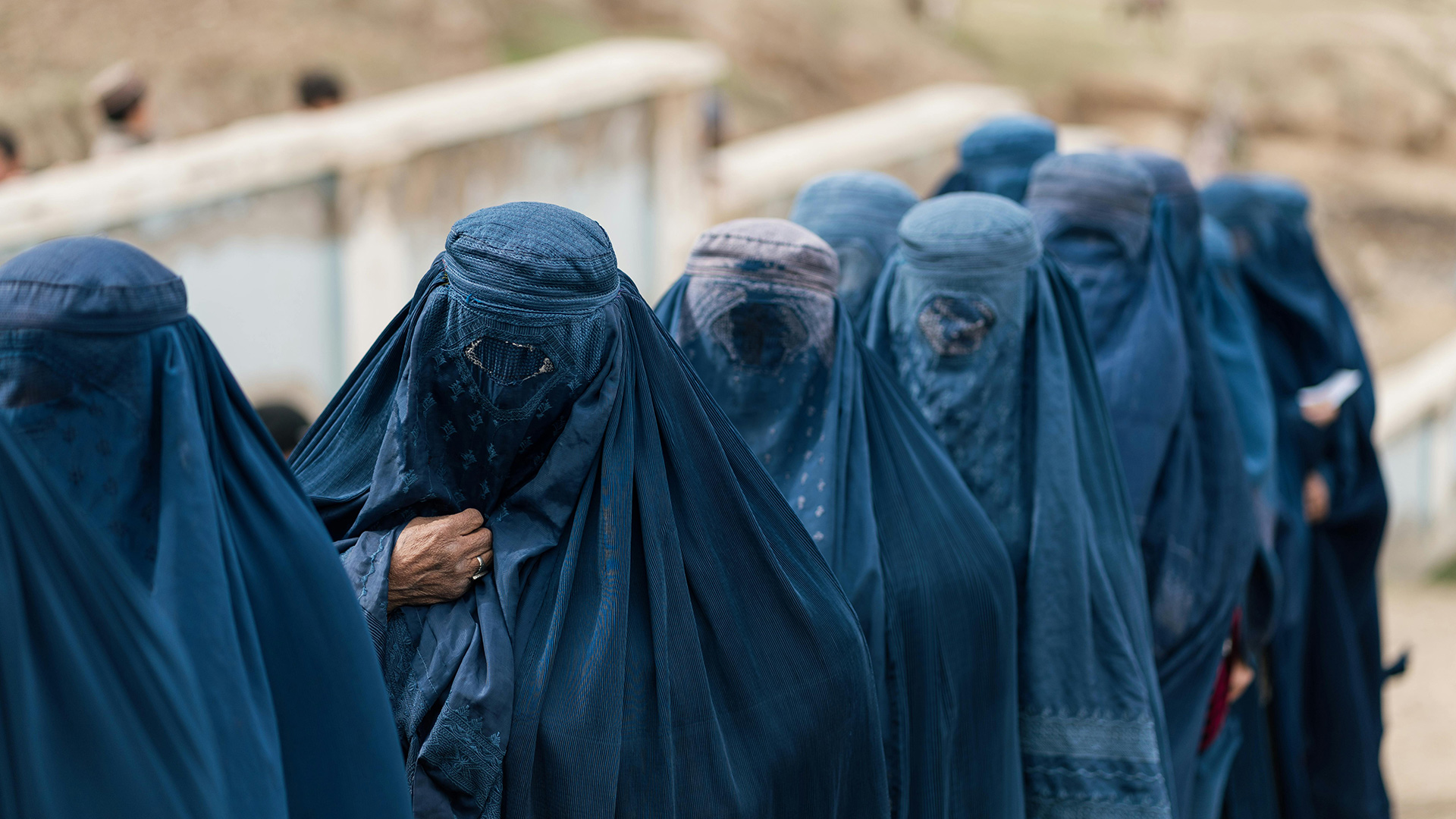
Since the Taliban seized power in 2021, Afghan girls have been massively excluded from school. Deprived of access to secondary and higher education, millions of young women find themselves without educational prospects. Faced with this ban, some resist through distance learning or clandestine classes, despite the risks and obstacles.
A generation deprived of schooling
Afghanistan is currently the only country in the world where girls are prohibited from attending school beyond primary level. Students as young as 12 are forced to leave school. According to UNESCO , more than 2.2 million girls are affected by this measure. This regression erases the educational progress made between 2001 and 2021.
This exclusion has serious consequences: isolation, early marriage, economic dependence, and loss of autonomy. Adolescent girls are forced to stay home, often reduced to domestic chores. The fundamental right to education is denied, shattering the hopes of an entire generation.
Online learning as a refuge
Faced with this reality, clandestine distance learning networks are developing. Afghan women refugees abroad, particularly in France and Canada, are organizing virtual courses in programming, languages, and history. Students connect using pseudonyms, with their cameras off, in constant fear of being identified.
Limited and unreliable internet access in many areas further complicates this learning process. Yet, these courses offer a lifeline to those who refuse to give up on their dreams. As one teacher quoted by Courrier International points out, " it's a form of silent resistance."
Clandestine classes on site
Meanwhile, some NGOs like Femaid organize in-person classes in secret locations. The organization provides secondary education to girls aged 11 to 18. The teachers, often themselves in danger, teach in private homes or hidden locations.
These initiatives allow a few hundred students to continue their schooling, but they remain limited. The risk of arrest is constant, for both teachers and students. Yet, these classes provide structure, hope, and dignity to those who participate.
A global fight for the right to education
UNESCO, UNICEF, and other international organizations condemn this exclusion and call for support for local initiatives. For them, this is not just about education, but about fundamental human rights. Access to knowledge is essential for the autonomy, health, and economic development of societies.
Educational media outlets are also contributing to this effort by broadcasting educational content tailored to young Afghan women. However, these alternatives do not replace equitable and safe access to education for all.
Resisting through knowledge
In a country where studying can be an act of rebellion , thousands of girls continue to learn in secret in Afghanistan. Between online courses and clandestine schools, they embody a quiet but determined resistance. These initiatives, though fragile, remind us that no oppression can completely extinguish the thirst for knowledge.
Without sustained support for these alternatives, an entire generation risks growing up in the shadows, deprived of its future. Education is not a luxury: it is a fundamental right that deserves to be defended, everywhere and for everyone.