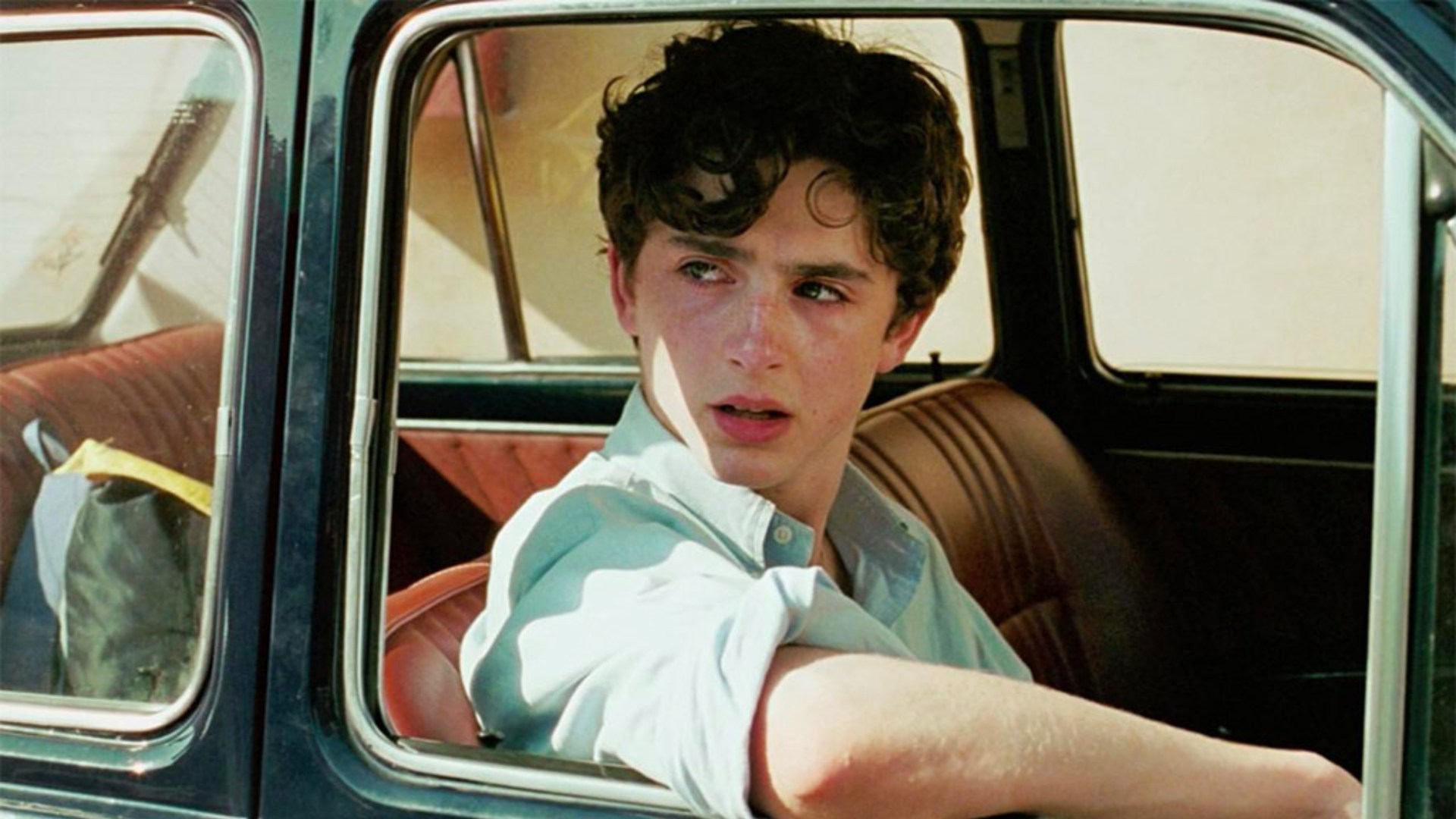
Slender build, right-angled jaw, androgynous features, and palpable sensitivity: the "noodle boys" are giving the steely-hued, testosterone-fueled men a run for their money. These emerging Hollywood figures are redefining masculinity and painting a softer portrait of it. These new-style actors don't have bulging muscles, but they do have hearts of steel.
Who are the "noodle boys" who are causing a stir in Hollywood?
Just a few years ago, cinema showcased a raw and caricatured masculinity . On screen, audiences were captivated by behemoths like The Rock, Vin Diesel, and Schwarzenegger—human bulldozers with fiery temperaments and insurmountable physiques. These actors, caricatures of the Alpha male, have had their day and now resemble dark, ersatz versions of masculinity.
Those who succeeded them in the spotlight shed some of their muscular physiques to embrace emotions and gain in humanity. They are even called "noodle boys," and they stand in stark contrast to the intimidating "bad boys" of cinema. In the past, they would have been cast as the persecuted and defenseless man, or the "loser," due to their lack of muscle and their overt displays of emotion. Today, they are reclaiming their place in the casting process and becoming ambassadors of a more tender masculinity .
Behind this unflattering term, which compares men to spaghetti, lie actors with slender physiques, almost youthful, angelic faces, and deep gazes. These "noodle boys" don't have just one face, but dozens, like Timothée Chalamet, Jacob Elordi, or Harry Styles. These actors represent a complete break from the image of the impartial tough guy , dripping with testosterone rather than salty tears. They herald an era where a man's worth isn't measured by the size of his biceps, but by the richness of his soul.
Less muscle, more sensitivity
"Noodle boys" have always existed in the world of cinema. However, they were stigmatized, relegated to the sidelines, and used as scapegoats. Confined to secondary roles as agoraphobic geeks or clumsy friends, they primarily served to enhance the image of muscular heroes. Long portrayed as the antithesis of masculinity, "noodle boys" are now regaining respect and reflecting a growing weariness with aggressive male role models.
These actors, represented by Finn Wolfhard, Pierre Niney, and Vassili Schneider, among others, are popularizing what has long been criticized in men: empathy, sensitivity, and vulnerability. And they turn these qualities into charming assets. They embody a less flashy, but more accessible aesthetic. Unlike the overly muscular actors of old action films, the "noodle boys" are a more relaxed version of masculinity. Initially a pejorative label used in the bodybuilding world to describe men with a slender physique, the term "noodle boys" is now a kind of compliment, even a silent revolution.
These actors, who have become "fantasy magnets," possess a reassuring quality that even the most muscular men can't provide. In any case, they signal the end of a myth: that of the impassive, self-centered man.
Actors who change mindsets despite themselves
Timothée Chalamet walks the red carpet in gender-bending outfits, yet convincingly portrays a desert messiah in "Dune." Jacob Elordi, meanwhile, manages to imbue Frankenstein with a touching aura, while Pierre Niney plays both the delicate Yves Saint Laurent and the manipulative guru with equal skill. They are the very embodiment of "soft power," of quiet strength.
For decades, men on screen were expected to be invincible: muscles of steel, emotions locked away, and a steely gaze. Crying? Unthinkable. Doubting? Out of the question. Loving tenderly? Barely tolerated. The "noodle boys," however, shatter this script. They cry, they tremble, they doubt, they love intensely. Their power lies not in brute strength, but in emotional complexity. And perhaps that's what makes them so fascinating.
The "noodle boys" generation doesn't erase old masculine models. It complements them. It simply broadens the spectrum. From now on, masculinity no longer has a single face. It can be muscular, fluid, androgynous, modest, or flamboyant. It can wear a strict suit, armor… or a skirt on a red carpet.
These actors embody an accessible, less intimidating, almost familiar masculinity. A masculinity that listens, that feels, that doesn't constantly seek to prove its power. The "noodle boys" nurture hopes and foreshadow a more progressive cinema.