For several years, Barbie has been expanding its range of body types, skin tones, shapes, and abilities, promoting an inclusive message. This time, the brand is going further by introducing a doll explicitly designed to represent autism. An ambitious initiative, driven by the desire to normalize neurodiversity in play, but one that also raises numerous questions.
A doll designed around certain autistic experiences
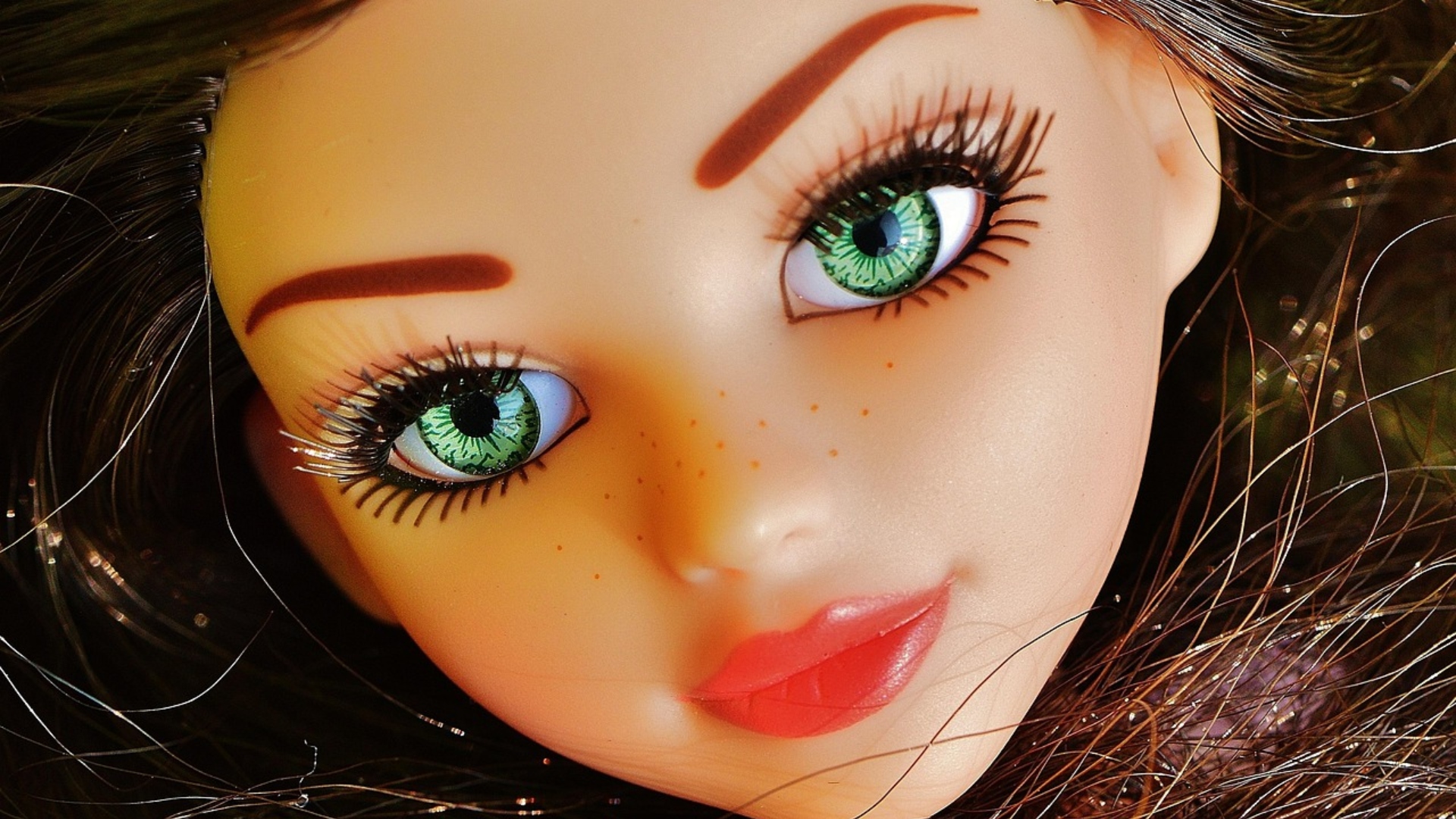
This new Barbie incorporates elements inspired by the realities experienced by some autistic people. She wears loose-fitting clothes, designed to offer a feeling of comfort and softness, avoiding sometimes uncomfortable contact with fabrics. Her gaze is slightly off-center, a nod to the sometimes complex relationship with direct eye contact, and her more mobile joints allow her to reproduce repetitive self-stimulation gestures, often called "stimming."
In terms of accessories, Mattel chose easily recognizable symbols: noise-canceling headphones to illustrate managing sensory overload, a fidget spinner to promote calmness and concentration, and a tablet with pictograms reminiscent of alternative communication tools used by some non-verbal individuals. The overall design aims to be reassuring, practical, and empowering, far removed from a negative view of autism.
Mattel has released their first autistic Barbie doll. pic.twitter.com/p3hgKgQUGH
— Pop Base (@PopBase) January 12, 2026
A symbol of recognition for many people
For some in the community, this Barbie represents a breath of fresh air. Mattel collaborated with the Autistic Self Advocacy Network to incorporate feedback from people directly affected. The organization describes it as "an important step towards a fairer and more joyful representation of autism, free from a medicalized or dramatic perspective."
Voices within the autistic community, particularly among creators and authors, are praising a doll capable of telling young girls (and others): your way of being is legitimate, beautiful, and worthy of existence. In a context where autistic women and girls are still too often rendered invisible, misdiagnosed, or misunderstood, seeing themselves represented in an iconic toy can strengthen self-esteem and a sense of belonging.
This is where the debate heats up
However, enthusiasm is not unanimous. Several autistic people and parents express their discomfort with a representation they consider too codified. Noise-canceling headphones, fidgeting, avoiding eye contact: these are all signs which, taken together, risk freezing autism into a single, recognizable image, even though the spectrum is immensely diverse.
Some critics point to the danger of creating a kind of "visual checklist" of autism, which could reinforce stereotypes instead of dismantling them. Others believe it would have been more relevant to offer these accessories to all Barbies, without labeling any doll as "autistic," in order to normalize sensory or communication needs without confining them to a category.
An imperfect step forward, but one that offers hope.
However, associations remind us that no doll, however well-intentioned, can single-handedly represent the richness of autistic profiles. Autism encompasses an infinite variety of bodies, personalities, talents, challenges, and strengths. Nevertheless, increasing positive representations in toys, the media, and popular culture remains essential to changing perceptions.
For many, this Barbie represents an encouraging first step. It's a foundation that can be improved upon, and will only benefit from further development if brands continue to listen to those affected. Because inclusion isn't a finished product, but a living movement that celebrates the diversity of bodies, minds, and ways of being in the world.