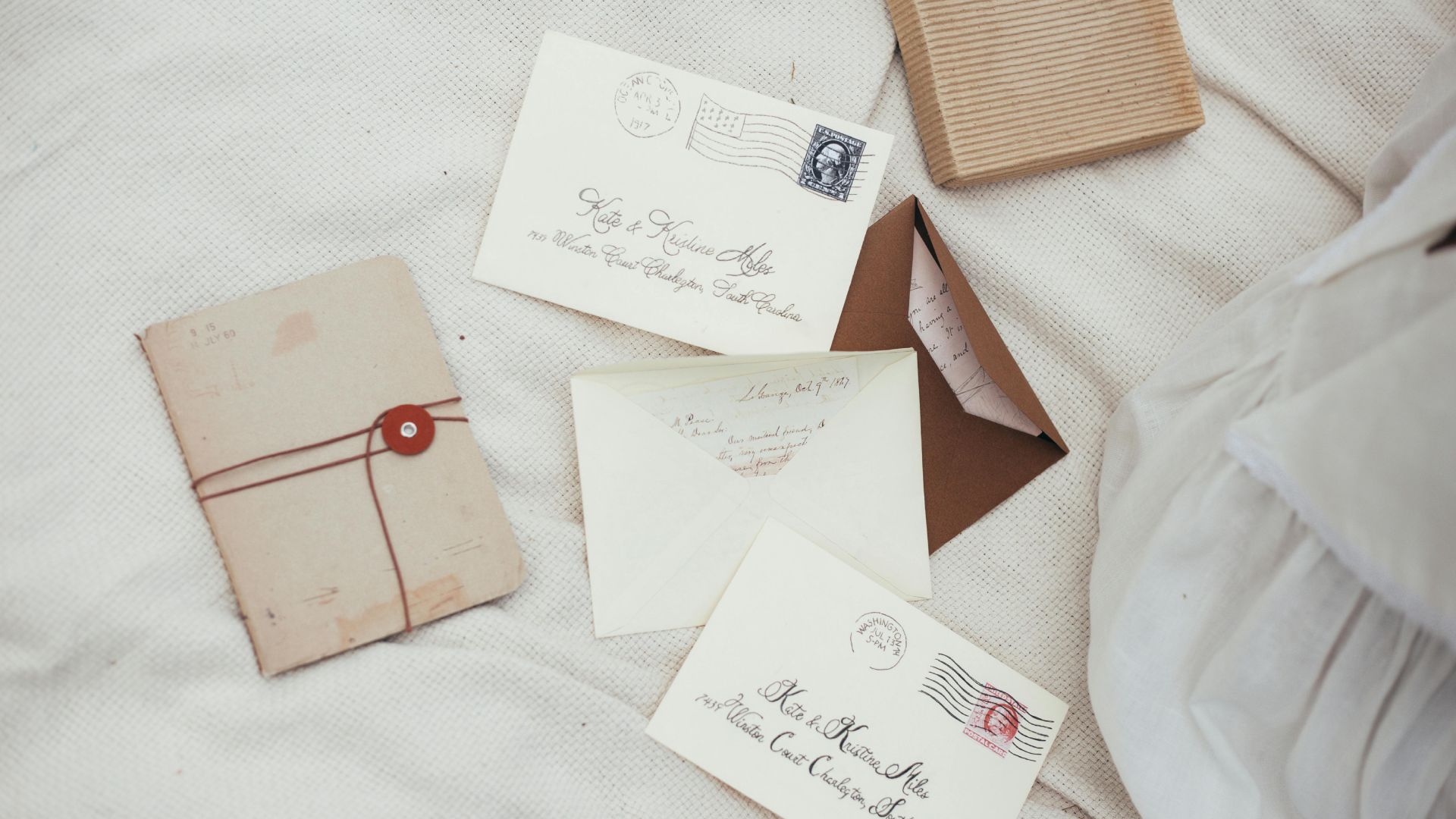
In a world where everything is written in seconds and erased with a simple swipe of a finger, a delightfully retro gesture is finding its place in our hearts. Opening an envelope, feeling the paper, recognizing the handwriting: "snail mail" is captivating a generation in search of authenticity. What if slowness became the new luxury?
"Snail mail", or the pleasure of writing differently
Literally translated as "snail mail," snail mail simply refers to traditional postal correspondence, as opposed to instant messaging. Long considered outdated, the handwritten letter is now enjoying a remarkable resurgence, particularly among young adults.
This renewed interest is part of a broader wave of analog practices: journaling, scrapbooking, film photography, and collecting physical objects. For the past few years, the desire to slow down and reconnect with tangible activities has been growing. Writing by hand has become almost an act of defiance. You choose your paper, you carefully place your words, you slip the letter into an envelope, and then you wait for a reply. This extended time stands in stark contrast to the constant urgency of notifications.
@natashahmedx i'm starting a mail club!!! i'll have subscriptions open later this month 🙂 #mailclub #snailmail ♬ orange soda - koteon
A breath of fresh air in the face of digital saturation
Digital platforms play a major role in your daily life. Yet, many people report feeling fatigued by information overload, omnipresent algorithms, and constant demands. Being constantly connected creates a need to disconnect.
Postal mail then appears as a haven of calm. Receiving an envelope is not just reading a message: it's a sensory experience. You touch the paper, observe the ink, sometimes discover a subtle fragrance or a carefully chosen sticker. The letter can be kept in a box, slipped into a notebook, and reread months later.
Some designers have even launched "mail clubs": monthly subscriptions through which you receive illustrated cards, poems, stickers, or mini printed publications. For a reasonable price, a themed envelope arrives in your mailbox, like a sweet and regular treat. A small gift for you, thoughtfully chosen.
Creative and engaged communities
The phenomenon is particularly prevalent in creative communities, composed mainly of young women. Many practice junk journaling, which involves assembling tickets, colored papers, photos, and souvenirs in personalized notebooks. Mail then becomes a precious, almost artistic material.
This initiative is part of a body-positive and inclusive approach: you don't need "perfect" handwriting or expensive materials to participate. Each letter is unique, just like you. Imperfections become charming, crossed-out words tell a story. It's not about performance or virality, but about sincerity. The story is more intimate, more intentional: you're writing for someone, not for an algorithm.
@tiny.star.mail.club ✨-Snail mail review: Sunday Breakfast Club-✨ I received this bright and colorful letter from @sunday breakfast club | bash ♬ Reflection on Peace - Adauto Assis
A quest for a more human connection
Beyond the physical object itself, the handwritten letter fulfills a deep need for connection. Receiving a few handwritten lines creates a unique sense of closeness, unlike a hastily typed message. Some initiatives go even further: intergenerational correspondence, exchanges with volunteer father figures, and mail support networks. Snail mail then becomes a source of comfort, a bridge between people who might never have met otherwise.
@.sesameballs And if you're thinking of joining, make sure to sign up before November 20th to be included in Decembers delivery! #snailmail #mailclub #printclub #artisttalk #printsubscription ♬ original sound - gisele.muze
Passing trend or lasting change?
It's difficult to say for sure. Even though social media is evolving, the taste for physical objects seems firmly entrenched. Vinyl records, printed books, film cameras: owning, preserving, and passing things on is becoming essential again. The letter fits perfectly into this logic. It's kept, reread, and shared. Rather than a rejection of digital technology, snail mail acts as a complement. Communities, for example, often begin online before taking shape in a very real envelope. This return to handwriting primarily reflects a desire: to slow down, to fully exist in the moment, and to create intentional connections.
Ultimately, more than just a trend, snail mail perhaps reveals your collective desire for more embodied communication. In the hushed silence of an opened envelope, another way of exchanging messages takes shape: slower, more sensitive, and decidedly human.