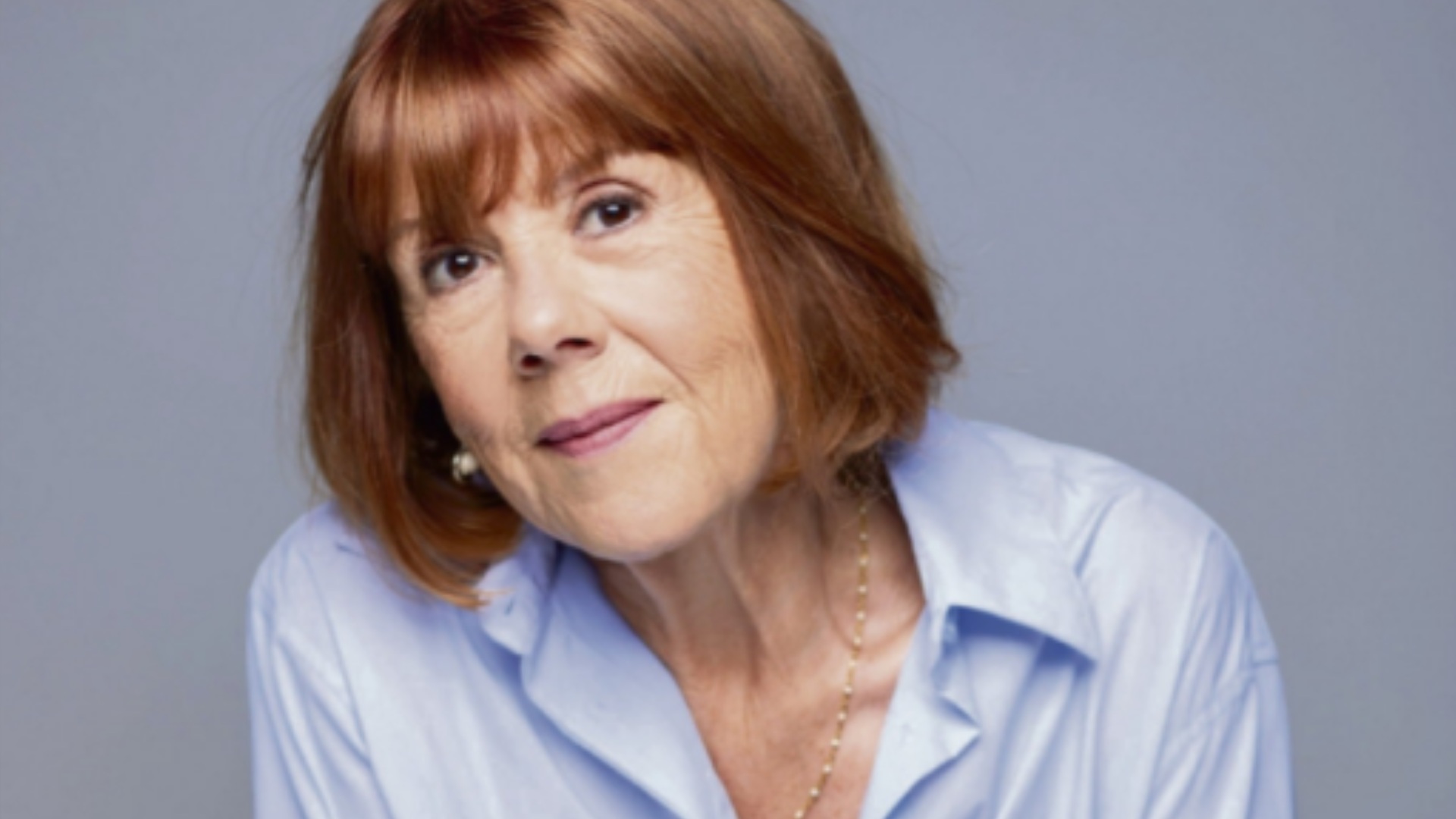
The Mazan rape case shook the world. After raising her voice, Gisèle Pelicot, who became the face of an entire struggle and the very embodiment of resilience, took up her pen to tell her story in the first person. With her powerful book, "Et la joie de vivre" (And the Joy of Living), she takes her revenge on the horror and puts words to the unspeakable. Alongside this significant cultural event, a series is reportedly in development to adapt this true crime story, which has become a collective fight, for the screen. However, transforming a domestic tragedy into fiction is a perilous undertaking, even with Meryl Streep in the cast.
Is a series about the Pélicot case in preparation?
Many series have dared to portray extremely serious cases on screen, striving to remain faithful to reality, however atrocious it may be. There was the miniseries "Sambre," which recounts the serial rapes committed by Jean-Xavier de Lestrade from the victims' perspective; the "Monster" saga, which paints a chilling portrait of history's most terrifying serial killers ; and the series "The Laura Stern Affair," which tackles femicide skillfully, taking care to avoid sensationalism. Another case, which has generated considerable media attention and sparked outrage far beyond France's borders, could soon be featured in television catalogs.
We still remember this horrifying story. The story of a woman, a victim of drug-facilitated sexual assault, who was abused, defiled, and dehumanized by some fifty men, with the complicit gaze of her own husband. The story of a mother, drugged without her knowledge and used as a sex slave for over ten years. We also remember a defiant and resilient woman who refuses the silence of a closed-door narrative and who wants to awaken consciences.
Gisèle Pelicot's voice could find an echo on the lips of Meryl Streep. After publishing a book whose title reflects her recovery and post-trial state of mind, she continues her awareness campaign through film. According to the French magazine Marianne , she has agreed to let American television adapt her story and bring down the walls of the marital bedroom, the scene of her ordeal. "So that the shame shifts to the perpetrators."
Meryl Streep, mentioned for the role of Gisèle Pelicot
Three-time Oscar winner Meryl Streep is tipped to play Gisèle Pelicot in this film, which is still in the early stages of development. The actress, who portrayed the ruthless Miranda Priestly in "The Devil Wears Prada" and starred in the musical "Mamma Mia," could sport a short bob and dark glasses, two physical details that have become feminist symbols, along with the raised fist.
The actress, a Hollywood prodigy hailed as a living legend, seems to have the stature to carry this very delicate role and do it justice. Meryl Streep is something of a "sure thing" in cinema. She inhabits each of her characters so completely that she unsettles the audience. From the uncompromising Margaret Thatcher to the disdainful editor-in-chief and the tenacious factory worker, Meryl Streep is a chameleon actress. Incidentally, whether by chance or not, she is only three years younger than Gisèle Pelicot. However, this series is still only in the negotiation phase.
Adapting horror for the screen: a project that sparks debate
Even with a trusted figure like Meryl Streep behind it, this series, which fuels all sorts of theories, is met with suspicion. Some are already hailing it as a work of public service, shedding light on the worst aspects of human nature and serving as a rallying cry in the fight against violence against women. Others, more skeptical, cry foul and fear that this whole affair will be reduced to a clumsy piece of fiction, or even a publicity stunt.
Despite extensive testimonies, regular public statements, and a "renaissance" book documenting these atrocities from the inside, many fear missteps and media circus. On X (formerly Twitter), opinions are running wild, including within political circles. Former minister Ségolène Royal didn't mince words, using the adjective "horror" to describe this project, which she finds more inappropriate than beneficial.
The risk of voyeurism, questions about the filmmakers' intentions... for now, this series about the Pelicot case is just a seed. Yet, it raises questions for the general public. All that remains is to hope that the woman most directly involved has some say in this project, which is destined to depict the indescribable.