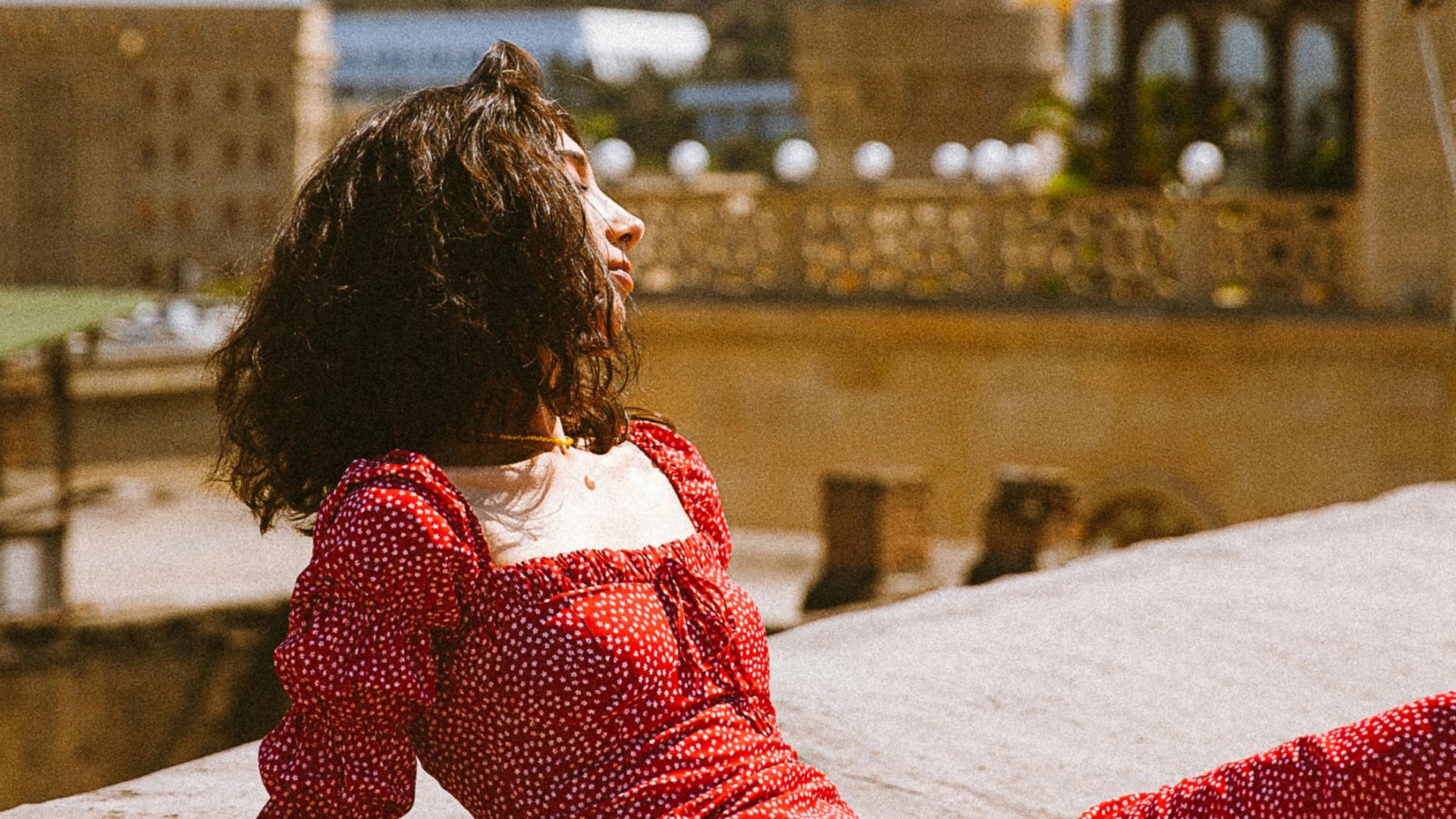
Long considered the quintessential "feminine garment," almost a wardrobe staple, the dress is now losing ground. On the streets and in wardrobes alike, more and more women are deliberately turning away from it. Behind this subtle yet clear shift lies much more than a simple evolution of fashion: a new way of thinking about comfort, freedom, and self-expression.
Comfort first, no compromise
The primary driver of this change is simple and very concrete: comfort. Clothing habits are evolving towards greater practicality, with a clear preference for clothes that are easy to wear every day.
Recent studies on women's clothing consumption show a clear trend toward more casual wear. Jeans, t-shirts, and looser-fitting garments are taking center stage, while dresses and skirts are becoming less common. A 2025 Mintel study even indicates that 78% of adults now prioritize comfort over trends. In other words, your outfit no longer just needs to be attractive; it also needs to be comfortable enough to wear all day long. And in this context, trousers often win out.
A security issue that is still too prevalent
Beyond comfort, a more sensitive issue also comes into play: safety in public spaces. The figures speak for themselves. A 2020 Ipsos study indicates that 81% of women in France have already experienced harassment in public places. Among them, a majority adapt their behavior, and in particular their clothing, to limit these situations.
In this context, choosing to wear trousers rather than a dress can sometimes be perceived as a protective strategy. It's not a matter of style, but of peace of mind. And this speaks volumes about how some women still have to navigate their environment.
Working from home has changed habits
Another major factor is the rise of remote work. Since 2020, many women have seen their daily lives change. Fewer formal professional constraints, fewer imposed dress codes, and more freedom in choosing their outfits. As a result, comfort has become a permanent fixture in their routines.
Wide-leg trousers, soft jeans, and casual wear have become everyday staples. And once adopted, they're hard to give up. For many, the idea of "getting used to" certain more restrictive pieces simply no longer makes sense.
A story of freedom that goes back a long way.
This movement is also part of a longer history. In France, it's important to remember that an ordinance still prohibited women from wearing trousers without authorization until 2013, even though it had long since ceased to be enforced. For centuries, so-called "feminine" clothing was codified, standardized, and regulated.
The gradual abandonment of the dress in certain contexts is therefore part of a historical continuum: that of a so-called "feminine" wardrobe that is gaining freedom. From the corset to the suit, then to trousers, each step has marked a shift in norms towards greater autonomy.
It's more a question of identity than a trend.
Ultimately, getting dressed is never a neutral act. It's a way of presenting oneself to the world, of feeling good in one's body and throughout the day. For some women, no longer wearing dresses is a deliberate, almost symbolic choice that breaks away from traditional dictates of codified "femininity." For others, it's simply a matter of practicality and physical comfort.
In all cases, the same dynamic emerges: the affirmation of a style that reflects who you are, without having to conform to external expectations. And while the dress hasn't disappeared, it's no longer an implicit obligation. It's returning to what it should always be: one option among many, freely chosen according to your desires, your comfort, and how you feel in your own skin.