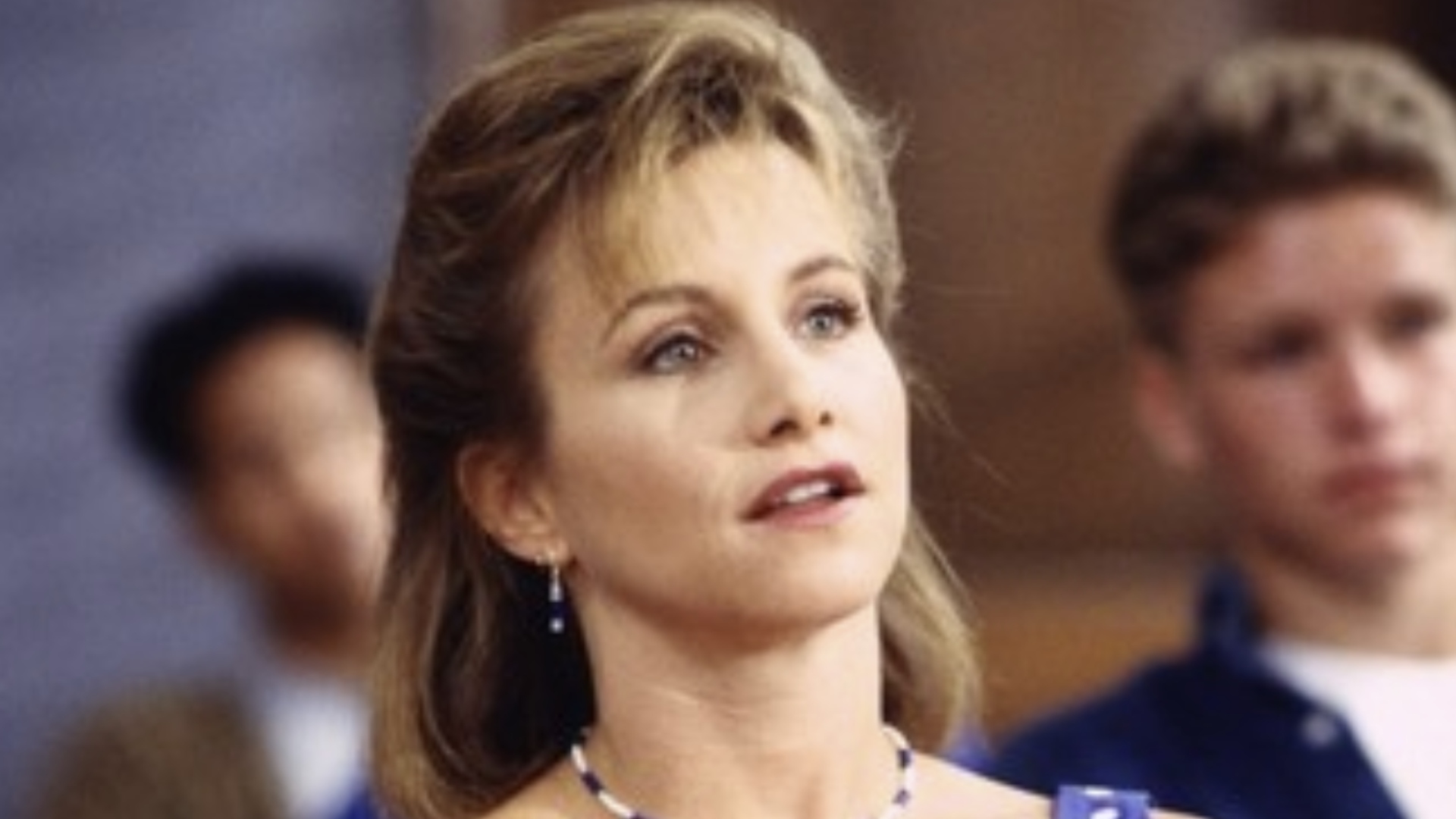
Gabrielle Carteris, the actress who played Andrea Zuckerman in the cult 90s series "Beverly Hills 90210," is now speaking out about the pressure she faced on set to constantly appear in revealing outfits. In the podcast " I Choose Me ," she reveals how producers insisted that the actresses film scenes in swimsuits or shorts, even without a storyline justification.
A pervasive pressure regarding clothing
Even before the summer episodes aired, American producer Aaron Spelling explicitly announced: "Girls, we're going to be wearing swimsuits this summer." Gabrielle Carteris, then in her twenties, systematically refused: "I wore shorts, my leotard, my overalls, and my tank top, but never a swimsuit." She explains this firm stance: "I had a nice little body at the time, but I was furious that people were talking about it." This refusal illustrates the dominant male gaze of the time, where female characters were often reduced to their physical appearance.
View this post on Instagram
Everyday sexism in the 1990s
This testimony is part of a broader context: the television series and advertisements of the 1990s normalized the exploitation of actresses' physical appearance. Gabrielle Carteris recalls her experiences in advertising, where suggestive outfits were the norm: "Back then, you could get away with certain things. I would never have auditioned in a swimsuit." Despite a few feminist figures like "Buffy" (Buffy Summers, in "Buffy the Vampire Slayer," played by Sarah Michelle Gellar), female protagonists were too often fetishized, to the detriment of their narrative depth.
A phenomenon denounced by other actresses before her
Gabrielle Carteris' testimony is part of a series of similar statements from actresses who worked in the 90s and 2000s. Actresses from series such as "One Tree Hill", "Charmed" or "Smallville" have also recounted the pressure exerted to appear in suggestive outfits, sometimes from their teenage years.
These accounts reveal a deeply ingrained culture within the industry, where women's appearance often took precedence over their acting or the coherence of the storyline. Through these voices that are now being raised, a systemic critique is emerging, challenging decades of practices that were normalized but rarely questioned at the time.
In her early twenties during the first seasons of "Beverly Hills," Gabrielle Carteris offers a lucid retrospective view: "I was young, pretty, and angry." Her refusal to conform to these dress codes demonstrates an early resistance to the everyday sexism of the industry.