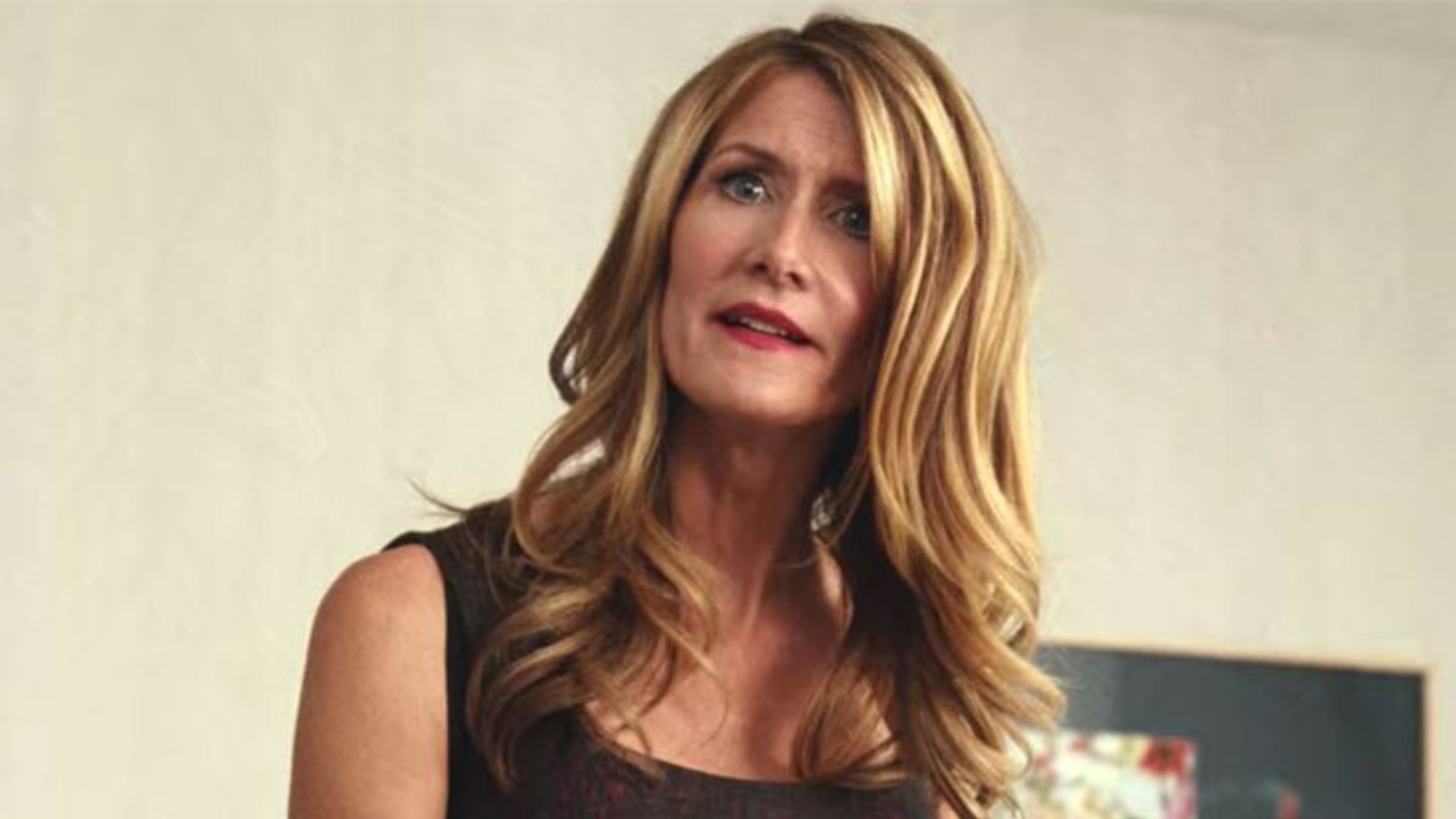
American actress and producer Laura Dern is speaking out against the normalization of cosmetic procedures among very young women. This alarm bell reveals the extent of the pressure placed on women's bodies.
A generation under high pressure
Laura Dern hasn't lost any of her outspokenness. Known for her memorable roles in "Jurassic Park" and "Big Little Lies," she spoke to The Independent about a subject close to her heart: the pressure to conform to beauty standards faced by the younger generation, and in particular by her 21-year-old daughter Jaya's friends. "I hear her friends saying they should already be considering procedures to avoid getting wrinkles one day. It's tragic!" she confided.
She also pointed out that in her own mother Diane Ladd's time, conversations about cosmetic surgery only surfaced at age 70, as a way to "stay relevant"—a notion she also challenges, reminding us that one doesn't need surgery to exist. Today, this pressure barely begins in one's twenties.
View this post on Instagram
Beauty standards are being set at an increasingly younger age.
Laura Dern highlights an alarming shift: the idea that aging is no longer a natural process, but a danger to be prevented. So-called "preventive" treatments, widely promoted on social media, are part of a consumerist logic that the actress strongly denounces. "It's like the tobacco industry making people believe that smoking was cool. Now, they're selling the idea that you have to smooth your forehead at 20 as a health or preventative measure. They talk about prevention to mask pressure." The comparison is stark, but apt. It's no longer simply a matter of "personal choices," but of increasingly normalized social prescriptions.
Injunctions driven by marketing... and peers
This trend isn't solely driven by the cosmetics industry; it's also fueled by social media, where young women navigate a world of filters, beauty tutorials, and digitally altered influencers. Peer pressure reinforces the idea that ideal beauty consists of smooth skin, a refined nose, and plump lips—all from a very young age. While previous generations discovered cosmetic procedures as adults, today's teenage girls grow up with the notion that they must "improve" themselves before they've even developed their own identities. And this pressure is often exerted silently, so commonplace has the practice become.
Empowerment or new chains?
Laura Dern challenges the prevailing narrative that these practices are free and feminist choices. For her, the empowerment argument too often masks a darker reality: "These norms were created by fears and insecurities. It's not progress." Her analysis echoes the work of many feminist researchers who question the blurred line between individual freedom and internalized norms. Can we truly speak of empowerment when a young woman alters her face to "conform" to an unrealistic beauty ideal?
Talking to young women without making them feel guilty
In her remarks, Laura Dern doesn't judge young women who engage in these practices. Rather, she challenges a society that leads them to believe they must. This is a crucial distinction in a debate often polarized between tacit approval and stigmatization. For many, including her own daughter Jaya, who aspires to be an actress, appearances matter—sometimes at the expense of self-esteem. And in a world where visibility is achieved through image, it becomes urgent to develop counter-narratives.
Towards a different vision of beauty
Laura Dern's testimony acts as a call to slow down. To rediscover the joy of real faces, expressions, and the passage of time. To remember that wrinkles tell the story of a life, not a defeat. In a landscape saturated with polished images and promises of perfection, her voice underscores the importance of nuance, perspective, and kindness—toward ourselves, and especially toward younger generations.
Ultimately, it is only by talking, as Laura Dern does, that we can open up spaces for reflection. Not to forbid or blame, but to question. Why do some young women feel "old" at 21? What do our beauty standards say about the value we place on women? And how can we build self-esteem that isn't dependent on intervention?