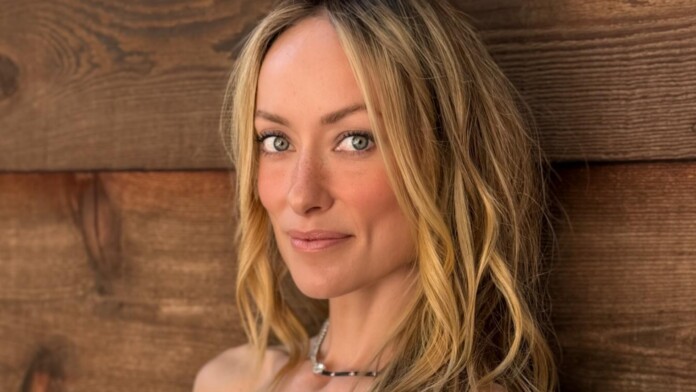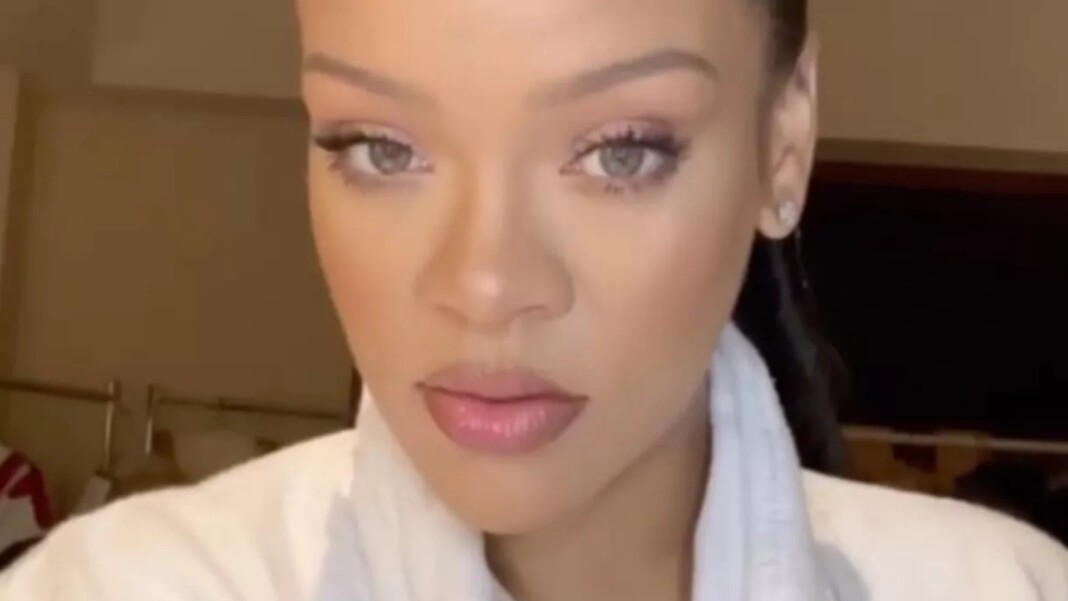
Recently in Paris, Rihanna didn't just make a "fashion statement": her postpartum belly once again became the favorite target of hateful comments, revealing a toxic obsession with the bodies of women who have become mothers.
A postpartum body transformed into a subject of debate
During Paris Fashion Week, every appearance by Rihanna is scrutinized, dissected, and commented on, far beyond her clothes. Rather than celebrating her style and creativity, some of the public focuses on her stomach, perceived as "too visible even hidden under her big coat," "not flat enough," as if her body had to erase all traces of pregnancy to be acceptable. These criticisms are not isolated remarks; they are part of a long history of body shaming that Rihanna has regularly faced since her pregnancies.
In the collective imagination, a celebrity is expected to "get back in shape," without a belly or curves, or risk being judged as "sloppy" or "deformed." The slightest loose coat or voluminous cut then becomes an excuse for disparaging comments about her stomach, as if a woman simply couldn't dress comfortably or play with proportions without being attacked.

Rihanna at the Dior haute couture spring/summer 2026 show during Paris Fashion Week pic.twitter.com/SU4WDVO5Hw
— More Culture Less Pop (@culturelesspop) January 27, 2026
A normalized misogyny disguised as "opinion"
The comments about Rihanna's "big belly" are not neutral: they are part of a deeply misogynistic logic that demands women be desirable, flawless, and constantly "controlled." Women's bodies become a perpetual work in progress on which everyone feels entitled to comment, as if a woman's worth depended on the rapid disappearance of any sign of motherhood.
This obsession has nothing to do with health or "simple observation," but everything to do with controlling women's bodies. By specifically targeting the stomach—a symbol of pregnancy, motherhood, and change—the haters remind us that they deny women the right to exist in bodies that live, evolve, and mark the passage of time. And when that woman is a global star like Rihanna, every photo becomes an excuse to project fantasies, injunctions, and fatphobic insults.
Rihanna, another way to show off her body
Faced with this everyday violence, Rihanna takes a strong stance: she speaks openly about her stomach after having children and declares that she loves it, integrating her figure into her style rather than hiding it. In Paris, she continues to play with volume, coats, and oversized silhouettes, proving that a visible stomach doesn't detract from the style, elegance, or power of an outfit.
Her relationship with clothing then becomes a gentle yet firm political statement: yes, a woman who has become a mother can have a belly, curves, jeans, loose-fitting coats, and still remain a fashion icon. By refusing to conform to societal expectations, she opens up a space where other women can also recognize themselves in a postpartum body that hasn't been erased.
In short, the criticism of Rihanna's "big belly" says nothing about her worth or her style; it mainly reveals a society that still struggles to accept women's real bodies, especially after motherhood. By continuing to appear as she is, with her belly, her coats, and her freedom in dress, Rihanna reminds us of an obvious truth that many refuse to hear: a woman's body is neither a project to be corrected nor a collective fantasy, but her own, period.