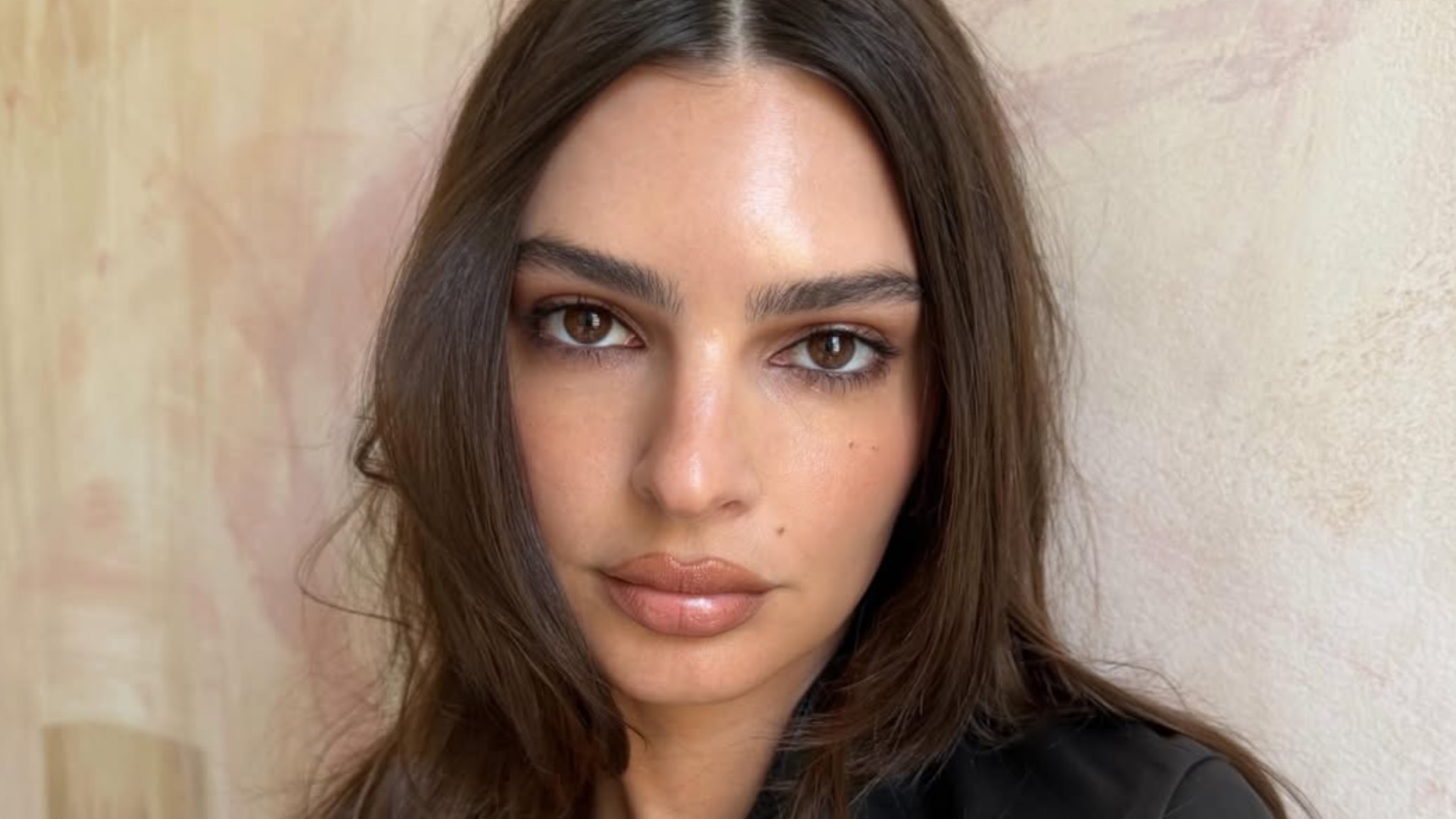
American model, actress, and author Emily Ratajkowski refuses to be defined by a single label. In a personal essay published on The Cut , she reflected on her experience as a single mother after her divorce—and on her rejection of the label "divorced single mother," which she considers "reductive."
Rejecting a reductive label
In this introspective piece, Emily Ratajkowski recounts the collapse of her marriage to producer Sebastian Bear-McClard, which occurred approximately six months after the birth of their son, Sly, now 5 years old. Married in 2018, separated in 2022, the couple finalized their divorce in 2025. She describes the transition to motherhood as "a brutal shift into a new reality," during a period that felt "both fleeting and endless."
At the heart of her argument is her discomfort with the term "divorced single mother." She explains that she long dreaded this situation before facing it much earlier than most women. "I had experienced the failure of a marriage when I was barely over 30," she writes, refusing to be pigeonholed into a category she considers "unfair."
A declared "villain era"
To cope with this new life, particularly by reconnecting with women, Emily Ratajkowski says she took on a role: that of a "supervillain," a "woman who needs nothing from men." She compares herself to fictional characters like Poison Ivy or Catwoman, and confides that living this period in New York gave her the feeling of "a bohemian and liberated existence." "It was my supervillain origin story," she summarizes.
View this post on Instagram
A regained lucidity
Emily Ratajkowski, however, honestly acknowledges the limitations of this character. Behind the armor of the insensitive "villain" lay a very real vulnerability. "Despite my performance, I was just as disoriented and fragile as I was at 20," she admits, referring to "a role-playing game without substance." This realization led her to recognize that she had never truly been in tune with her own aspirations.
A committed feminist voice
This testimony is a continuation of Emily Ratajkowski's commitment. For several years, she has written acclaimed essays on the condition of women, such as her collection "My Body," published in 2021, in which she denounced, among other things, the excesses of the fashion and entertainment industries. It is this committed writing style that she puts at the service of an intimate reflection.
Through this essay, Emily Ratajkowski transforms a painful personal experience into a broader reflection on the labels imposed on women. By refusing to be defined by her status, she reminds us that motherhood and divorce do not define an identity. A lucid testimony that resonates far beyond her own personal story.