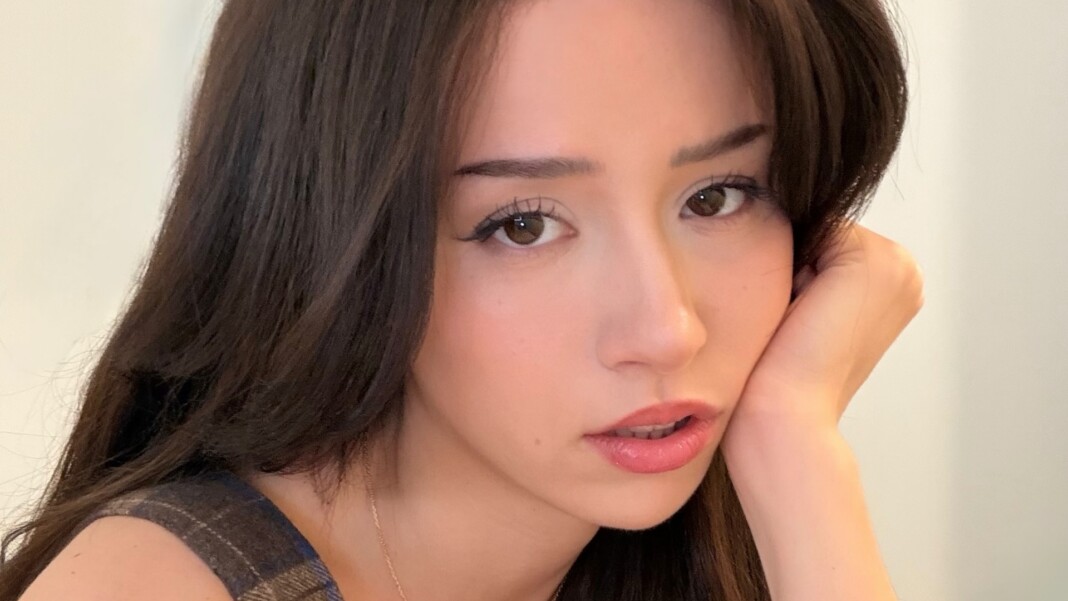
A key figure in global streaming, Pokimane – whose real name is Imane Anys – has established herself as one of the most followed content creators of her generation. At just 27 years old, the Moroccan-Canadian streamer has amassed millions of followers on Twitch, YouTube, Instagram, and TikTok.
Pokimane, a perpetual target of criticism
Behind her meteoric rise to fame, the Moroccan-Canadian creator faces constant harassment, particularly virulent on social media where every photo or video she posts triggers a torrent of negative comments. The criticism far exceeds that of the average female streamer, and is often tinged with misogyny, as many internet users have noted on Twitter and Reddit.
Terms like "simp" for her male fans (a person who shows excessive attention or devotion to someone, often a man to a woman, in the hope of gaining something intimate) or accusations of "false positivism" constantly recur, reinforcing a toxic climate.


View this post on Instagram
An easy target for online misogyny
Pokimane has often publicly denounced these attacks. During live streams, she explained how female streamers face disproportionate treatment as soon as they express an opinion, with reactions described as misogynistic: "The way people treat me discourages any other woman in the space from speaking honestly." She even quoted a novice streamer who confided in her her fear of streaming without makeup, after seeing what she had endured.
On Twitter, recent users are talking about harassment that is "getting out of hand," with "brigades" organized in response to past controversies, such as the one with American YouTuber and streamer JiDion in 2022, where his followers bombarded him with threatening messages. Even women on Twitch are attacking him to gain visibility, creating a vicious cycle of internalized misogyny.
Recurring incidents and a profound impact
Unfortunately, such cases are all too common: in 2020, Pokimane revealed disgusting messages about her appearance, prompting Twitch to tighten its rules on harassment. More recently, obsessive fans have tracked her address, forcing her into constant vigilance. Reddit posts from 2025 highlight how she has become a "symbol of misogyny" for some, with hate campaigns amplified by algorithms.
Despite this, Pokimane refuses to be silenced, even refusing to stop streaming for financial and personal reasons, as she explained: she wanted to secure her parents' future. Her content – reactions, cozy vlogs, and drama analyses – continues to dominate feeds, proving her resilience in the face of this "uncontrollable wave."
A call to the community and the platform
This harassment is unfortunately not an isolated incident: it reflects a structural problem on platforms like Twitch, where female streamers are overrepresented among the victims of online harassment, often dismissed as mere "drama." Pokimane embodies this struggle, transforming her channel into a content powerhouse despite the trolls, but at what cost? Loyal fans and observers alike are calling for more moderation, pointing out that behind the icon lies a woman exhausted by a daily barrage of relentless criticism.


In conclusion, Pokimane's story illustrates the persistent problems within online communities, where female success too often becomes a pretext for hatred. Her case is not an exception, but rather a symptom of a broader issue affecting many female content creators. While her resilience is admirable, it should not be a prerequisite for success on these platforms. The responsibility lies as much with social media as with users: without collective awareness and concrete measures against cyberbullying, these "uncontrollable waves" will continue to silence voices—and aspirations—before they have a chance to fully express themselves.