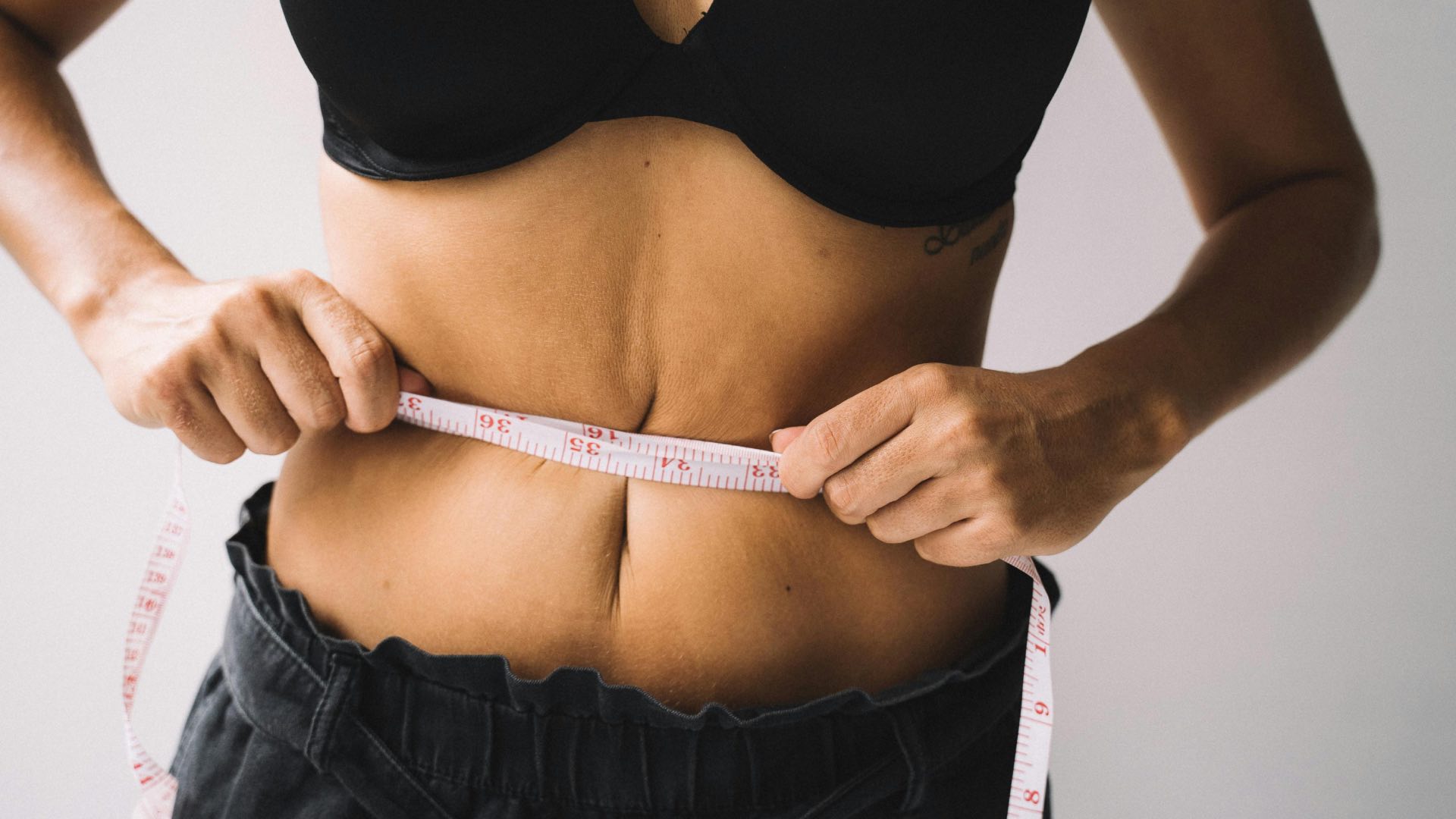
Some body-related concerns remain discreet, sometimes even unspoken. Yet, they affect a large number of women. Among them, one area comes up very often when discussing body image: the stomach. Caught between aesthetic standards and social expectations, this part of the body can become a focal point for insecurities… even though it simply reflects the body's life.
The stomach, an area often scrutinized
When it comes to physical appearance, the stomach is frequently cited as one of the areas that most concern women . In numerous studies on body image, it regularly appears as a sensitive point.
Why him in particular? Because he is often associated with very specific standards: a flat, toned, almost immobile stomach. Criteria widely promoted in advertising, fashion, and on social media.
In reality, however, the abdomen is a living part of the body. It can vary throughout the day, swell after a meal, change with the hormonal cycle, or evolve over the course of a lifetime. These fluctuations are perfectly natural. When we compare these bodily realities to idealized images, it becomes easy to feel a disconnect—and sometimes even develop an inferiority complex.
When norms shape the way we view our bodies
Body image psychology specialists explain that "our perception of the body is not constructed in a vacuum." It is strongly influenced by the cultural environment in which you live. Advertisements, magazines, social media, and photos of celebrities often promote very similar body types: flat stomach, smooth skin, and "perfectly" balanced proportions.
However, these images are often retouched, filtered, or carefully selected. They do not represent the true diversity of bodies. By being constantly exposed to these representations, it becomes easy to think that a body should look like that to be considered "normal" or "ideal." Comparisons then arise naturally, sometimes even unconsciously.
Complexes and their effects on self-esteem
When body dissatisfaction develops, the consequences can extend beyond mere aesthetics. Researchers show that body image issues can influence self-esteem and emotional well-being. Some people may feel self-conscious, avoid certain clothing, or feel less comfortable in social situations.
In some cases, this negative body image can also be linked to anxiety or a complicated relationship with food. This is why specialists emphasize the importance of developing a more compassionate and realistic view of bodies. The body is not a static object: it breathes, changes, digests, and lives. And these transformations are part of its normal functioning.
Towards a more inclusive vision of bodies
In recent years, representations have been gradually evolving. In fashion, advertising, and on social media, some initiatives seek to showcase greater body diversity. We are seeing the emergence of varied silhouettes, bodies of different sizes, and "more natural" bellies, sometimes marked by life, pregnancies, or simply the passage of time.
These changes are still gradual, but they contribute to broadening the way bodies are represented in public spaces. Above all, they remind us of one essential thing: there is no single way to have a body.
Ultimately, the abdomen is often the source of many insecurities, but it is also a central area of the human body. It protects vital organs, plays a role in digestion, supports movement, and sometimes reflects emotions. Rather than reducing it to a mere aesthetic criterion, it can therefore be helpful to consider it for what it truly is: a living part of the body, with its shapes, variations, and history.