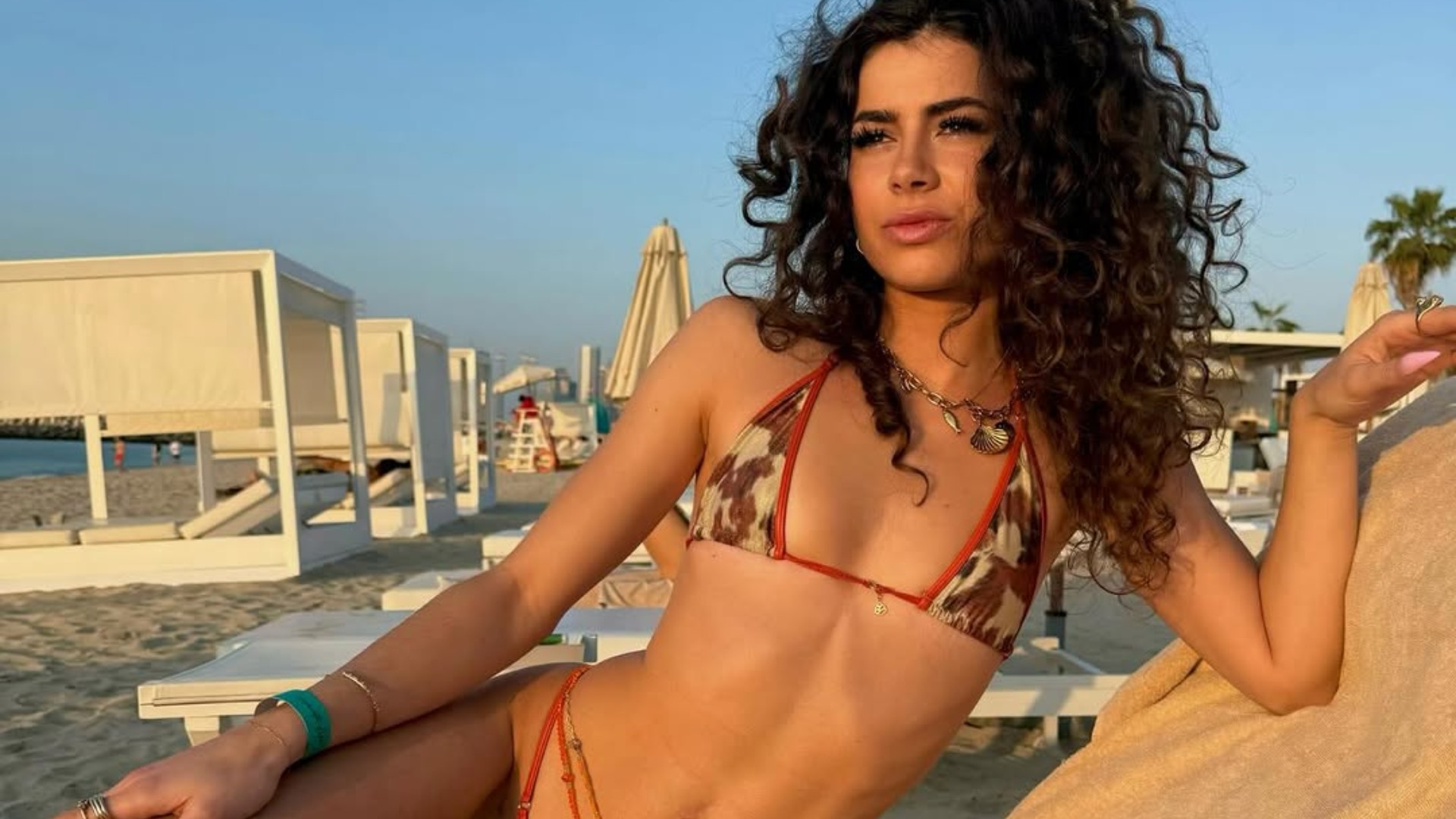
For a long time, women with small breasts felt a profound sense of injustice and cheated on their silhouette with push-up lingerie to create the illusion of a so-called generous cleavage. Now they are shedding their padding and celebrating what they previously considered a genetic disadvantage. A revenge of small breasts, showcased behind the hashtag #FashionBoobs.
When small breasts finally have their moment of glory
For many years, well-developed breasts have dominated beauty standards. However, according to some, they are only considered valuable when accompanied by a slim waist and proportionate hips. In the past, everyone fantasized about Pamela Anderson's bust, carefully showcased in the iconic red swimsuit from the series "Baywatch," and presented Brigitte Bardot as an anatomical example, an ideal of perfection.
In contrast, women with small breasts have long felt incomplete, as if their breasts hadn't finished growing. Upon leaving adolescence, their breasts remained almost as they had been in childhood: practically nonexistent. Many have considered obtaining what nature hadn't given them through surgery. Unable to afford a new bust that would fill out their bra cups, they resorted to traditional methods. How many tried to gain a few centimeters of thickness with removable cups or bras resembling bulletproof vests?
Those days are over. After years of oppression, discrimination, and nicknames like "flat-chested," small breasts are regaining their rightful place at the center of a woman's body. And this unexpected aesthetic shift is thanks to the "Fashion Boobs" trend, a buzzword that sounds like a militant slogan online. Since the emergence of this term, those most affected have been wearing tops with nothing underneath and swimsuits without padding.
@lenamicheau I don't have time for you #fashionboobs ♬ original sound - ☆
On social media, a broader movement of acceptance
This small chest, barely filling the space and fitting in the palm of your hand, has been the subject of timeless ridicule. Compared to fried eggs, mosquito bites, an ironing board, or a boy's torso, it was concealed beneath loose-fitting tops that created the illusion of volume. This "small" chest, once considered a misfortune, now garners collective admiration. Yet another striking example of the ephemeral nature of beauty standards, which can change radically overnight.
Those with breasts no bigger than a tangerine, who have been labeled "tomboys," say they are "grateful" for this trend encouraged by runway models. "Before, people said I had pecs, now they say 'fashion boobs,'" rejoices content creator @lenamicheau, delighted to have a more eloquent term to describe this part of her body. Armed with sleeveless tops , dresses with plunging necklines, and deliberately suggestive designs, women are reclaiming their small breasts and making them a source of international pride.
However, this viral emancipatory movement, which follows in the footsteps of " no bra " and " saggy boobs matter ," also has its limitations. Moreover, the term "Fashion Boobs," which claims to reconcile women with this almost "sacred" part of their bodies, is not universally accepted. Skeptics believe it pits women against each other based on their appearance and reduces "femininity" to physical details.
@lilyswrobel burn all arms ♬ because its iconic and i love to do iconic shit - shoppyshopicon
Reminder: a body should not be a trend
For years, women with small breasts considered breast implants a very serious option, but today the situation is reversing. Those who buy their lingerie tops in the last letters of the alphabet want to slim their bust and are opting for breast reduction. In 2023, a report by the American Society of Plastic Surgeons (ASPS) noted a 7% increase in these procedures and a 9% increase in implant removals.
Whether by chance or not, these aesthetic practices are part of the new trend for small breasts. While the "Fashion Boobs" trend liberates certain body types, it excludes others, those with larger breasts. It creates a hierarchy of breasts as if it were some kind of unofficial beauty pageant.
Trends come and go, but bodies remain. Beauty standards, however, constantly shift. One decade celebrates voluptuous curves, the next glorifies slender figures. What was once considered a flaw suddenly becomes an asset, then sometimes reverts to being a source of insecurity a few years later.
Perhaps the real revolution isn't about making small breasts triumph over large ones, but about finally breaking free from this ranking system. Because the most beautiful sign of progress would be if, one day, bra cup size were no longer seen as a trend to follow or abandon, but simply as one characteristic among many.