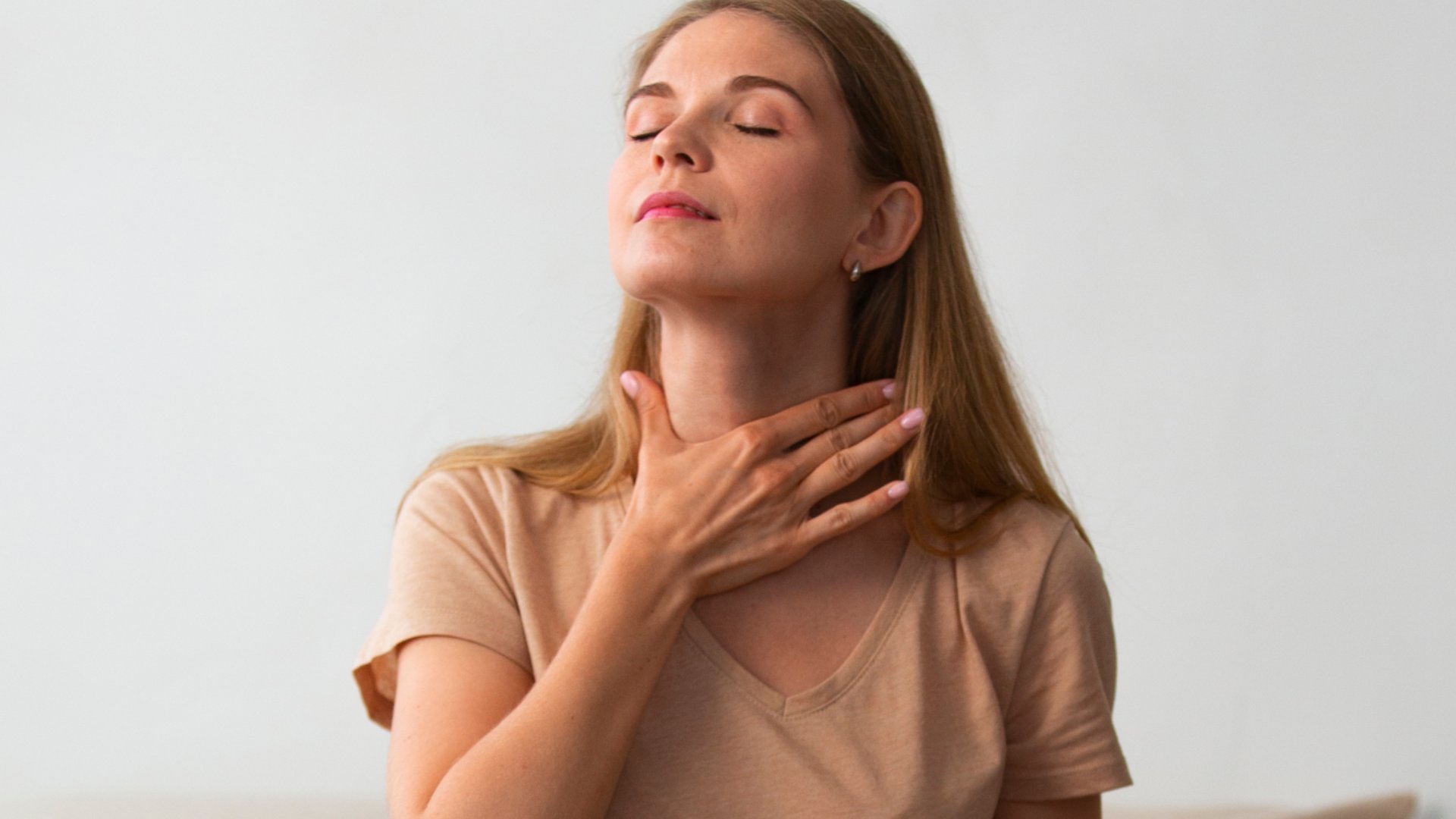
Bookings at salons, appointment dates that clash with your schedule, lack of time… You want to try lymphatic drainage, which you've heard nothing but good things about, but everything seems to be holding you back. Yet, you can perform this vigorous and invigorating massage at home, without even needing your partner's help. Because lymphatic drainage isn't just another cosmetic fad, but a genuine act of well-being.
What exactly is the purpose of lymphatic drainage?
You've undoubtedly heard of lymphatic drainage and seen some rather glowing before-and-after photos. This vigorous massage, which requires a firm grip and a deep understanding of anatomy, isn't just a trendy "beauty" practice. Often presented as a solution to cellulite or a direct path to a flat stomach, it's far less superficial than it seems. Lymphatic drainage doesn't just change the appearance of the skin; it also transforms health. Why? Quite simply because it stimulates the lymphatic system.
Unlike a traditional spa massage, which soothes tension and releases knots, lymphatic drainage works on the lymph, a relatively unknown component of the body. Lymph is a clear fluid that circulates in a discreet network, shared between your tissues and your immune system. It transports waste products and immune cells, and helps maintain fluid balance in your body.
Lymph moves thanks to muscle contractions and respiratory movements. It sometimes needs a little boost (literally) to do its job properly and provide you with that precious inner balance.
How do you know if you need it?
Judging by viral posts, lymphatic drainage seems to have only physical benefits. For many, it's just another "slimming" trick, a practice riddled with unrealistic expectations. This misconception needs to be challenged so that lymphatic drainage can finally be appreciated for its true value.
A blocked or malfunctioning lymphatic system can explain many of your ailments—you know, those problems you attribute to fatigue or a "wrong move." Your body is crying out for help, so listen to it. Here are some signs that may indicate a problem with your lymphatic system:
- Sensations of heaviness in the legs or arms
- A lingering fatigue despite a good night's sleep
- A puffy face upon waking or after a salty meal
- Dull or congested skin
- Slow or bloated digestion
- A general feeling of “weight” in the body
- A longer recovery period after exercise
Don't panic: it's not dramatic, but it's often a sign that your body needs help draining, especially during periods of stress, sedentary lifestyle or seasonal changes.
Instructions for a "home" lymphatic drainage
To perform lymphatic drainage at home, you only need one tool, and it's right at your arm's length. The idea isn't to place your hands randomly on your body, but to target key lymphatic zones. You can even use anatomical diagrams to help you. Here's how to perform this massage, which can relieve all your aches and pains, from the most obvious to the most unexpected.
Prepare the ground
Before you begin, get yourself in the right frame of mind. Drink a large glass of water. Water helps the lymphatic system circulate and optimizes the effects of the massage. Make yourself comfortable, light a candle, or diffuse a soothing essential oil like eucalyptus to create a relaxing atmosphere. Lymphatic drainage in the office bathroom between meetings is out of the question. The setting must be conducive to letting go. And that's non-negotiable.
Warm the lymph nodes
The first step is to activate the key points of the lymphatic system: the lymph nodes in the neck, armpits, behind the knees, and in the groin. Using your fingertips, gently pump these areas in a circular motion, moving towards the heart. This prepares your system to receive the flow of lymph.
Gentle but targeted massage
Use very light and slow movements. Mental visualization helps. Imagine you are guiding an invisible fluid under your skin rather than "pushing hard." It's the gentleness that promotes the movement of lymph. Your skin shouldn't be red after your fingers have passed over it. And above all, the idea isn't to move your fingers, but rather to move your skin with the natural movements of your hand.
- Neck: above the collarbones, small circles towards the inside.
- Armpits: fingers in a circle towards the heart.
- Abdomen: light pressure in the direction of digestion — as if you were drawing a wide “C” from the lower abdomen, towards the navel, then to the left.
- Legs: gently move up from the ankles to the knees, then from the knees to the groin.
Finish smoothly
Lie down, breathe deeply, and let your body absorb the movement. Calming breathing helps prolong the drainage effect. Bonus tip: if you have joint pain in your fingers that limits your time, you can use wooden gua sha tools or ergonomic rollers.
Lymphatic drainage isn't a ritual reserved for luxury spas or certified professionals. It's an accessible, gentle technique deeply connected to well-being, inviting you to listen to your body rather than force it. With a little practice, this gentle massage can become your new wellness ally, bringing a feeling of lightness, clarity, and inner harmony.