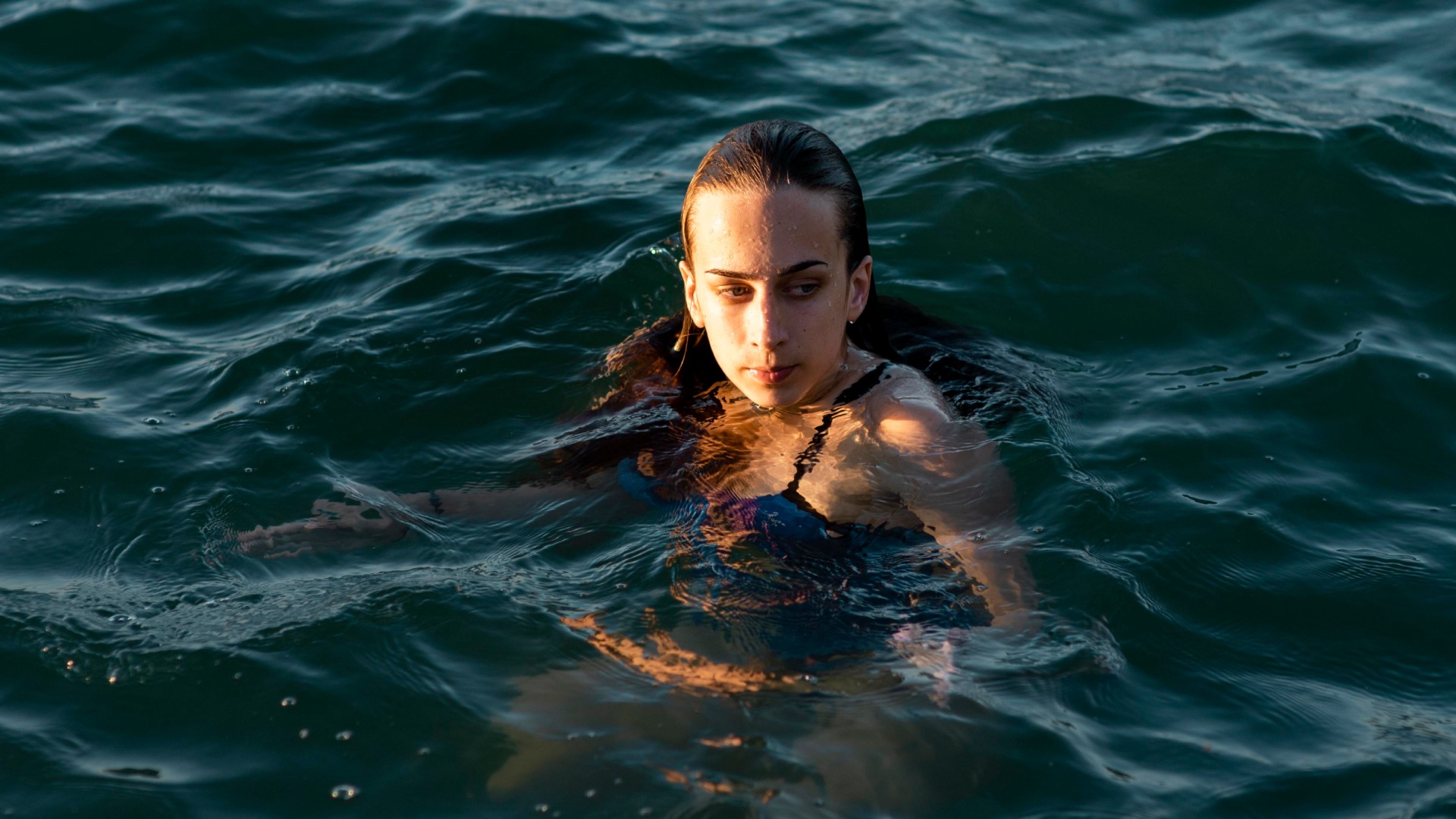
While some people revel in the idea of taking a dip in the saltwater, swimming among the waves, and jumping into the open ocean, others freeze at the sight of the horizon. Do you panic as soon as your feet leave the ground? Do you stay close to the shore even when the sea is calm? As soon as the water darkens, do you immediately imagine the worst? This profound fear of the deep sea has a name: thalassophobia. And it's far from unique.
Thalassophobia, or when the sea soothes anxieties
Many people count down the days until summer vacation, like children before Christmas. Many dream of swimming in secluded coves, of mimicking fish in azure waters with a snorkel, of renting catamarans to perform acrobatics in this giant pool created by Mother Nature. In the collective imagination, the sea and the ocean set the scene for the summer season and promise a successful holiday. Yet, what most people consider a paradise is akin to a waking nightmare for those suffering from thalassophobia. They are not only closed off to this amphibious activity, they experience genuine unease in the face of dark waters that, in just a few knots, shift from translucent azure to deep blue.
The mere thought of being on a boat in the open sea, without any sight of the shore, sends them into a state of panic. And we're not talking about some small, unstable fisherman's shack that threatens to capsize at the slightest swell. Even a ferry crossing in the dark plunges them into discomfort. Paddleboarding above a sea shrouded in mystery, its contents impossible to fathom, is simply out of the question. Performing cannonballs from a boat's diving board, despite a life jacket and sweltering heat that practically begs to be a dip, is also beyond their capabilities.
They prefer filling out crossword puzzles on their deck chairs rather than venturing into the water, a place laden with secrets and teeming with strange creatures. Perhaps you, too, have already invented excuses like "I get seasick" or "I don't want to get my hair wet" to avoid becoming the future inspiration for horror film makers. In medical terms, thalassophobia describes an intense, irrational, and uncontrollable fear of the deep sea. Lakes, oceans, and seas evoke not pleasure, but stress, sweating, dizziness, and palpitations.
Symptoms that surface in cases of thalassophobia
While many studies claim that the sea is a calming place , it has the opposite effect on those with thalassophobia. For people who suffer from thalassophobia, holidays by the water are a real ordeal. Everything reminds them of their anxieties, including promotional posters for introductory scuba diving lessons. For them, this vast expanse of water is a huge threat.
Even though the flag is green and the sea is deserted of jellyfish, they constantly see danger beneath the ripples. Often called "cowards," they nevertheless feel a real inner turmoil when they can no longer see the bottom. Faced with a dark lake, a sea that's a little too dizzying, or even the images of a documentary about corals or shipwrecks, they can experience:
- Chills
- Excessive sweating
- Breathing problems
- Heart palpitations
- Dizziness or nausea
- Chest pain or a feeling of tightness
- Anxiety attacks
Where does this fear of large bodies of water come from?
Thalassophobia is a fear that is still underestimated. Yet, it affects more than a few people. Who hasn't ever lost all sense of courage when going from the reassuring sand to utter nothingness during a leisurely swim ? Who hasn't ever jumped and sprinted to shore at full speed when they felt a stray seaweed brush against their leg? Thalassophobia doesn't come from watching horror movies set in murky waters. In reality, the ocean holds a significant amount of darkness.
To date, less than 10% of the ocean floor has been explored by humans… making it fertile ground for fears and the imagination. For humans, who hate unanswered questions and enjoy deciphering everything, the unknown is terrifying. So naturally, without visibility, we imagine prehistoric-looking creatures with sharp teeth ready to drag us into the abyss. We can't help but invent catastrophic scenarios. And this is only the tip of this psychological iceberg. Thalassophobia can also stem from childhood trauma: a swim that nearly ended in drowning, a dare that went wrong…
How to reconnect with the sea for a peaceful summer?
Good news: thalassophobia isn't inevitable, nor is it a sentence to spending every summer glued to a sun lounger, far from the shore. This fear, however overwhelming, can lessen if you don't try to fight it brutally. There's no point in forcing yourself to dive into the open sea tomorrow or agreeing to a snorkeling trip to "prove" to yourself that you're capable. With phobias, the "thunderbolt" approach rarely works.
The most effective approach remains gradual exposure. Start by observing the sea from the beach, then walk in the water up to your ankles, getting used to the movement of the waves, and advancing little by little without ever exceeding your tolerance level. The idea isn't to perform or become the next mermaid of the Calanques, but to relearn to associate the sea with a feeling of safety. The media outlet Santé Magazine, for its part, recommends hypnotherapy to mentally project oneself into this world that makes teeth chatter. It also extols the virtues of cognitive behavioral therapies to replace fear with serenity.
After all, reconnecting with the sea doesn't necessarily mean swimming across the Atlantic. Sometimes, it's simply a matter of dipping your toes in the water without imagining that a sea monster lurks beneath the foam.