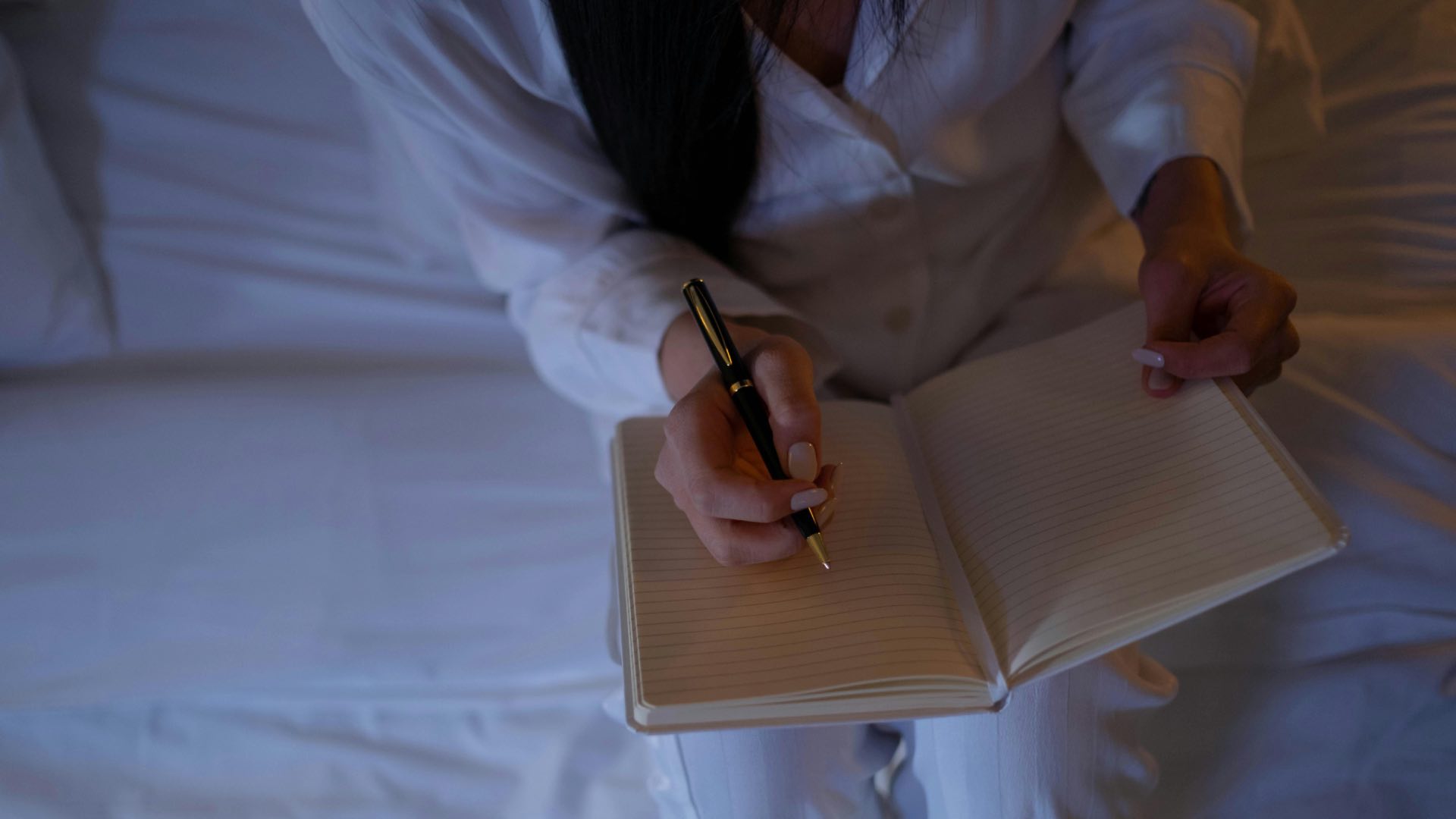
In the age of all things digital and incessant notifications, taking the time to write for oneself seems like a true luxury. In 2026, the personal journal is experiencing a revival, appealing to young and old alike in search of calm, clarity, and mental well-being. What was long perceived as a teenage activity is becoming a valued tool for reconnecting with oneself.
An ancient practice, brought back into fashion
Keeping a diary is nothing new. For centuries, historical and literary figures have used personal writing to record their thoughts, emotions, and experiences. Today, this habit is experiencing a revival in a context marked by hyperconnectivity. Faced with the constant flow of information and digital overload, writing by hand allows us to slow down, refocus, and take a well-deserved break.
This return is also part of a broader movement towards "analog" activities: reading paper, creative hobbies, or simply the pleasure of touching and manipulating a notebook, away from the screen.
A recognized tool for mental health
Journaling is not limited to a nostalgic activity; it also benefits from scientific support. Psychological research, particularly the work of American psychologist James W. Pennebaker, shows that expressive writing can help better manage stress, structure thoughts, and gain perspective on difficult events.
Writing down your emotions, worries, or successes acts as an emotional release valve, especially during periods of transition or uncertainty. It doesn't replace professional support when needed, but it's an accessible and practical way to improve your daily psychological well-being.
A space for oneself, completely private
In a world where almost everything is shared online, a personal diary offers a silent refuge. Here, there is no audience, no algorithm, no pressure to validate. This absence of external scrutiny fosters authentic and free expression: one writes without filters, without seeking to please or perform. This need for privacy affects teenagers as much as adults. Many find in it a personal space to reflect, listen to themselves, and understand themselves, sheltered from the eyes of others.
Formats suitable for everyone
The personal journal is no longer limited to a simple "blank notebook." In 2026, journaling comes in many forms: bullet journals, guided journals, structured journals, or dedicated apps. Some offer questions or exercises related to gratitude, emotions, or personal goals, making it easier for beginners to get started.
Meanwhile, creators are sharing their writing routines on social media, democratizing this habit and inspiring new generations to pick up a pen rather than a keyboard.
@jtaimelikejaimelesfraise #diary #prt #foryou #fyp ♬ original sound - .
Writing to get to know oneself better
Beyond its calming effects, journaling fosters self-knowledge. Rereading one's writings allows one to identify patterns, observe changes, or better understand one's reactions to certain situations. This practice is part of a holistic approach to self-care, alongside meditation, therapy, or personal development. And the beauty of this habit lies in its flexibility: it can be daily or occasional, structured or spontaneous.
A simple, sustainable and accessible practice
The success of the personal journal also lies in its simplicity: a notebook and a pen are all you need. No special equipment or specific skills are required. In a world where wellness solutions can sometimes seem complex or expensive, this accessibility makes it a valuable tool.
Far from being a passing fad, the personal journal fulfills a fundamental need: to slow down, express oneself, reflect, and reconnect with oneself. It offers a discreet yet effective respite from an often hectic daily life, allowing for a better understanding of one's experiences and the nurture of one's mind.
In 2026, the personal diary is once again captivating people because it combines intimacy, freedom, and well-being. Simple, accessible, and deeply personal, it remains a silent yet powerful companion for anyone wishing to reconnect with themselves.