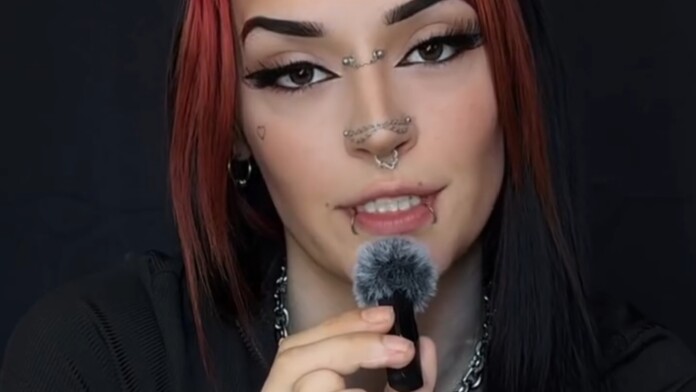
A single phrase posted on social media was enough to reignite a global debate. Why do so many women apologize for existing, speaking out, or simply being themselves? A viral question, and thousands of responses all pointing to the same conclusion.
A simple question that sparked a wave of awareness.
It all started with a video by American content creator Arianna Kyanne on TikTok. In it, she questions an almost invisible yet ubiquitous habit: the reflex to apologize, especially for one's appearance. Unkempt hair, a tired face, no makeup… these are all situations where a "sorry" pops up for no real reason. Her phrase , "You don't owe your beauty to the world," resonated far beyond the platform. The message circulated widely, shared on Instagram, X (formerly Twitter), and even in women's newsletters. Very quickly, the discussion broadened: why do women still apologize for?
A long list of "sorry"s that are completely unnecessary
The responses from internet users form an almost liberating inventory. No more apologizing for one's natural appearance: no makeup, gray hair accepted, "imperfect" skin, tired features after a long day. It also means no more apologizing for one's body, its shape, its variations, its signs of life. The body changes, breathes, evolves—and doesn't need to be justified.


The list continues in everyday situations: speaking up in meetings, taking a seat on public transport, asking for a favor, saying no, setting boundaries, correcting a mistake. Or even crying, hesitating, reflecting, existing without apologizing for taking up time or space. Behind these examples, one idea recurs: many women have learned to fade into the background before they've even become too visible.
What research reveals about this deeply ingrained reflex
This phenomenon is not just a feeling. Research in psychology, notably that of Karina Schumann and Michael Ross published in Psychological Science, shows that women apologize more frequently than men. The difference does not stem from greater politeness, but from a broader perception of what constitutes "fault."
Women tend to view more situations as requiring apologies, even when they are not objectively apologetic. Other studies, notably at the University of Arizona, confirm this trend and highlight the impact of early social learning: being agreeable, discreet, and accommodating.
When "sorry" becomes an invisible obstacle
In professional life, this reflex can have significant consequences. Management research shows a gap in self-assessment between men and women: with equal performance, women tend to underestimate themselves more. In meetings, phrases like "sorry to bother you" or "just a quick question" seem innocuous.
Yet, they contribute to a subtle form of self-effacement, which influences how their words are perceived and sometimes valued. In the long run, this can affect recognition, displayed confidence, and career opportunities. Not through a lack of competence, but through excessive caution.
Towards a more direct, freer form of speech
In recent years, voices have been raised to dismantle this reflex. Communication campaigns, authors, content creators, and wellness professionals are encouraging a more assertive, less self-justifying approach to speaking up. The goal isn't to become "abrupt" or less attentive to others, but simply to replace the knee-jerk excuse with more neutral and confident communication: speaking, asking, asserting, without fading into the background.


Perhaps, ultimately, the real transformation lies in these small, everyday adjustments. Replacing the automatic "sorry" with a simple, deliberate silence. And remembering that taking up space isn't a fault to be rectified.