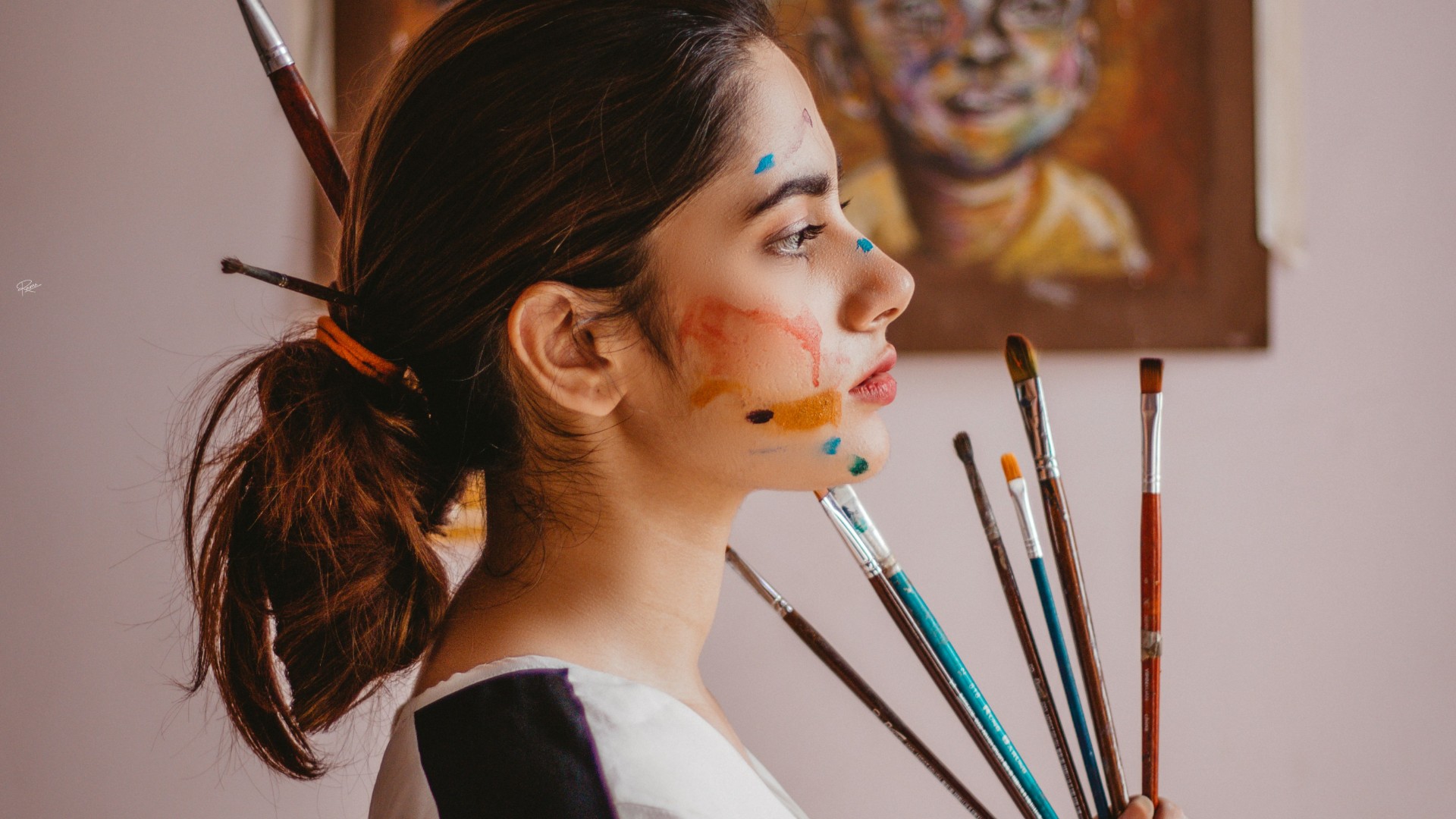
You dabble in extracurricular activities, from pottery classes to stadium corridors, without ever feeling like you belong. During childhood, passions are joyful and carefree recreational pursuits, but in adulthood, these hobbies become a relentless pursuit of perfection, a dangerous performance game. Instead of striving for excellence in every hobby, psychologists recommend a different, more sensible approach.
The average duration of a hobby among adults
During childhood, hobbies arise almost spontaneously: around a blank sheet of paper, a microphone with chaotic sound, or a curb transformed into a tightrope walker's beam. We don't wonder if we're doing better than the neighbor or if our movements are Instagrammable. We live in the moment and think of nothing but our own happiness. In adulthood, once we're weaned off our carefree days, things aren't quite the same. We give in to the temptation of trendy activities, touted in magazine articles or behind viral hashtags.
People take up padel to show off to their colleagues, or they try Pilates reformer, motivated by the women in pastel outfits who flood our social media feeds. In fact, these days, almost everyone is lacing up their running shoes. Overnight, casual runners who gasp for air on the first leg suddenly find themselves running marathons. The same is true for other hobbies, which are supposed to be secondary distractions, opportunities to unwind after work, not a quest for excellence or a competition.
In a society that constantly pushes for success, even in wellness activities, we always aim higher. We can't take up a hobby without imagining ourselves breaking personal records. We've barely started brisk walking in the city before we're already dreaming of climbing Everest. This desire to "outdo" ourselves or progress faster than average has the opposite effect and exhausts us. As a result, we quickly lose interest, thinking, "This isn't for me." According to a study by the British Heart Foundation , the average lifespan of hobbies among adults barely reaches 16 months.
Social pressure to always "exceed one's limits"
By definition, a passion is a "keen interest in something." Except that our current society, which values productivity more than the enjoyment it provides, has completely distorted the very concept of a hobby. We play a musical instrument hoping to become a YouTube sensation or join a successful band, not to unwind. We sing, not to release our emotions, but to pass the auditions for a TV talent show. It's as if a jury is judging our every move. In fact, our inner voice is often harsher and more uncompromising than our yoga instructor or the person who started our knitting group.
We pursue hobbies to impress our followers, shine in public, and garner admiration, as if our lives were an unrealistic advertisement. "Adding financial pressure to a passion or setting overly high goals for a hobby can hinder our well-being because it deprives us of the simple pleasure of engaging in that activity," explains therapist Rose Fisher in Refinery 29 .
Furthermore, hobbies serve a completely different purpose: they are, above all, moments of escape. We shouldn't try to be the best student or surpass the teacher, but simply experiment. It doesn't matter if our drawing resembles that of a kindergartener or if our yoga pose is incorrect. The idea is to clear our minds. "Engaging in occasional hobbies simply for pleasure is important for our mental health and overall well-being," the expert adds.
The counter-proposal: taking leisure lightly
You shouldn't sign up for climbing lessons just to garner a few compliments at family dinners. Nor should you try contemporary dance solely to be able to say , "Look what I can do!" What if the secret wasn't finding a passion that defines you, but simply an activity that makes you feel good in the moment? You don't need to be a piano prodigy, a crochet queen, or a future marathon runner to legitimize your hobby. A pastime doesn't have to become a secondary performance , or a disguised new LinkedIn profile line.
According to therapist Rose Fisher, activities done without a specific outcome open the door to what psychologists call flow. This particular mental state is one in which you are so absorbed in what you are doing that the rest of the world fades into the background. You stop counting the minutes, checking your notifications, and wondering if you are "good enough." You are simply there, focused, present, almost weightless.
This is precisely what many adults have lost along the way. By transforming every hobby into a self-improvement project, we forget the most precious feeling: that of doing something without expectations, without external validation, without a checklist of goals to achieve. Perhaps you love to paint without knowing how to draw a proper perspective. Perhaps you adore singing off-key in your kitchen or gardening without managing to keep a basil plant alive for more than two weeks. So what? Pleasure doesn't require a certificate of competence.
Ultimately, a hobby is about fulfilling a personal desire, not about image pressure. And sometimes it's better to do it halfway than to expend all your energy on it.