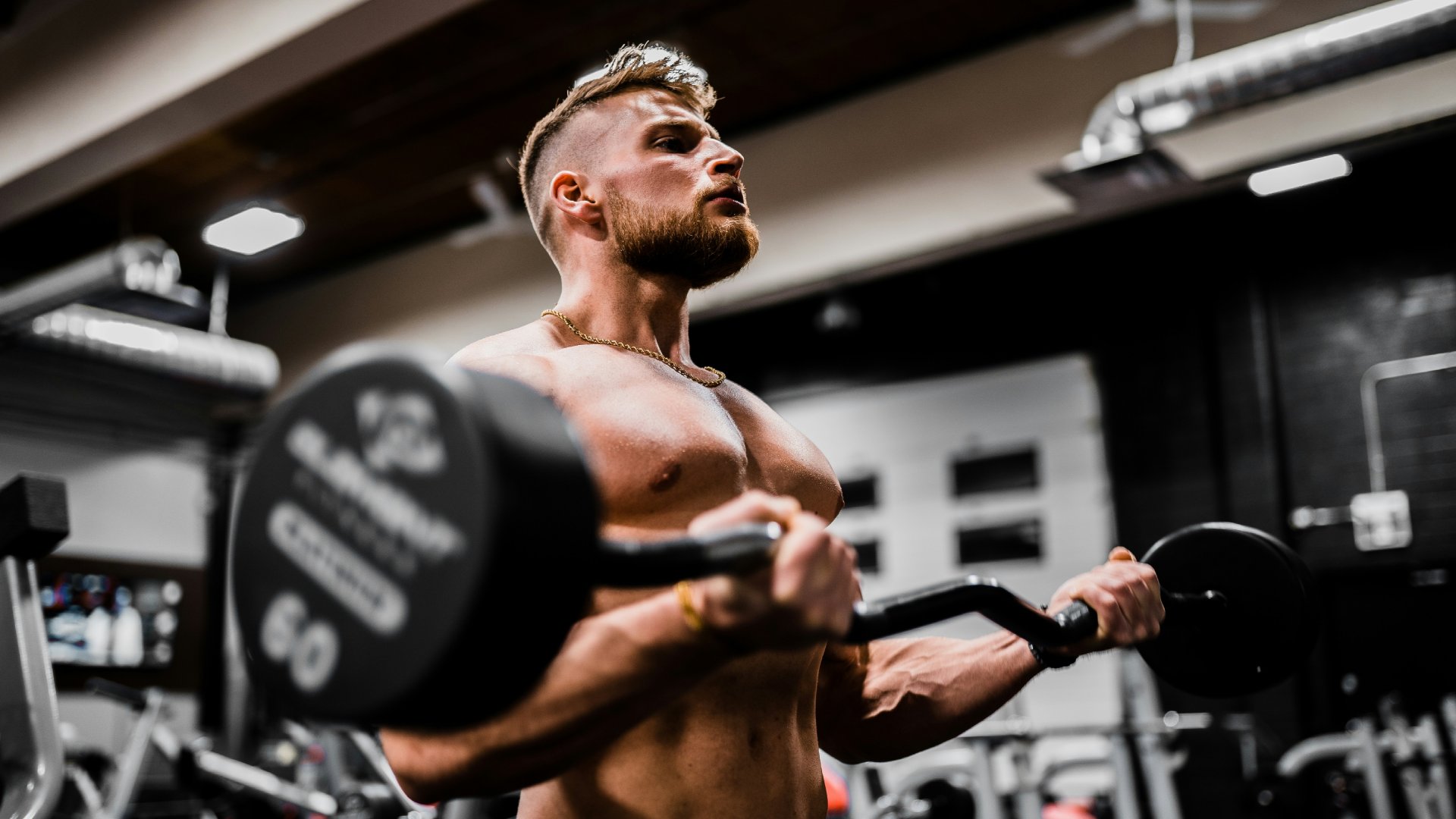
Optimizing one's appearance, taking care of one's body, feeling good in one's own skin: nothing new under the sun. However, a trend originating on social media is taking this logic much further. "Looksmaxxing" is as intriguing as it is alarming, particularly among young men.
When the body becomes a project to be optimized
Lookmaxxing is based on a simple… and dangerous idea: your appearance is the key to your success. Flirting, social status, confidence—everything supposedly hinges on your physique. On platformslike TikTok , Reddit, and YouTube, a wealth of content encourages users to analyze every detail of their face and body: symmetry, jawline, eyes, proportions. Some even go so far as to offer beauty “rankings” or “scores,” as if there were a universal formula for “perfect masculinity.”
As a result, your body can quickly be perceived not as a space to inhabit, but as a project to be constantly improved, corrected, and optimized. A vision that can become exhausting and disconnected from reality.
Practices that can go too far
While self-care can be positive, some practices associated with looksmaxxing go far beyond this. These include techniques such as "mewing" (positioning the tongue against the palate to modify the jaw), intensive chewing exercises, very strict diets, and extreme physical training.
Even more worrying, some dangerous methods are circulating, such as "bone-smashing," which involves striking facial bones in an attempt to reshape them. Healthcare professionals warn of very real risks: injuries, joint problems, nerve damage… not to mention the psychological impact. Because when the desired results are not achieved—which is often the case—the frustration can be intense.
A mental pressure that sets in
Behind this quest for "maximization," there is also an impact on mental health. Some specialists are observing an increase in body image disorders among men, particularly body dysmorphic disorder. In this case, you may feel that your body is never muscular enough, never defined enough, never "perfect" enough, even if this isn't the reality.
This focus on "flaws" can lead to anxiety , loss of confidence, social isolation, or even unbalanced eating habits. The trap? Thinking that the problem stems solely from your appearance, when it is often linked to how you see yourself.
A very rigid view of masculinity
Lookmaxing isn't just about aesthetics. It also promotes a highly codified image of masculinity : a square jaw, a lean and muscular body, a dominant posture, and a cold stare. This model leaves little room for the diversity of bodies, styles, or personalities. It can also reinforce virile norms, where a man's worth is linked to his appearance and attractiveness.
For some young people, this quest becomes a way to regain control in a world perceived as uncertain. Except that this control comes at a cost: constant pressure, perpetual comparison, and difficulty feeling "enough".
A warning from professionals
Faced with the scale of the phenomenon, psychologists and sociologists are sounding the alarm . Testimonies from young men suffering from this problem are multiplying: obsession with mirrors, addiction to selfies, and feelings of failure in the face of unattainable standards. Social media plays an amplifying role. By constantly seeing the same faces, the same bodies, the same "ideals," these images end up seeming normal, even though they are often unrealistic or heavily filtered.
Towards a more peaceful approach to the body
Fortunately, alternatives are emerging. More and more specialists are encouraging a more nuanced approach to self-image: developing critical thinking skills regarding online content, valuing body diversity, and proposing more open models of masculinity.
Your body isn't a problem to be fixed, nor a project to be made profitable. It evolves, it expresses itself, it accompanies you every day. Taking care of yourself can remain a positive process, as long as it doesn't turn into constant pressure. You have the right to want to feel good in your body, without trying to conform to a single ideal.
Ultimately, what the debate around looksmaxxing highlights is an essential question: what if feeling good doesn't just depend on what we see in the mirror, but also on how we choose to look at ourselves?