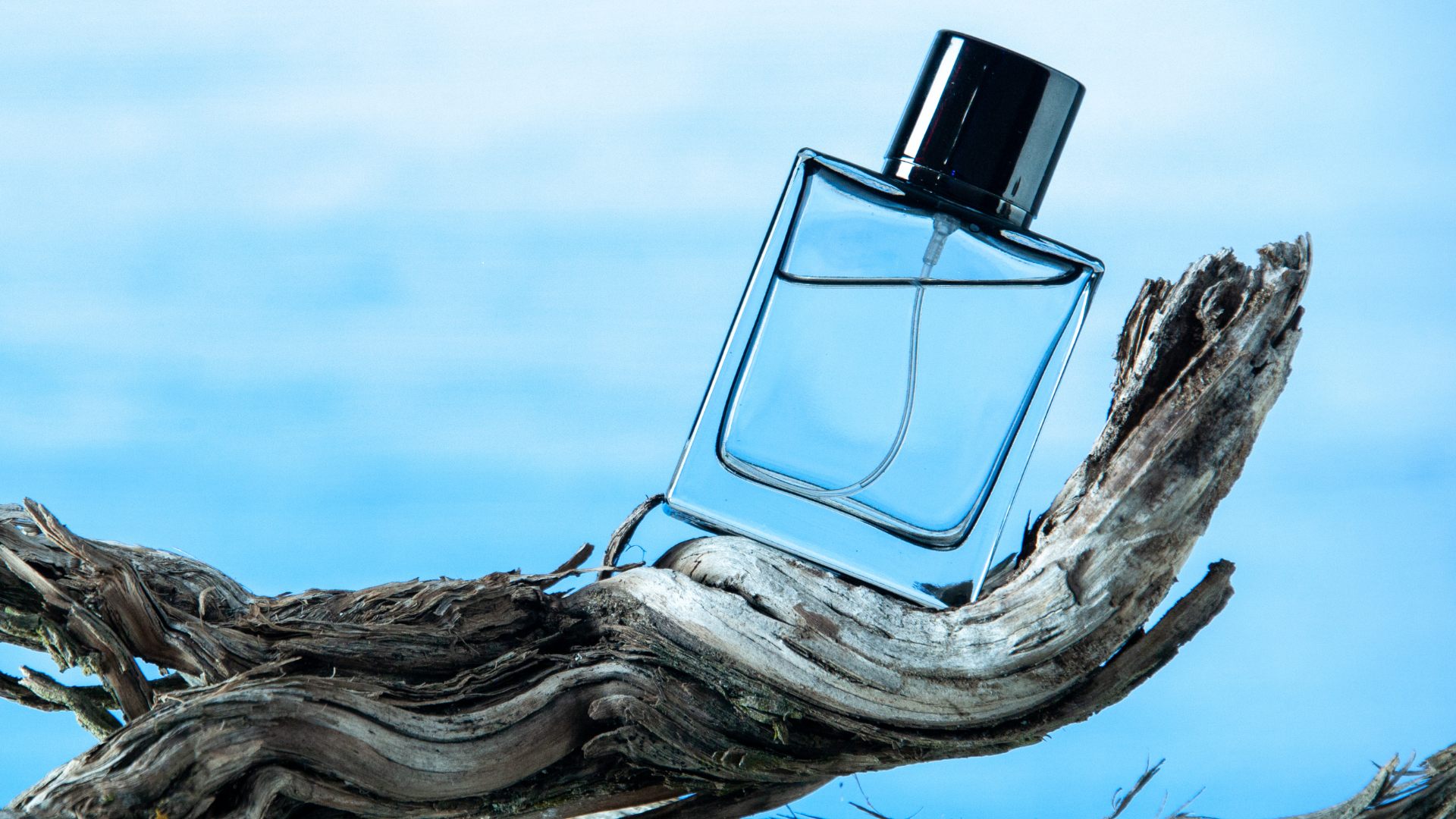
Did you think it was reserved for childhood memories or your grandparents' shelves? Surprise: in 2026, eau de Cologne is making a dazzling comeback in fragrance trends. Fresh, light, and elegant, it appeals to a generation seeking authenticity and simplicity.
A historical icon that has regained its modernity
Cologne isn't a recent invention. Created in 18th-century Cologne, Germany, its original formula is attributed to Giovanni Maria Farina. His idea? To capture the freshness of an Italian morning in a bottle. Lemon, bergamot, neroli, rosemary… all diluted in a high proportion of alcohol for a lively and airy sensation.
Unlike more concentrated perfumes, eau de Cologne typically contains between 2% and 5% aromatic essences. The result: a subtle trail, an immediate burst of citrus, and an impression of refined cleanliness. For years, this lightness was perceived as a lack of sophistication, especially compared to the intense and opulent perfumes of the 1990s and 2000s. Fashion cycles are unpredictable, and what was once considered "dated" suddenly becomes desirable.
Why is she appealing again in 2026?
It's no coincidence that cologne is making a comeback.
First, there's the quest for lightness. Today, many of you prefer subtle, less overpowering fragrances that respect your personal space and that of others. Current olfactory trends highlight delicate citrus, green, and floral accords. Minimalist aesthetics prevail, and cologne fits perfectly within this trend.
Then, vintage revitalized every sector, from fashion to interior design. Perfumery was no exception. Major brands reissued their iconic creations, while new labels revisited the genre with modernized compositions. Cologne was no longer a dusty relic; it became a chic staple.
Finally, your habits are changing. You no longer necessarily wear a fragrance as an overpowering signature from morning till night. Cologne is becoming a daily, almost sensory ritual: after showering, before going out, or even as a touch-up during the day. It can also be layered with other fragrances to create a personalized scent trail.
A market that adapts to your desires
The major fragrance houses have understood this well. Maison Francis Kurkdjian and Acqua di Parma have been offering contemporary interpretations of cologne for several years, playing on vibrant citrus notes, soft musks, and subtle woods. Meanwhile, niche brands are focusing on minimalist formulas, sometimes enriched with natural ingredients, reflecting your desire for transparency and clearer compositions.
The success of scented mists and "skin scents"—perfumes that blend seamlessly into the skin—confirms this trend. You no longer necessarily seek to announce your arrival by scent upon entering a room. You prefer a fragrance that accompanies your presence, like a natural extension of yourself.
An inclusive and versatile fragrance
Another advantage is its unisex positioning. Historically worn by both men and women, cologne transcends genders with elegance. At a time when olfactory boundaries are blurring, this refined neutrality appeals to a wide audience.
It also integrates perfectly into your professional life. In environments where overpowering perfumes can be frowned upon, Cologne offers a fresh, respectful, and luminous alternative.
In short, the return of cologne isn't simply a matter of nostalgia. It reflects a profound evolution in your expectations: more lightness, more naturalness, more authenticity. In 2026, cologne is no longer a relic of the past. It becomes a discreet statement: one of understated elegance, assertive freshness, and simple pleasure. Which goes to show that sometimes, modernity simply means rediscovering what already worked perfectly.