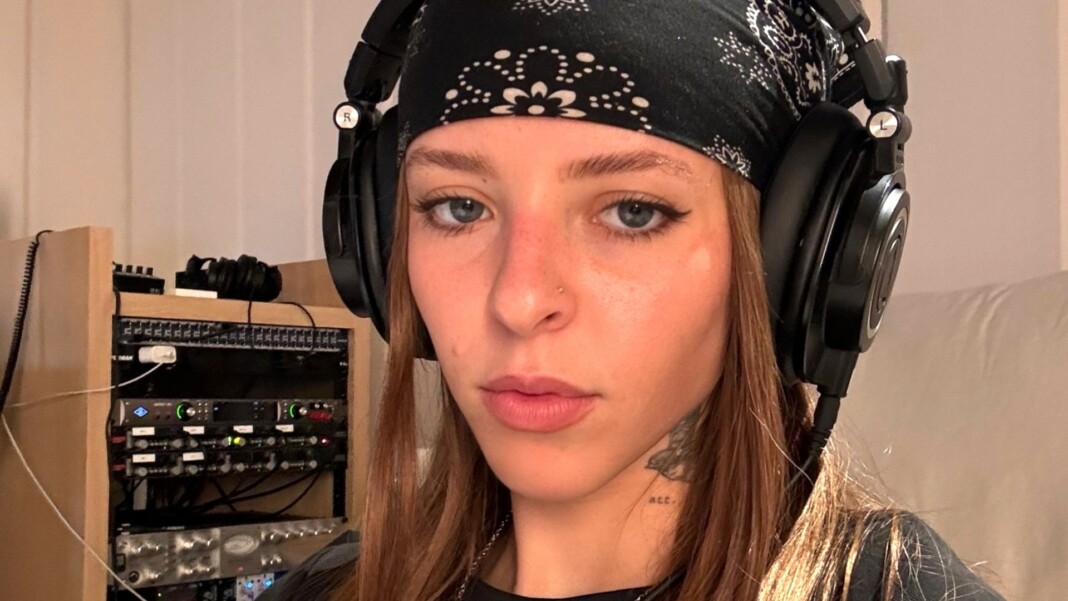
Puerto Rican rapper and singer-songwriter Young Miko faces criticism for being "too masculine" due to her androgynous style and "aggressive trap flow".
A streetwear style that is not universally popular online.
Young Miko often sports oversized hoodies, wide-legged pants, XXL chains, chunky sneakers, and short hair or a slicked-back ponytail—a "tomboy" look that clashes with the so-called traditional "feminine codes" of reggaeton. This revisited Y2K style—inspired by anime and tattoos—reinforces her image as a "queer queen," but attracts mockery on social media, accusing her of being "not womanly enough" or "like a boy."
View this post on Instagram


Queer backlash in urban Latin
Her direct rap – as in "Lisa" or "Rookie of the Year" – adopts the macho codes of urban rap, where flirting is direct and unfiltered. This stance, often described as an "aggressively masculine positioning," subverts the norms of a genre historically marked by patriarchy and homophobia. The result: a virulent online backlash, where some judge her "too butch for a lesbian," revealing the still-strong normative expectations, even within her own audience.
As an openly lesbian artist, Young Miko challenges conventions by portraying sapphic relationships without reducing them to suffering or marginality. This visibility, however, is accompanied by recurring sexist and homophobic criticism: remarks about her body being deemed "too masculine," about her appearance without makeup, or about her refusal to conform to traditional gender categories.
This contrast is all the more striking as his success continues to grow – sold-out concerts, notably at El Coliseo in 2025, and major collaborations with figures in the genre such as the Colombian Latin trap and reggaeton singer Karol G. Despite this, criticism persists on social networks such as TikTok or Reddit, illustrating the tensions between artistic evolution and cultural resistance in the urbano scene.
View this post on Instagram
Nominated for a Latin Grammy, sold-out XOXO tour: Young Miko finally turns criticism into strength, creating a safe space for LGBTQ+ people in Latin trap (a musical subgenre of Latin hip-hop).