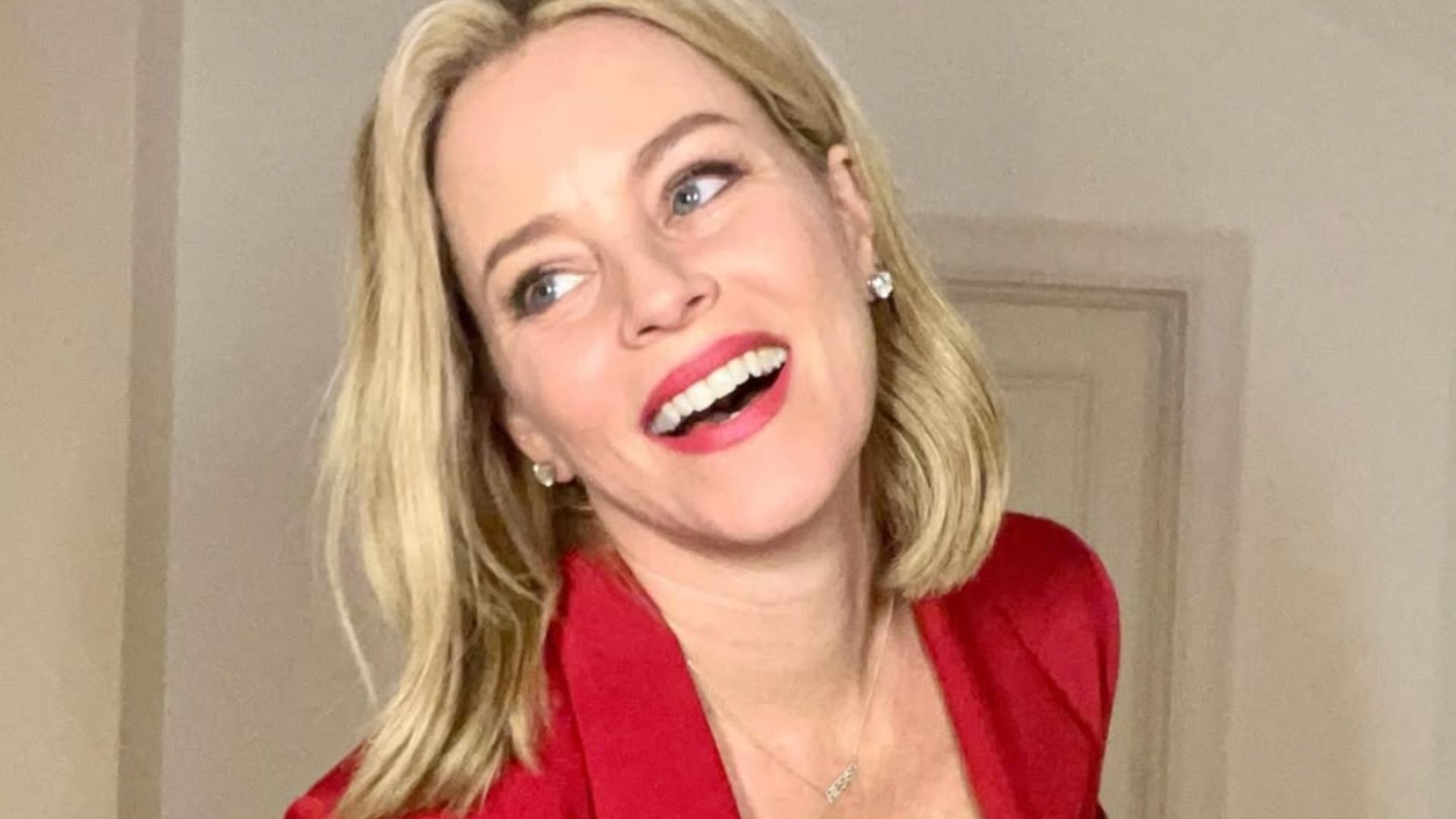
Elizabeth Banks has chosen to speak about a subject still too often shrouded in silence: infertility. In a recent TikTok video as part of a podcast, the American actress, producer, director, and screenwriter speaks candidly about the shame and guilt she long felt.
A rare comment on an intimate subject
Known for her film roles, particularly in the "Hunger Games" saga, Elizabeth Banks has decided to publicly address a personal struggle: her infertility. On TikTok, she explains that she has never been pregnant and has long sought to understand why. The actress states that she is among the women facing what is called "unexplained" infertility.
She explains that she produced eggs and embryos, but that the embryos did not implant. She describes, in simple terms, the feeling of having a "broken womb," a phrase she says she used to explain the situation to her children. By sharing this experience, Elizabeth Banks sheds light on a reality faced by many women, but still rarely discussed publicly.
"I felt less like a woman."
Beyond the medical aspect, it is the symbolic weight of infertility that the actress denounces. Elizabeth Banks explains that she felt "a profound shame," as well as a sense of incompleteness. In her words, in a society where motherhood is often associated with the very definition of femininity, not being able to conceive can make one feel "less of a woman." She emphasizes that this social pressure weighs particularly heavily on women, whose worth is sometimes still tied to their ability to procreate. This reflection goes beyond her personal experience. It questions cultural norms and the persistent expectations surrounding the maternal role.
A reality that affects millions of people
The World Health Organization (WHO) published an estimate in 2023 indicating that one in six people worldwide will experience infertility during their reproductive lifetime. This represents approximately 17.5% of the adult population. These figures serve as a reminder that infertility is neither rare nor marginal. It affects couples from all walks of life and can have multiple causes—medical, hormonal, genetic, or unexplained.
Research reported by National Geographic also highlights that fertility declines with age. At 30, the average probability of conceiving within a year is estimated at around 75%, while at 35, it drops to around 66%, although many individual factors come into play.
Between guilt and lack of information
Elizabeth Banks emphasizes another point: the lack of clear and accessible information on women's reproductive health. She describes a journey marked by "medical gray areas" and a "feeling of being misunderstood." She also highlights the existence of a double standard. While infertility can also affect men, the social and symbolic pressure placed on women remains distinct.
The pressure to become a mother, still very much present, can reinforce guilt and psychological distress. By speaking openly about her experience, the actress helps to normalize these discussions and reduce the sense of isolation that those affected may feel.
Speaking out to alleviate shame
Now a mother thanks to surrogacy, Elizabeth Banks explains that she had to grieve the loss of her pregnancy before she could consider other paths to parenthood. She describes this process as "a loss to accept," a "significant emotional step." Her story is part of a broader movement of public figures who choose to share their fertility struggles.
This visibility opens up a space for dialogue on a subject long considered taboo. By stating that she "felt less of a woman," Elizabeth Banks is not seeking to reinforce this idea, but rather to deconstruct it. Her message is clear: being a woman is not simply about the biological capacity to have a child.
By breaking the silence surrounding her infertility, Elizabeth Banks gives voice to an intimate experience shared by millions. Her story reminds us that motherhood does not define a woman's worth and that infertility should never be a source of shame. Through speaking out, she helps to shift attitudes, encouraging greater empathy, information, and understanding of a reality that is still too often silenced.