Discussions surrounding natural pregnancy loss (miscarriage) remain largely shrouded in silence and invisibility. By sharing an intimate text, French singer-songwriter, actress, and television presenter Élodie Frégé helps to open an essential dialogue about perinatal grief and the complexities of the desire for motherhood.
An intimate interview on the show "Piquantes!"
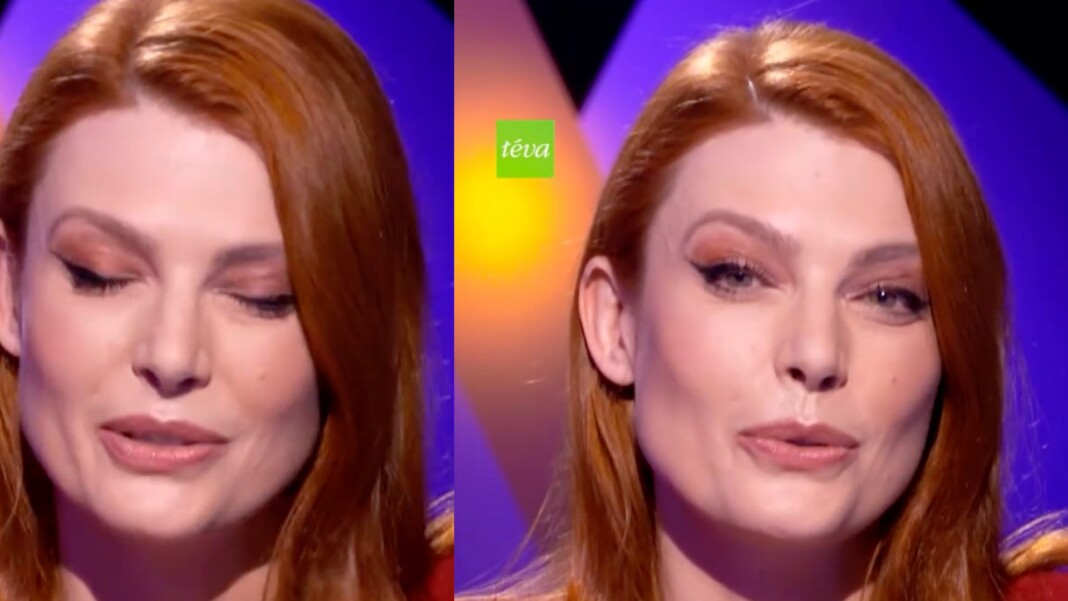
During an appearance on the show "Piquantes!" broadcast on Téva, Élodie Frégé shared a personal text about the natural miscarriage she experienced. Entitled "To you, the daughter I never had," this account takes the form of a direct letter to the child she had imagined carrying.
Known for her sensitive lyrics and introspective artistic style, Élodie Frégé reflects on what this pregnancy, though brief, awakened within her. She evokes the child she might have known, imagining their tastes, personality, and the bond they could have built. Without delving into medical details, she chooses a poetic approach to express the void left by this experience. She describes, in particular, how this fleeting presence transformed her perception of herself and her relationship to motherhood.


View this post on Instagram
A testimony that sheds light on a still taboo subject.
Miscarriage remains a common experience, yet it is still rarely discussed publicly. According to data from the World Health Organization, one in many pregnancies can end in spontaneous termination, often during the first trimester. However, many women report feeling isolated after such an event.
By sharing this text, Élodie Frégé helps to make visible a reality experienced by many people. Her testimony also highlights the diversity of experiences related to motherhood. In particular, she raises the idea that not explicitly expressing a desire for children does not necessarily mean a lack of desire or a lack of longing.
In her account, she explains that indecision about the desire to become a mother can coexist with openness to the possibility of pregnancy. This nuance highlights the diversity of experiences and the difficulty of reducing motherhood to a fixed project or a universal certainty.
The relationship to motherhood, between social expectations and personal experience
Prior to this public statement, Élodie Frégé had already addressed women's health issues publicly, particularly endometriosis, a chronic disease that has long been underdiagnosed. These various interventions are part of a broader effort to bring visibility to experiences that are often minimized or receive little media attention. The singer's testimony thus contributes to a better understanding of the challenges related to reproductive health and the emotional experiences that can accompany certain stages of life.
By imagining the personality of the child she never knew, she evokes the possibility of a symbolic bond that continues to exist despite the absence. She describes, in particular, what this pregnancy awakened within her, referring to "a lasting inner transformation."


Breaking the silence surrounding perinatal bereavement
Public testimonies from celebrities can help shift societal perceptions of certain sensitive topics. By sharing her experience, Élodie Frégé contributes to the recognition of a grief that is still sometimes minimized. Perinatal grief can take many forms and does not always correspond to traditional representations of motherhood. Some people may feel a deep attachment from the first weeks of pregnancy, while others describe a more gradual process.
Being able to share these experiences in the media encourages freer expression and reminds us that every journey is unique. Experts regularly emphasize the importance of emotional and social support in navigating this type of ordeal.
An artistic voice true to its universe
Élodie Frégé's approach is consistent with her artistic style, characterized by sensitive and introspective writing. By sharing this text, she offers a form of expression that blends imagination and personal experience. The use of poetry allows her to evoke an intimate subject (the natural loss of pregnancy) without resorting to a detailed factual narrative. This artistic distance helps preserve the personal dimension of the testimony while allowing the audience to identify with some of the emotions evoked.
This type of public statement is part of a broader evolution in media coverage of reproductive health issues. These personal accounts are gradually helping to break down certain taboos and encourage better information.
By sharing this text, Élodie Frégé puts words to an experience still too often lived in silence: the natural loss of pregnancy (miscarriage). Her testimony highlights the diversity of journeys related to motherhood and the importance of a respectful media space for addressing these sensitive subjects.