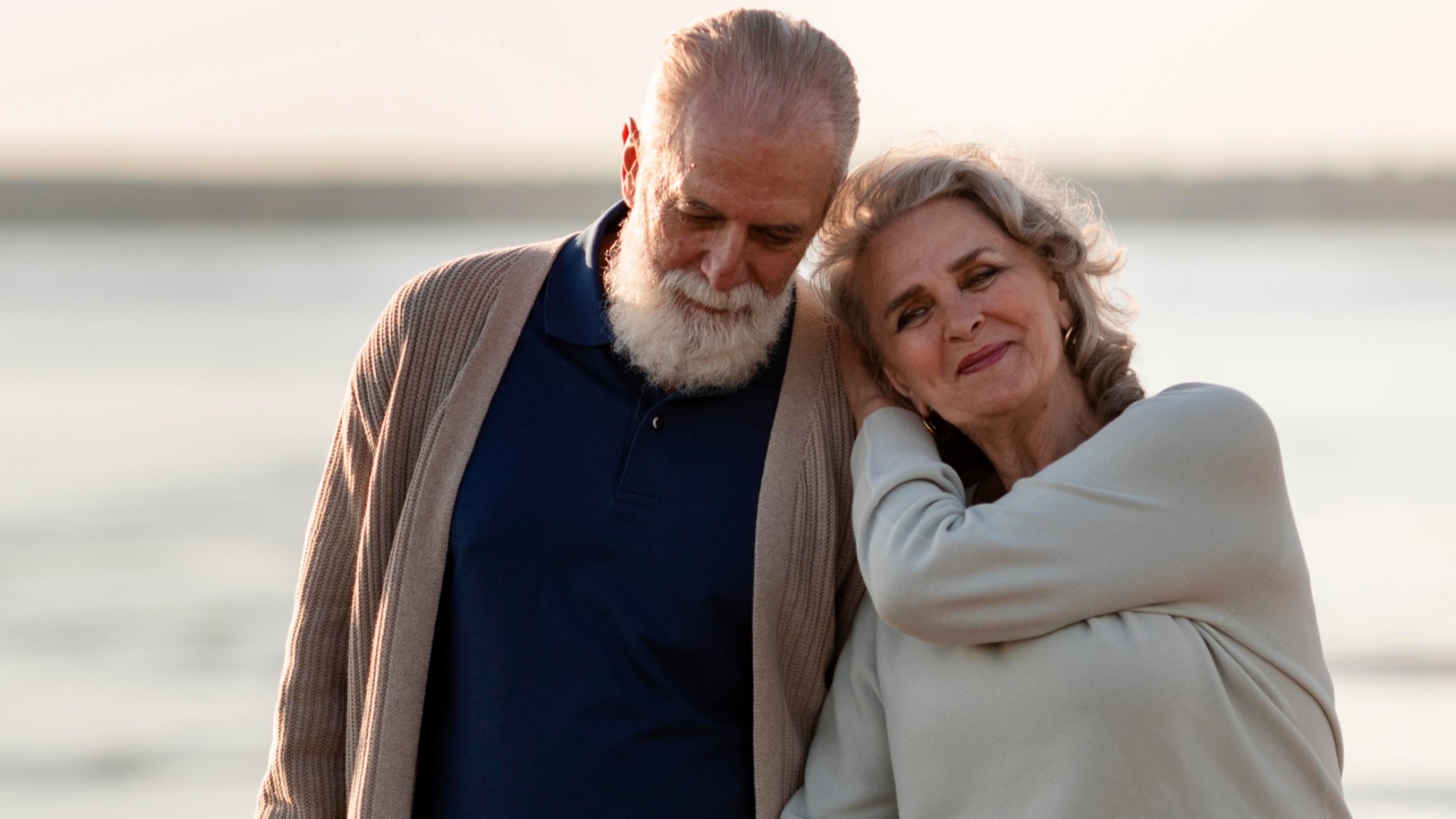
When it comes to health and life expectancy, comparisons between women and men are frequent. And for good reason: biological, social, and medical trajectories still differ significantly. In France, a recent analysis conducted by the DREES (Directorate for Research, Studies, Evaluation, and Statistics) highlights an interesting reality: not only do women live longer, but they also spend more years in good health, with functional and independent bodies. This finding invites us to look at age differently, moving beyond alarmist stereotypes.
A new tool for talking about the body that ages well
For a long time, life expectancy was the primary indicator used to measure the health of a population. However, living a long life says nothing about the quality of those years. It is precisely to fill this gap that the DREES (Directorate of Research, Studies, Evaluation and Statistics) has integrated a new indicator into its studies: disability-free life expectancy. This tool makes it possible to assess the number of years lived without major limitations, those that hinder daily activities or independence.
Thanks to this more nuanced approach, aging appears in a more complex light. The body is no longer seen as a declining organism, but as an ally capable of enduring, adapting, and conserving its resources longer than previously thought.
France is rather well positioned in Europe
The results of this analysis are encouraging at the European level. France ranks among the top countries in terms of healthy life expectancy from age 65. French men occupy fourth place, while women come in third.
This performance reflects the quality of the healthcare system, prevention policies, and the growing focus on overall well-being. These figures serve as a reminder that aging is not only an individual matter, but also a collective one. They highlight a model where the aging body is supported, respected, and cared for.
Women retain their vitality longer
It is from the age of 65 that the gap widens further. Women can expect to live nearly 12 years without disability, compared to just over 10 for men. Two more years to enjoy a mobile, capable, and present body. Two years during which independence, the pleasure of moving, going out, creating, or taking care of oneself remain fully accessible. This difference is observable from birth. On average, women live more than 65 years without disability, while men live slightly less.
A positive dynamic for all bodies
Good news: men are not being left behind. Their healthy life expectancy is also increasing. After the setback caused by the pandemic, indicators are rising again. Aging is becoming slower, gentler, and better supported for the entire population.
These trends remind us that every body, regardless of gender, has the capacity to endure and age well, provided we listen to it, respect it, and give it the care it deserves.
Ultimately, while women may seem to maintain a "head start" after 65, the essential message lies elsewhere: aging can be synonymous with health, independence, and confidence. And this applies to all bodies.